


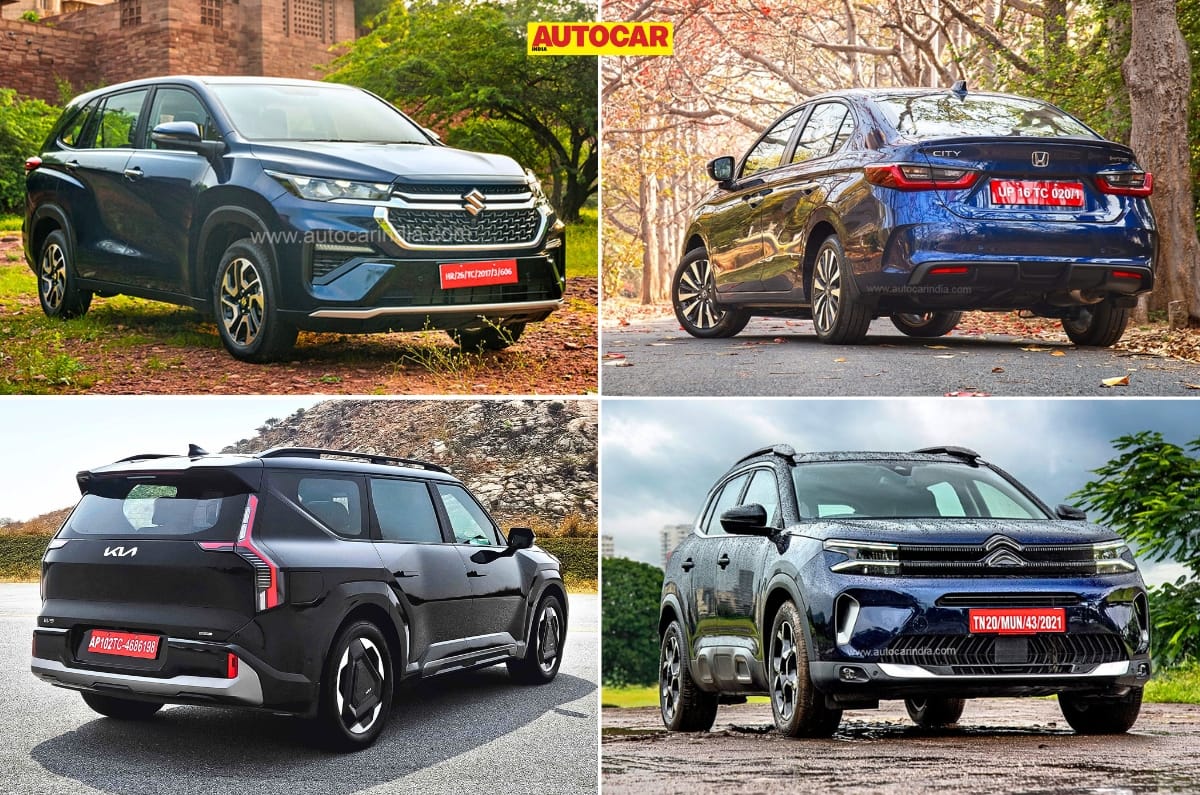
When it comes to analysing sales charts, we often zero in on the top 10 to assess which cars and brands are performing the best in the Indian mass market, and what the data can therefore tell us about consumer sentiments. However, the bottom rung of said sales charts can be just as revealing.
To that end, we’ve combed through SIAM sales data to compile a list of the lowest-selling cars from 14 mass-market manufacturers in CY2025 (January-December). These rankings comprise petrol, diesel, and EV models that are still on sale, but do note that sold-out limited-allocation cars like the Volkswagen Golf GTI and Skoda Octavia RS have not been included.
To put the following sales numbers into perspective, the top 10 bestselling cars of 2025 sold an average of nearly 1.9 lakh units.
14. Nissan
Magnite – 22,493 units
Since Nissan was a one-model company by the end of 2025 – the X-Trail was discontinued in the latter half of the year – the Magnite compact SUV simultaneously became the Japanese carmaker’s highest-selling and lowest-selling car. Still, considering compact SUVs like the Tata Punch, Maruti Brezza, and Tata Nexon sold over 1.7 lakh units each in 2025, the Magnite warrants much better sales numbers.
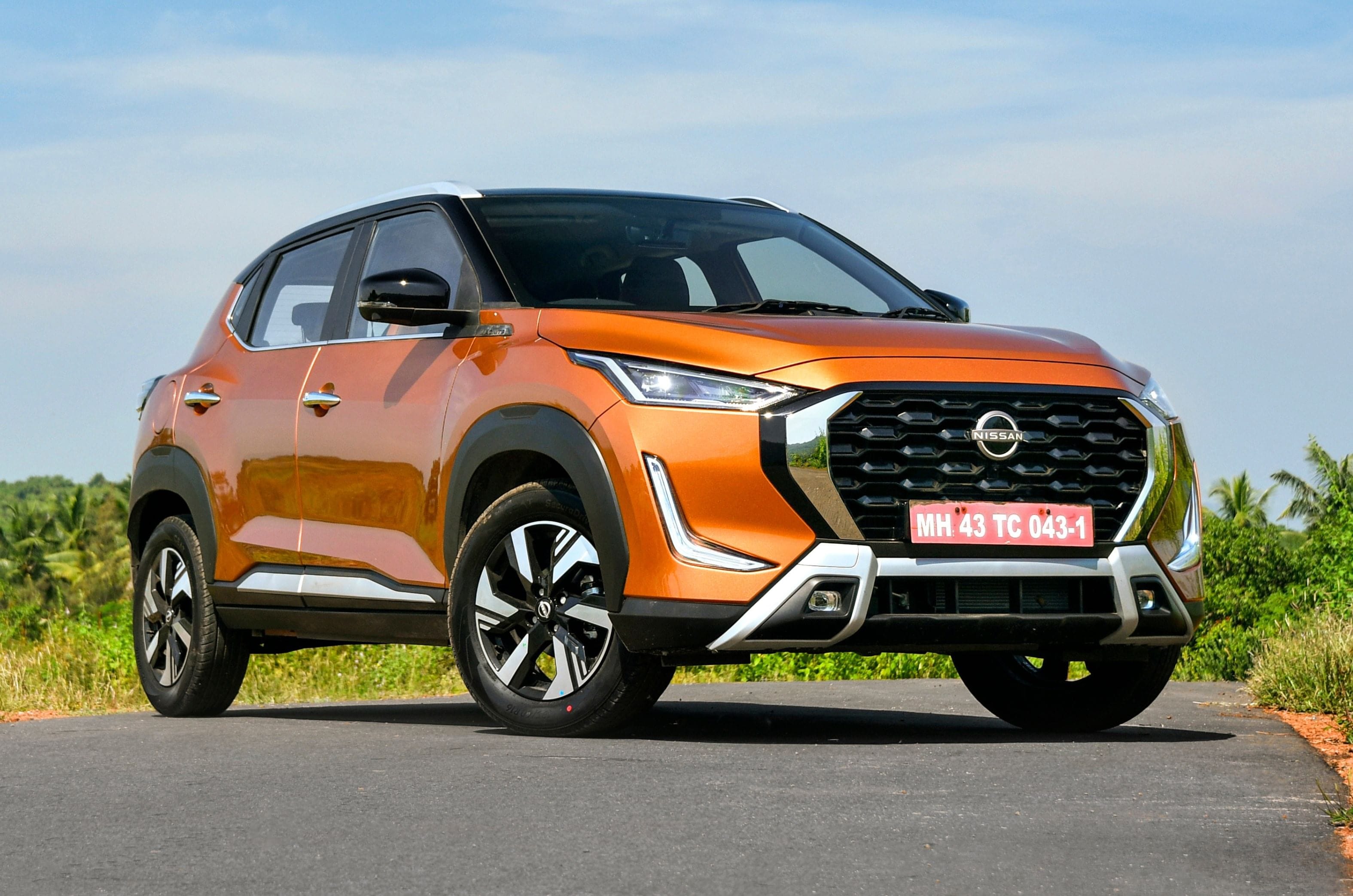
As our 2024 Magnite review points out, the compact SUV has well-built interiors, smart styling, a punchy turbo-petrol engine, and is priced very well (Rs 5.62 lakh-10.76 lakh). Thankfully, Nissan plans to improve its brand perception with new launches like the Gravite and Tekton, which will hopefully draw more attention towards the Magnite as well.
13. Tata
Tigor + Tigor EV – 12,859 units
Tata sells only two sedans at the moment, both of which ranked as the brand’s lowest-selling cars for 2025. Since Tata bundles Tigor and Tigor EV sales numbers, individual figures are hard to find, but it’s perhaps not surprising that their sales pace is much slower than the carmaker’s other models. The Tigor has been chugging along for nearly nine years, while the Tigor EV will soon enter its seventh year on sale.
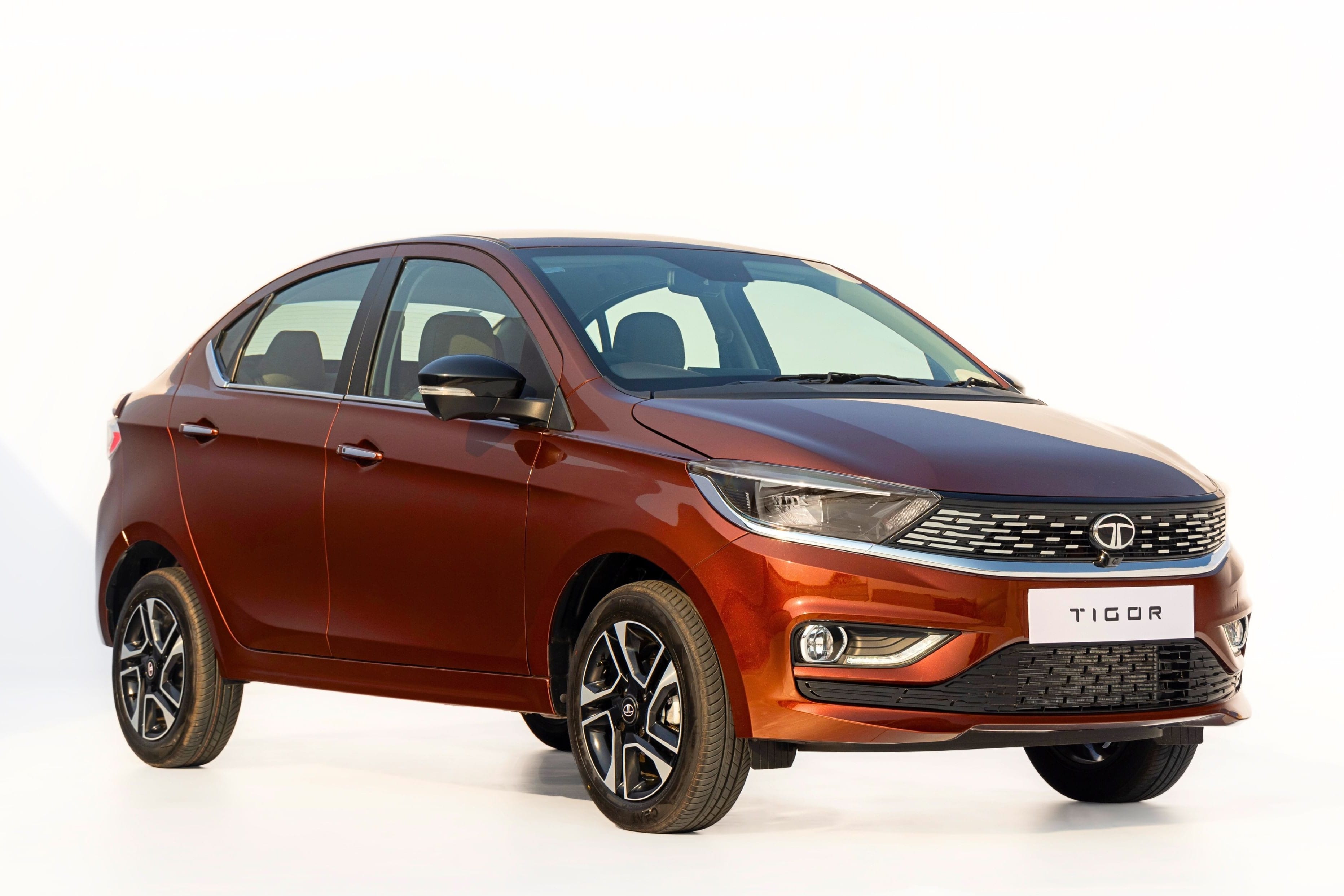
While Tata has updated its compact sedans over the years, newer rivals like the Maruti Dzire and Honda Amaze, as well as the growing shift towards SUVs – Tata itself offers the Punch and Nexon at similar price points – have likely lured a lot of buyers away from the Tigor and Tigor EV. Given that the bestselling car of 2025 was a compact sedan (the Dzire), one can only hope that Tata won’t give up on the segment, and eventually introduce next-gen versions of the Tigor duo.
12. Honda
City – 8,135 units
Once the de facto, most aspirational midsize sedan in the Indian market, the Honda City has fallen from grace in recent years owing to the proliferation of formidable rivals like the Hyundai Verna, Volkswagen Virtus, and Skoda Slavia. Not only was the City Honda’s lowest-selling model for 2025, it also ranked at the bottom of the midsize sedan sales chart last year.
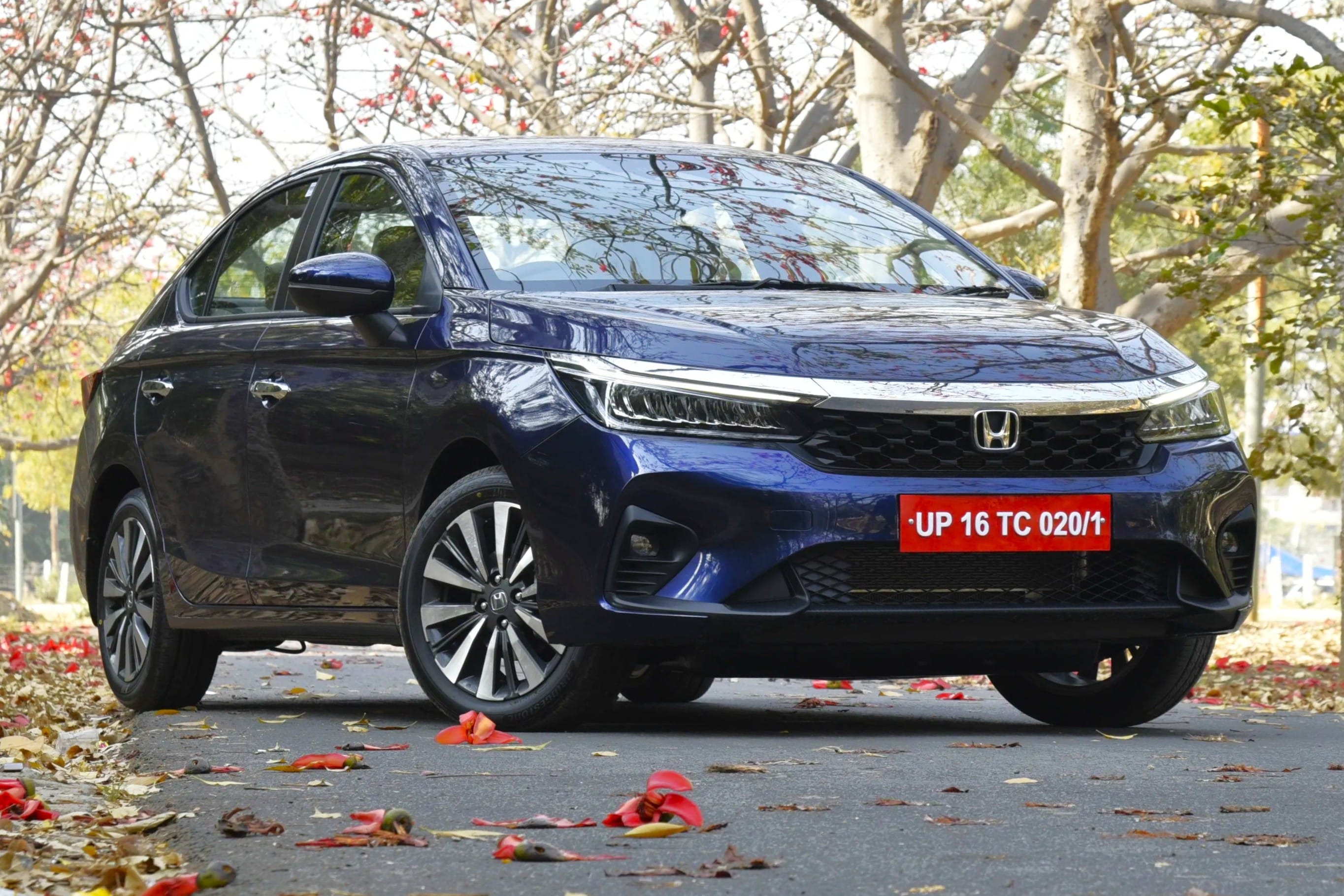
Compared to its rivals, some of the City’s most notable drawbacks are the lack of key features and a turbo-petrol engine (which many enthusiastic buyers want in this segment), as well as relatively higher NVH levels. However, the City has aspects like design and reliability in its corner, and its rev-happy i-VTEC engine is a gem too. The upcoming 2026 City facelift will hopefully rectify most of the sedan’s current shortcomings.
11. Renault
Kwid – 5,500 units
2025 marked 10 years since the Renault Kwid launched in India, making it one of the longest-running mass-market models currently on sale. Renault did launch a facelifted Kwid back in 2019, but almost three-quarters of a decade have passed since then too. In fairness, the entry-level segment experienced a slump in volumes over the past few years, which may explain why Renault didn’t focus much on the Kwid.
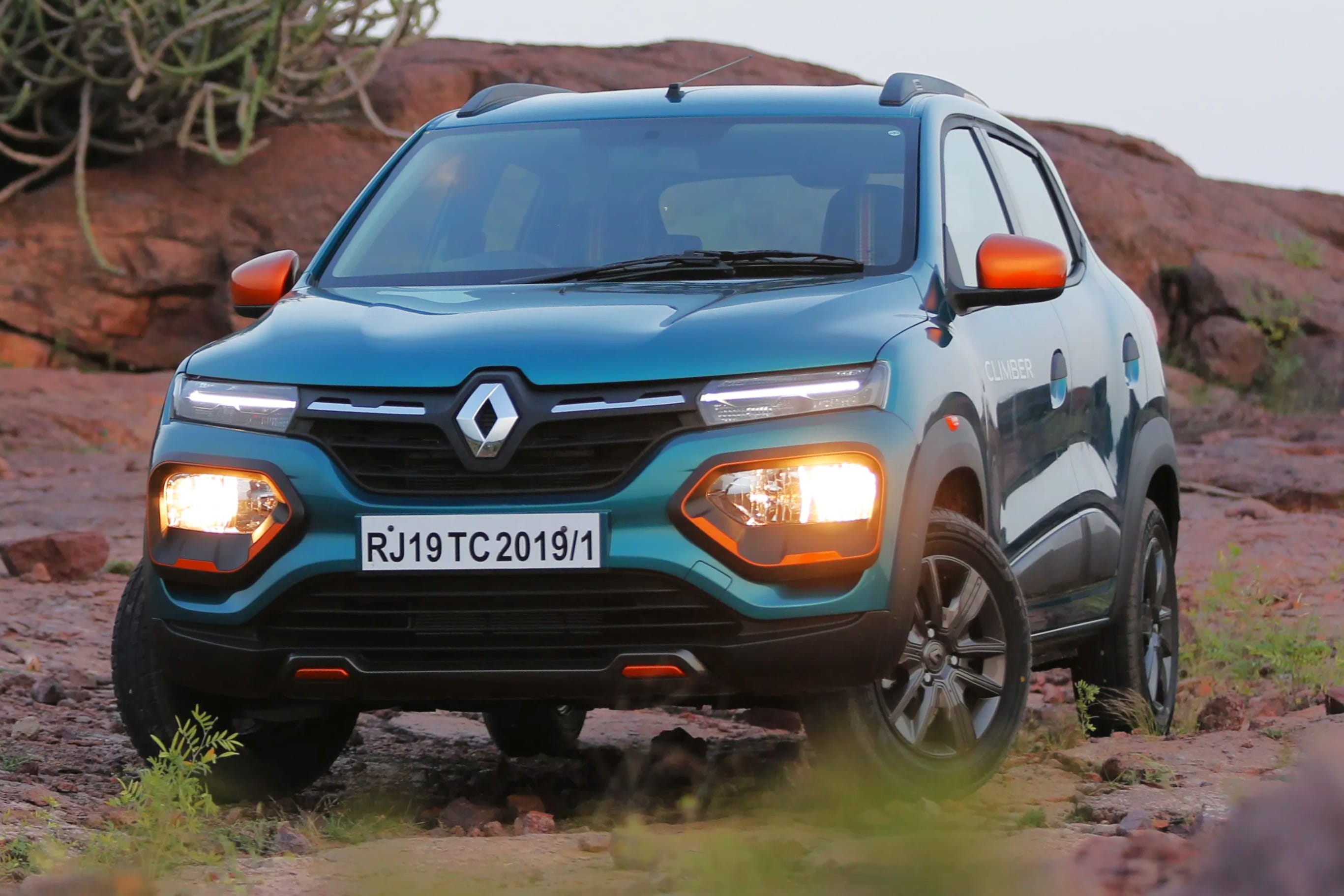
However, the 2025 GST reform reignited interest in the entry-level segment, with Maruti Suzuki reporting sales surges for the Alto K10 and S-Presso. The Kwid is expected to continue with minor updates at the moment, but one can only hope that Renault is planning a generational upgrade for the small but stylish hatchback.
10. Maruti Suzuki
Invicto – 3,946 units
Though Maruti Suzuki is India’s largest carmaker by volume, it has historically struggled to sell larger, higher-priced models here due to the brand’s ‘purveyor of affordable cars’ perception. Launched in 2023, the Invicto MPV is the most recent effort at a Maruti model that costs over Rs 20 lakh – its price starts just shy of Rs 25 lakh – but hasn’t been lighting the sales charts on fire.
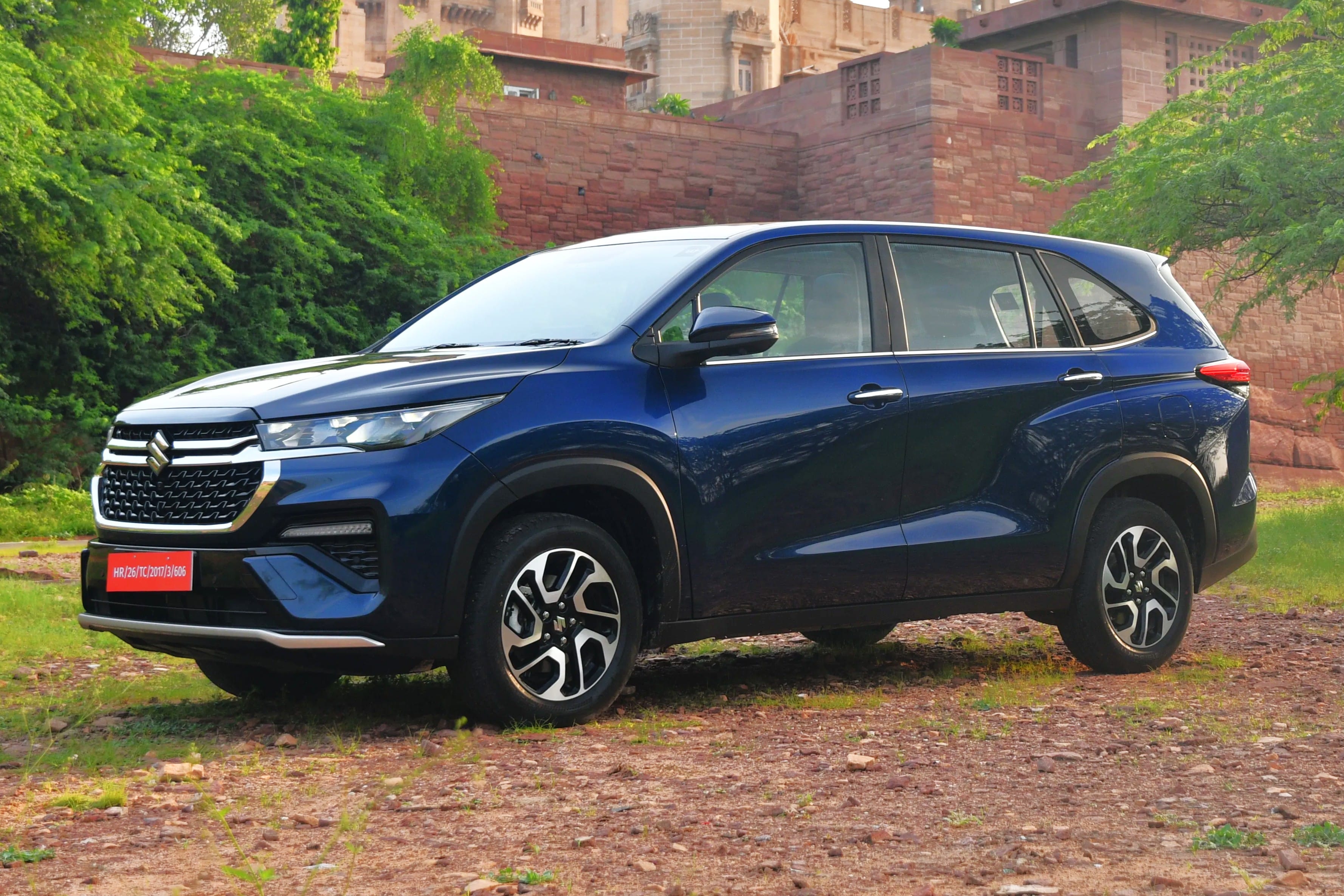
Interestingly, the Invicto’s badge-engineered sibling, the Toyota Innova Hycross, has been a major sales success. Comparing like-for-like variants, the Innova Hycross is even priced higher than the Invicto, which goes to show that brand snobbery is the primary reason behind the latter’s listless sales pace.
9. Mahindra
XUV400 – 2,823 units
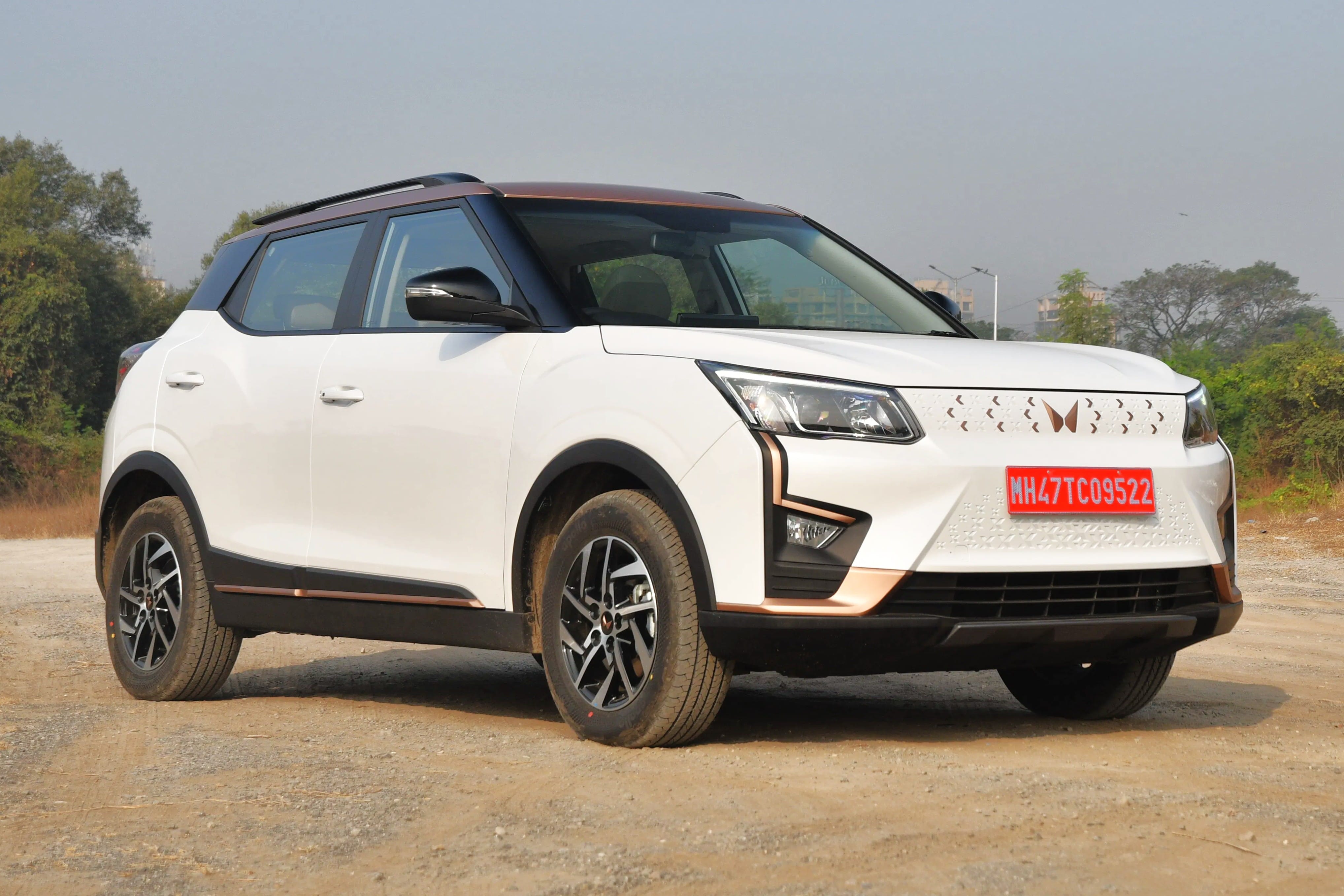
Launched in 2022, the XUV400 is Mahindra’s debut EV and was based on the XUV300, which itself is based on the same ageing platform as the Ssangyong Tivoli. Couple the datedness with strong competition from the more modern Tata Nexon EV, and it comes as no surprise that the XUV400 ranked as Mahindra’s lowest-selling model in 2025. Notably, Mahindra launched the XUV 3XO EV in early 2026, which will likely take the XUV400’s place in the near future.
8. Skoda
Kodiaq – 1,477 units
Skoda launched the second-gen Kodiaq here in April 2025 for a starting price of Rs 46.89 lakh – nearly Rs 7 lakh costlier than its predecessor – so it’s not that surprising for the three-row SUV to be the carmaker’s lowest-volume model last year.
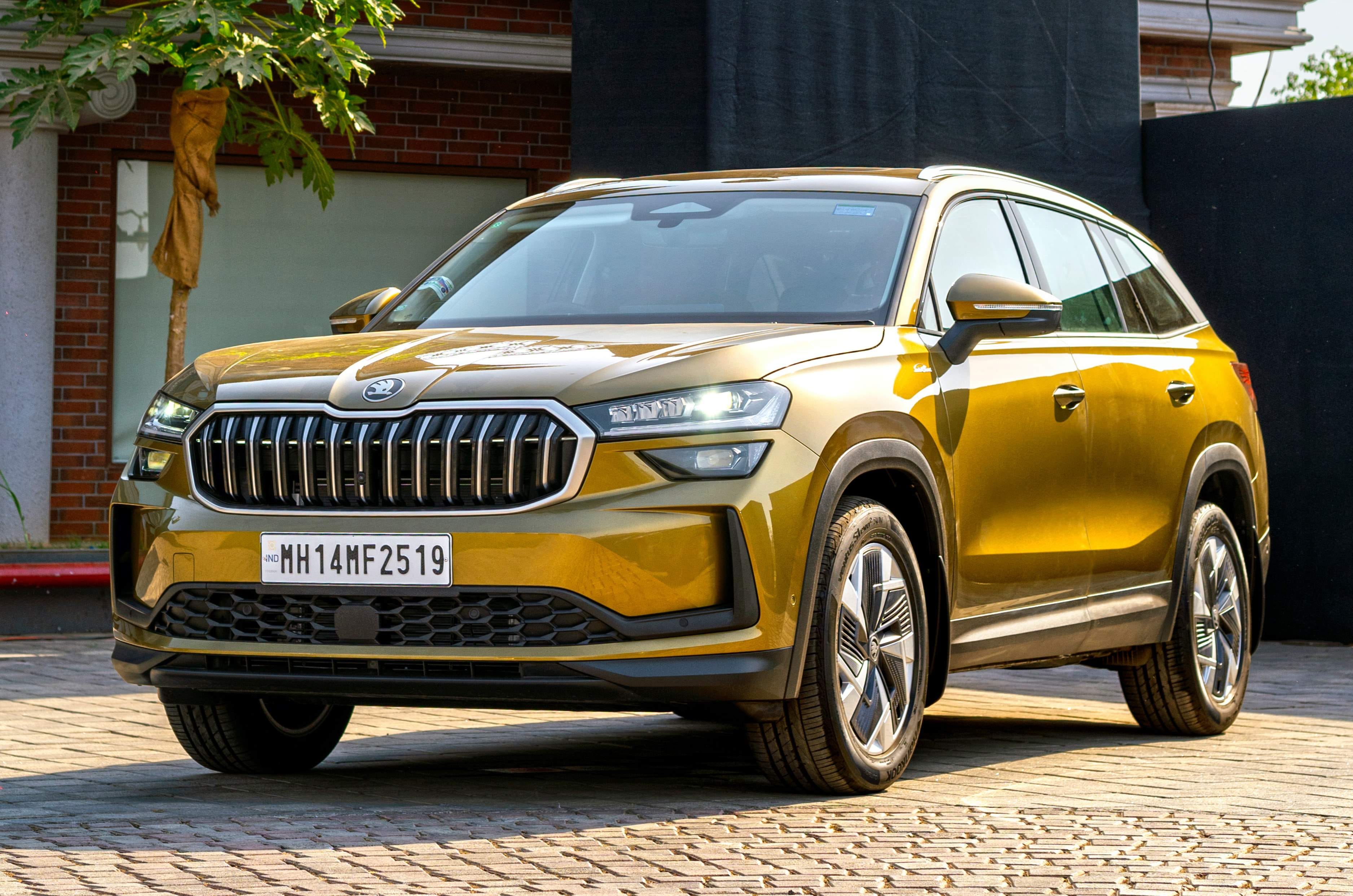
The Kodiaq undoubtedly looks smart, offers a roomy high-quality interior, comes with a bevy of features, and is powered by a peppy 204hp 2.0-litre turbo-petrol engine, but the price jump and lack of diesel and/or hybrid powertrains may have deterred some buyers. Skoda did introduce a new base Lounge 5-seater variant of the Kodiaq in September, retailing for Rs 39.99 lakh. The performance-focussed Kodiaq RS is also headed to India in 2026.
7. Toyota
Land Cruiser – 558 units
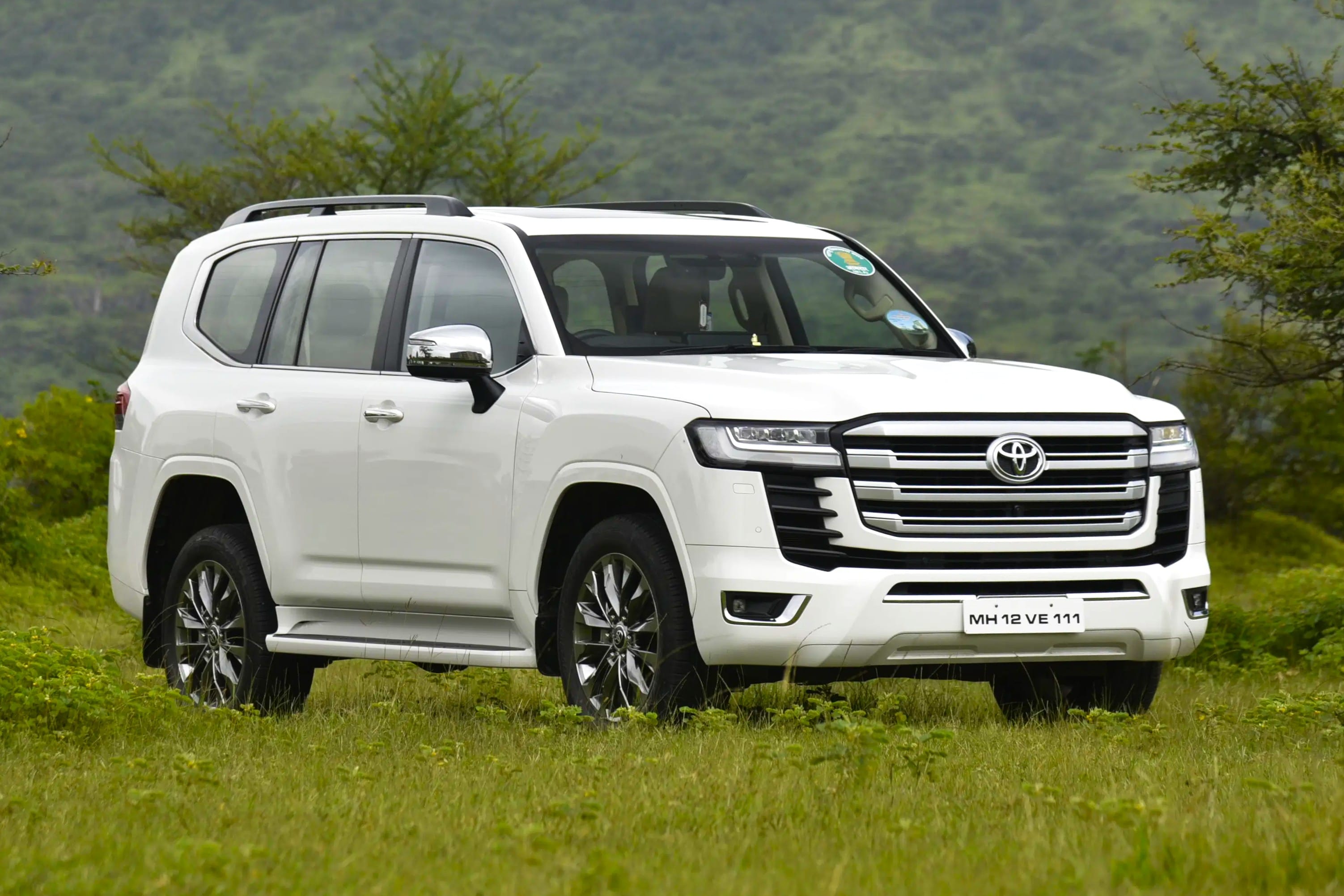
The Land Cruiser is Toyota’s flagship model in India, and the most expensive car on this list; the Land Cruiser price starts at Rs 2.16 crore. Therefore, while the Land Cruiser is fully imported and attracts over 110 percent taxation, Toyota selling 558 units of this behemoth SUV in a year is actually quite an impressive feat, even more so considering the premium brands it has to contend with at that price point.
6. MG
Gloster – 422 units
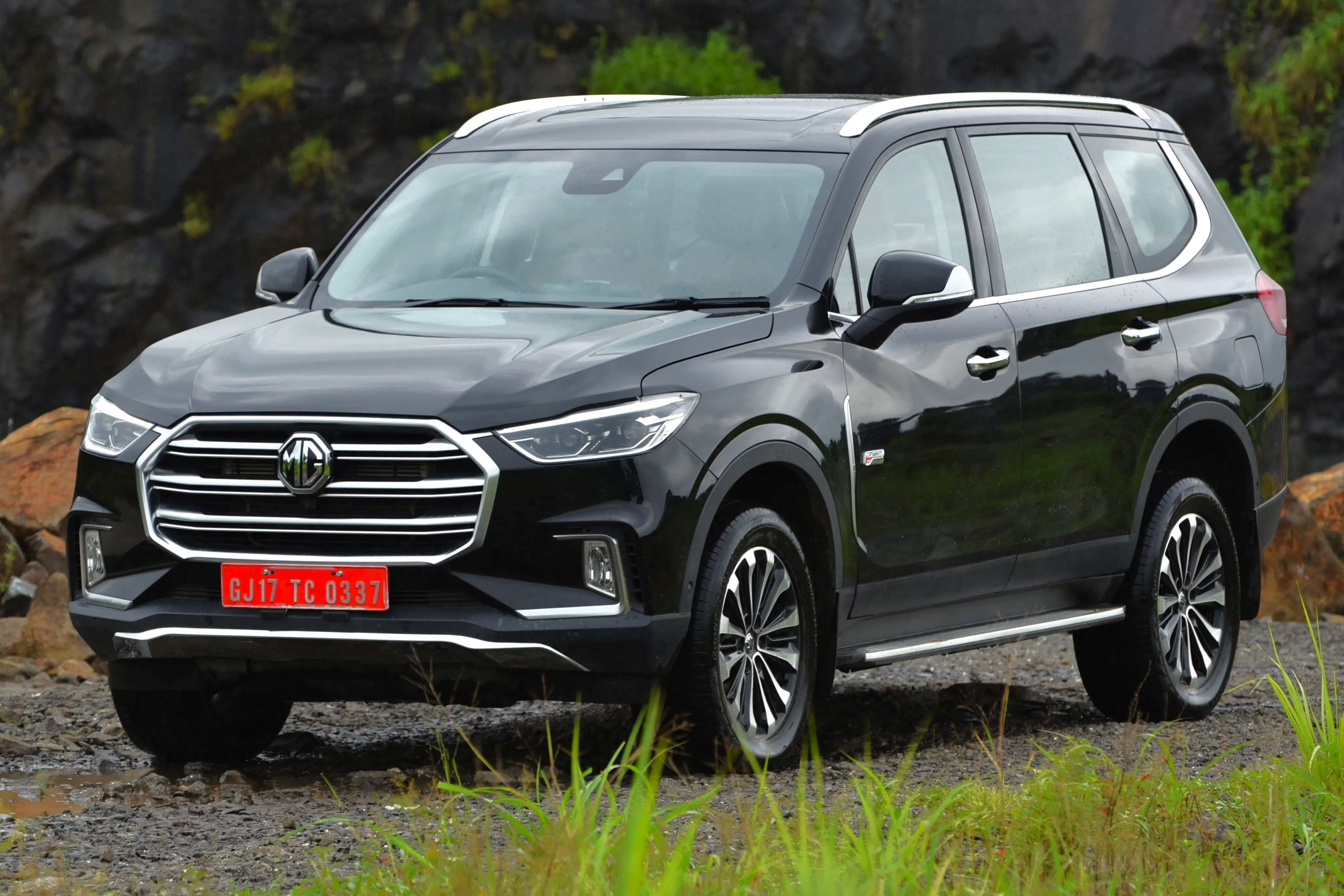
As MG’s flagship ICE-powered offering, the Gloster is a very competent SUV. It offers three rows of seating, a plethora of creature comforts, 4WD, and even a twin-turbo diesel engine. However, the Gloster rivals the Toyota Fortuner, which is simply too big of a name to take down in India. Interestingly, with over 500 units sold since July 2025, even MG’s Cyberster roadster commercially outpaced the Gloster. MG hasn’t given up, though, as it will replace the Gloster with the comprehensively updated Majestor in the coming months.
5. Volkswagen
Tiguan – 339 units
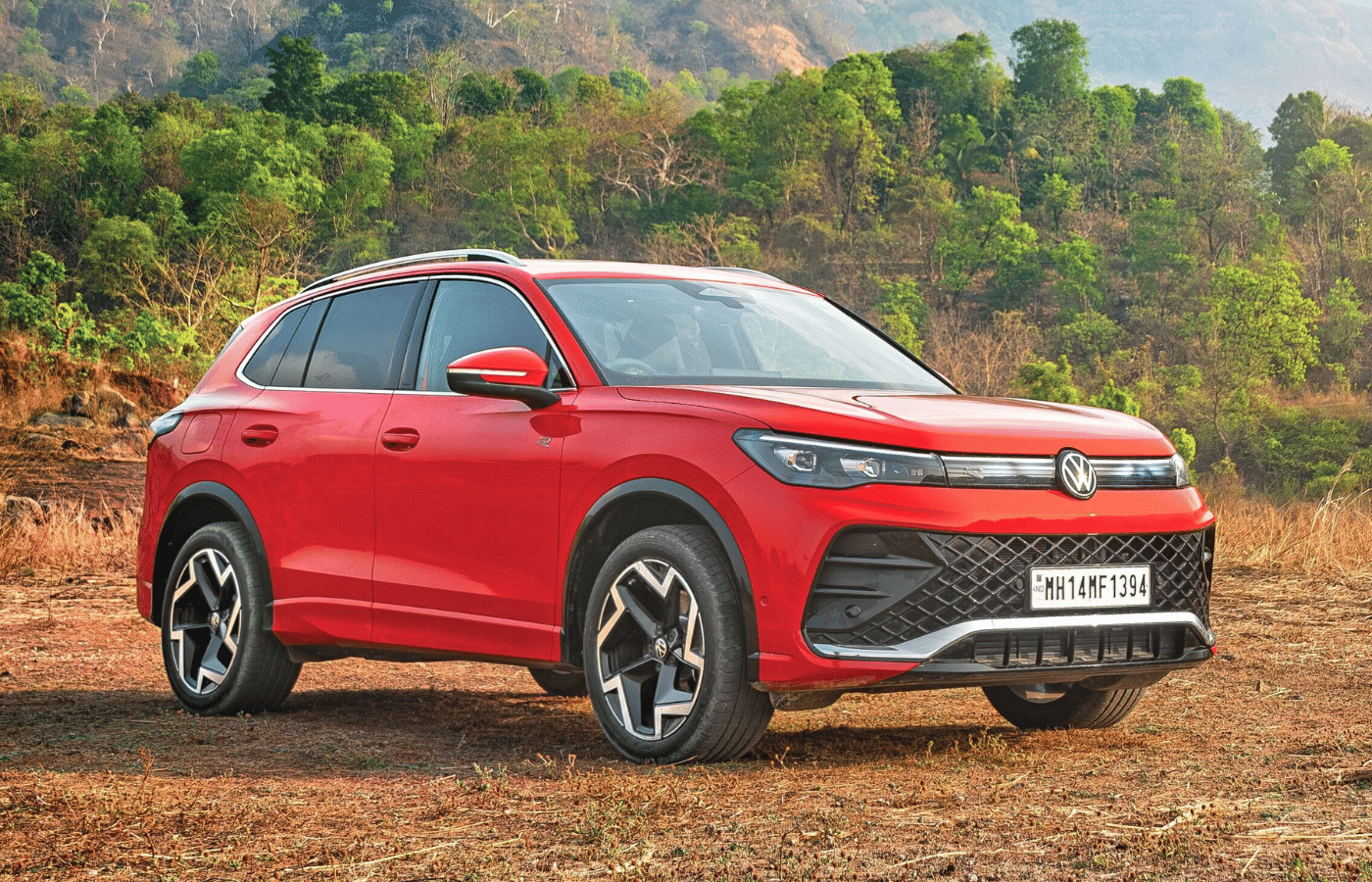
Launched in April 2025, the new Tiguan is available only in a sporty R-Line variant that gets a 204hp 2.0-litre turbo-petrol engine. As our Tiguan R-Line review notes, though, the engine lacks bottom-end punch, power delivery isn’t all that thrilling, and the exhaust note doesn’t feel very spirited. Furthermore, the Tiguan R-Line cost Rs 49 lakh at launch, and lacks key features like powered and ventilated front seats, rear sunblinds, a 360-degree camera, etc. Volkswagen even began offering the Tiguan with hefty discounts just three months after launch.
4. Hyundai
Ioniq 5 – 234 units
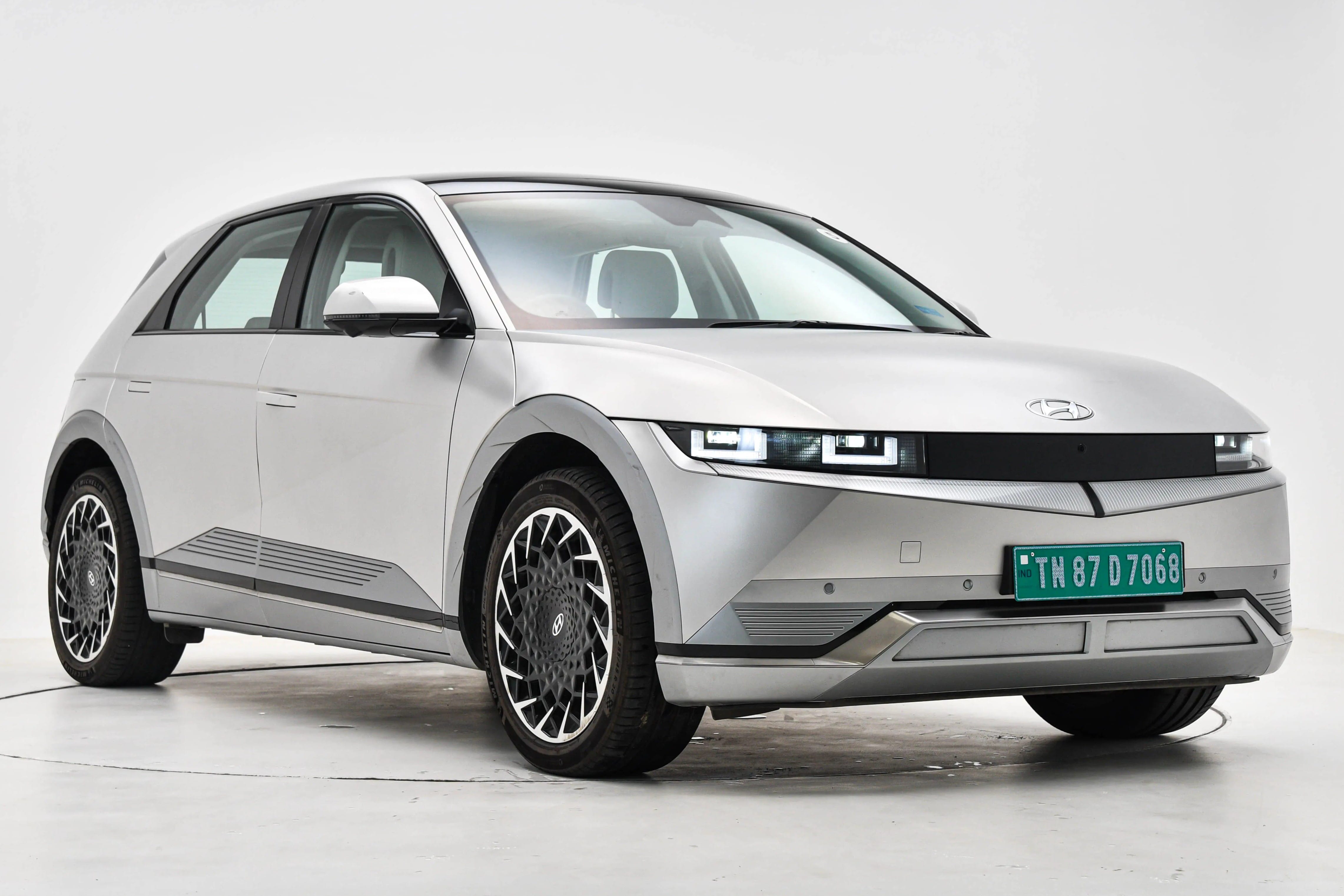
The Ioniq 5 is Hyundai’s flagship EV for the Indian market, and while it did see moderate success initially and even won Autocar India’s 2024 Car of the Year award, the sales pace was quite sluggish in 2025. This is most likely a result of growing competition in the entry-level luxury EV space, especially from premium brands like BMW, Volvo, and even Tesla, as well as the Ioniq 5 looking more like a crossover than a proper SUV. Still, pound-for-pound, the Ioniq 5 remains one of the best EVs you can buy.
3. Jeep
Grand Cherokee – 92 units
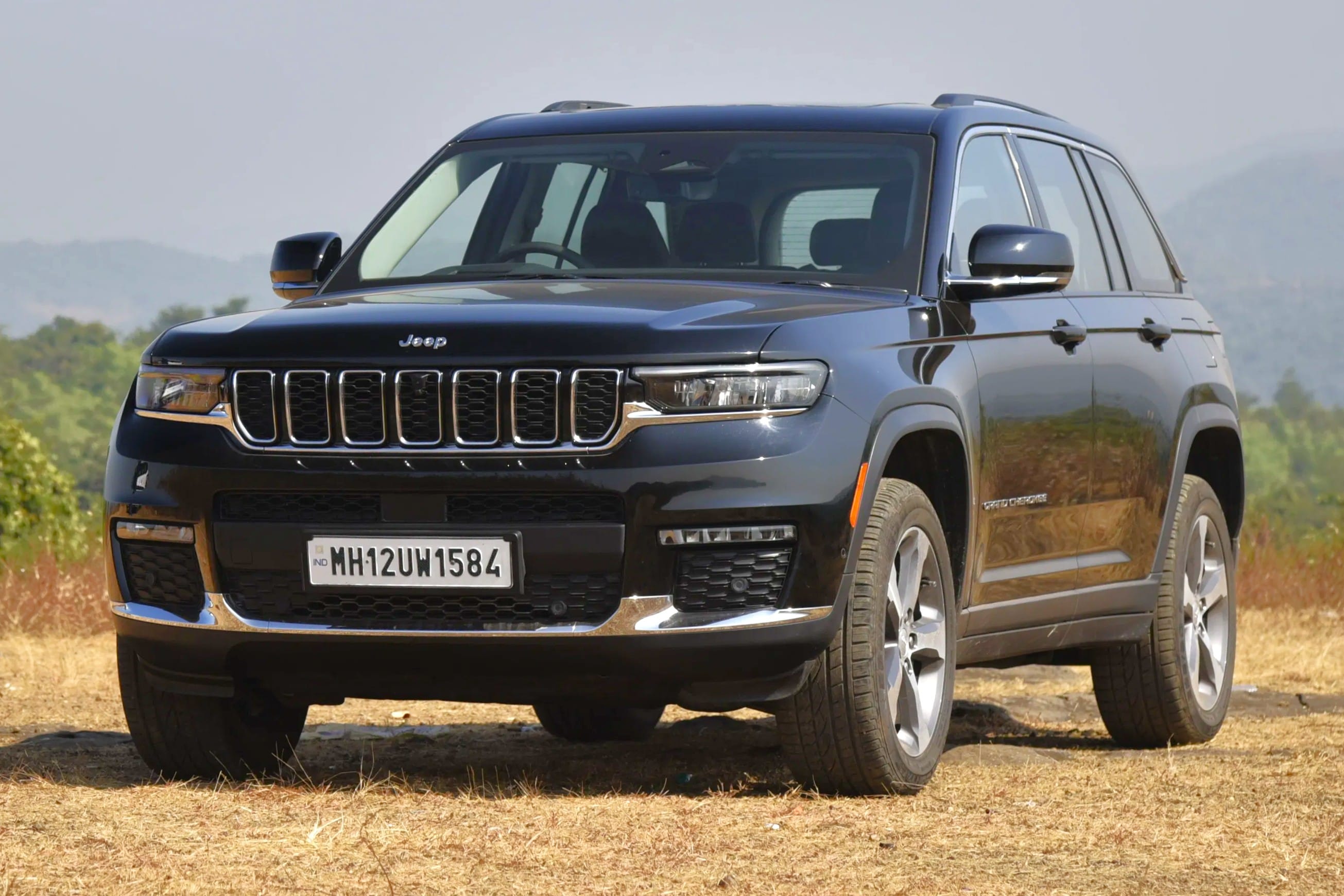
Coming to the sub-100-unit models, first up is the Jeep Grand Cherokee. At Rs 63 lakh, the Grand Cherokee is priced close to the Wrangler, but is much more comfortable on-road and is equipped with loads of features. Despite its size, though, the Grand Cherokee can seat up to five people only, and it doesn’t offer a diesel engine, which many buyers prefer for big SUVs like this. Jeep’s limited retail and service network likely turns many prospective Grand Cherokee buyers away as well.
2. Kia
EV9 – 20 units
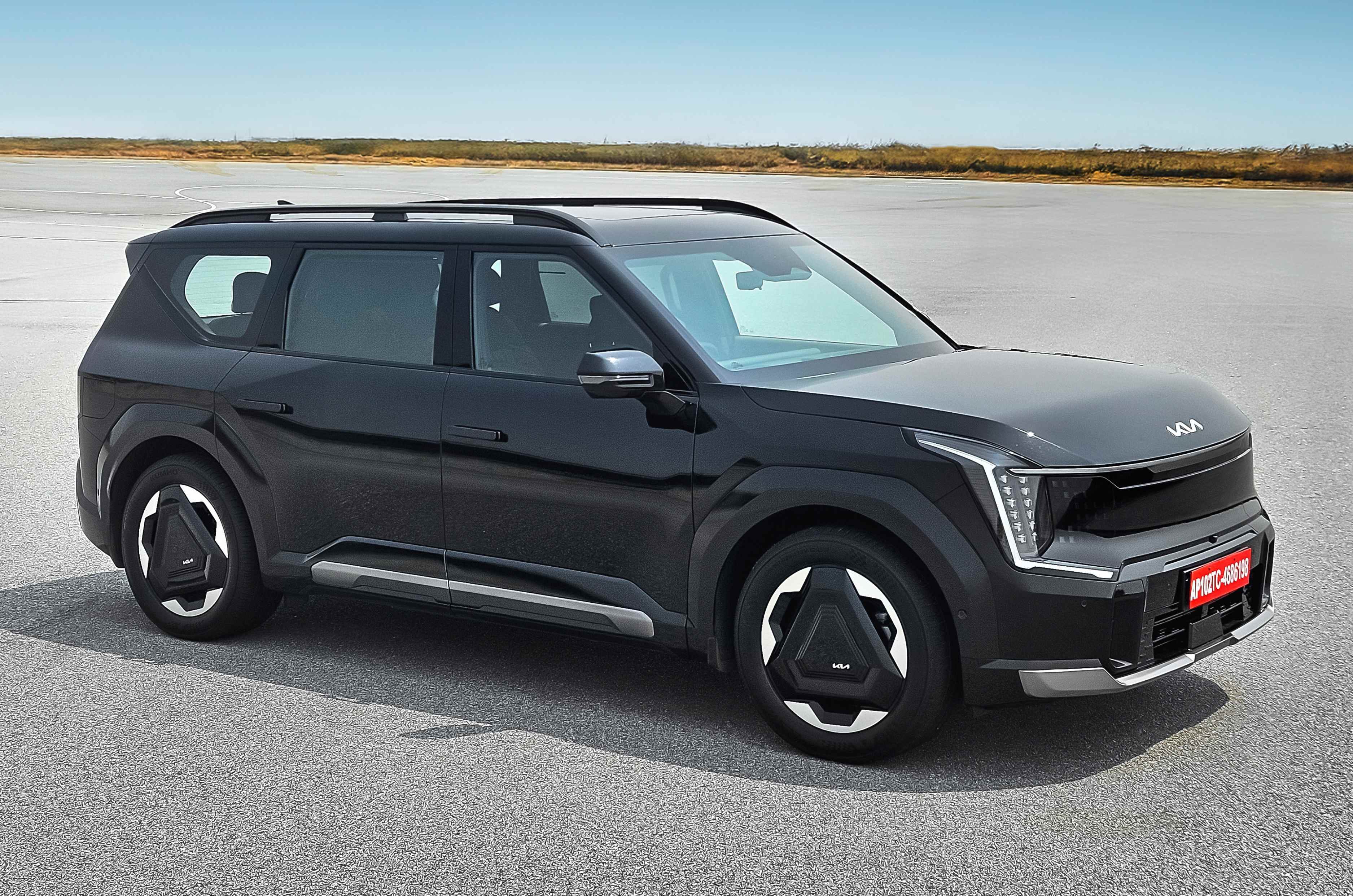
Sold as a full import at a price of Rs 1.3 crore, the Kia EV9 is a three-row electric SUV that many probably aren’t even aware is available in India. That lack of awareness, combined with the EV9 being priced extremely close to the Mercedes-Benz EQS SUV 450 – which is larger, more luxurious, and from a more prestigiously-perceived brand – is most likely the reason why Kia’s flagship model sold only 20 units throughout 2025. That said, our Kia EV9 review notes that the 6-seater SUV looks unique, comes loaded with tech, scores very high on comfort, and is surprisingly quick for its size.
1. Citroen
C5 Aircross – 5 units
Citroen India’s debut model was the C5 Aircross, but the SUV has been anything but a sales success, shifting a measly 5 units last year. The reasons behind the C5 Aircross’ glacial sales pace are its exorbitant Rs 37.32 lakh price tag – it rivals the Jeep Compass, which starts at under Rs 18 lakh – and lack of key features, such as ventilated seats and a 360-degree camera.
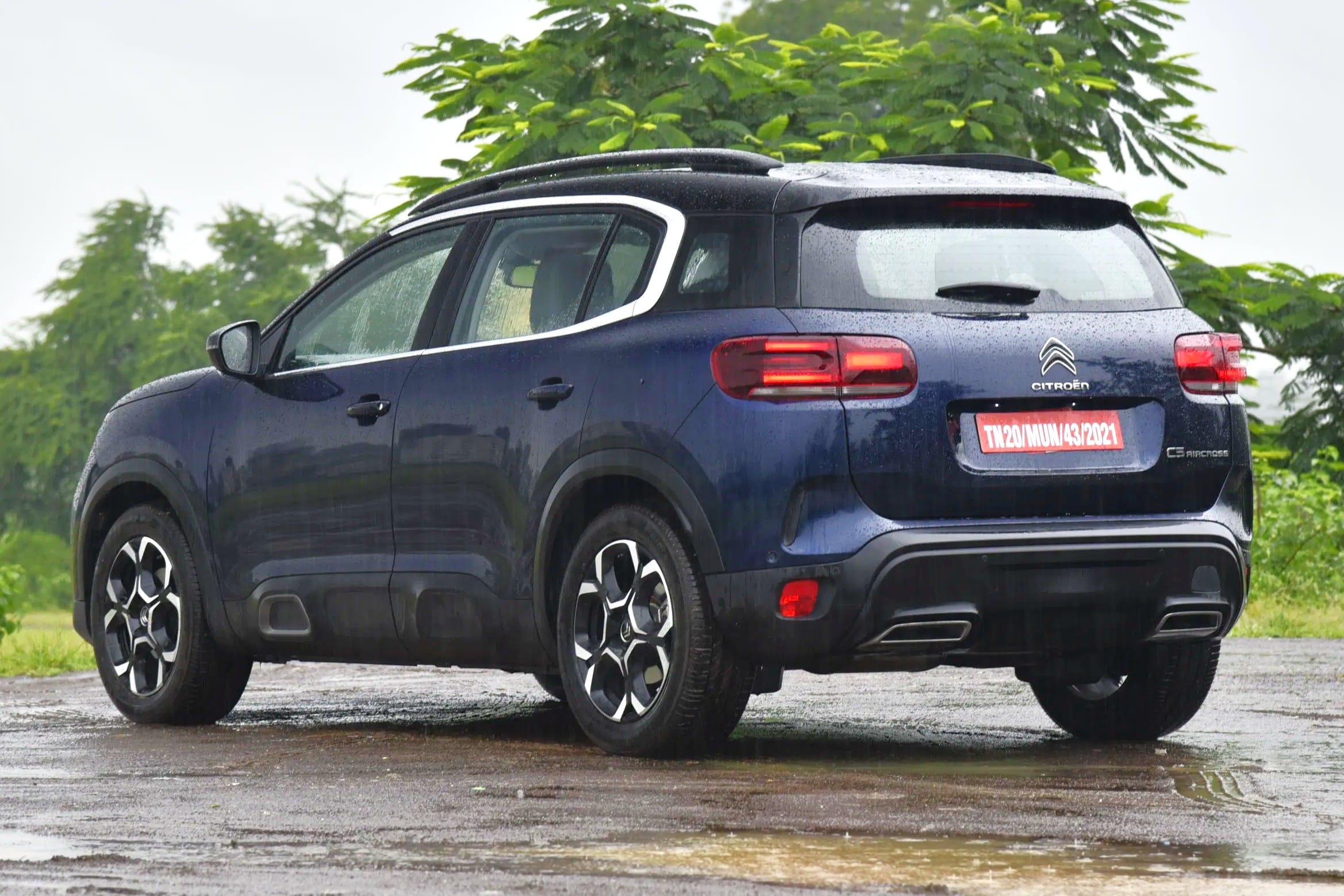
Moreover, the Citroen brand is still a fairly unknown quantity in India, so buyers likely don’t feel comfortable spending nearly Rs 40 lakh on it. Look past these issues, though, and the C5 Aircross is an undoubtedly stylish SUV with a punchy diesel engine and phenomenal ride quality.
All prices are ex-showroom, India.