


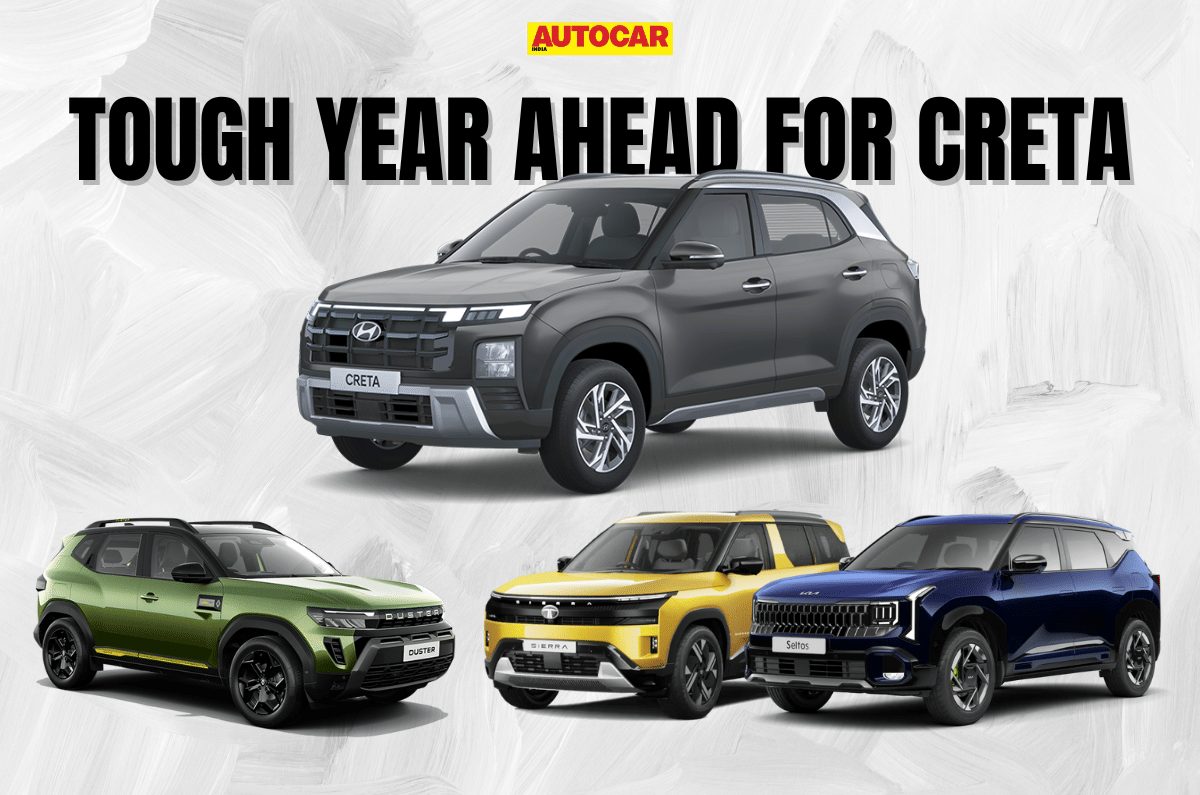
The Creta is the jewel in Hyundai’s portfolio, much like the Innova is for Toyota. In many ways, it is as big as – or even bigger than – the brand itself in India. While Hyundai sells a wide range of models, the company’s volumes have increasingly leaned on the Creta in recent years. Over 35 percent of Hyundai’s 2025 sales came from the Creta alone, with the rest spread across eight models; nine, until the Tucson was discontinued late last year. When a brand depends this heavily on one model, any pressure on the bestseller can quickly ripple through the entire business, and that is exactly what could intensify through 2026.
The Creta has seen tough rivals before. The Kia Seltos hit the ground running in 2019, and even ahead of the current facelift, competition in the segment was steadily building. But 2026 will be different. This time, the threat will come from as many as six refreshed or all new models, and the pressure is likely to stay high until early 2027, when the next generation Creta is due. Here are the key challengers lined up.
Tata Sierra
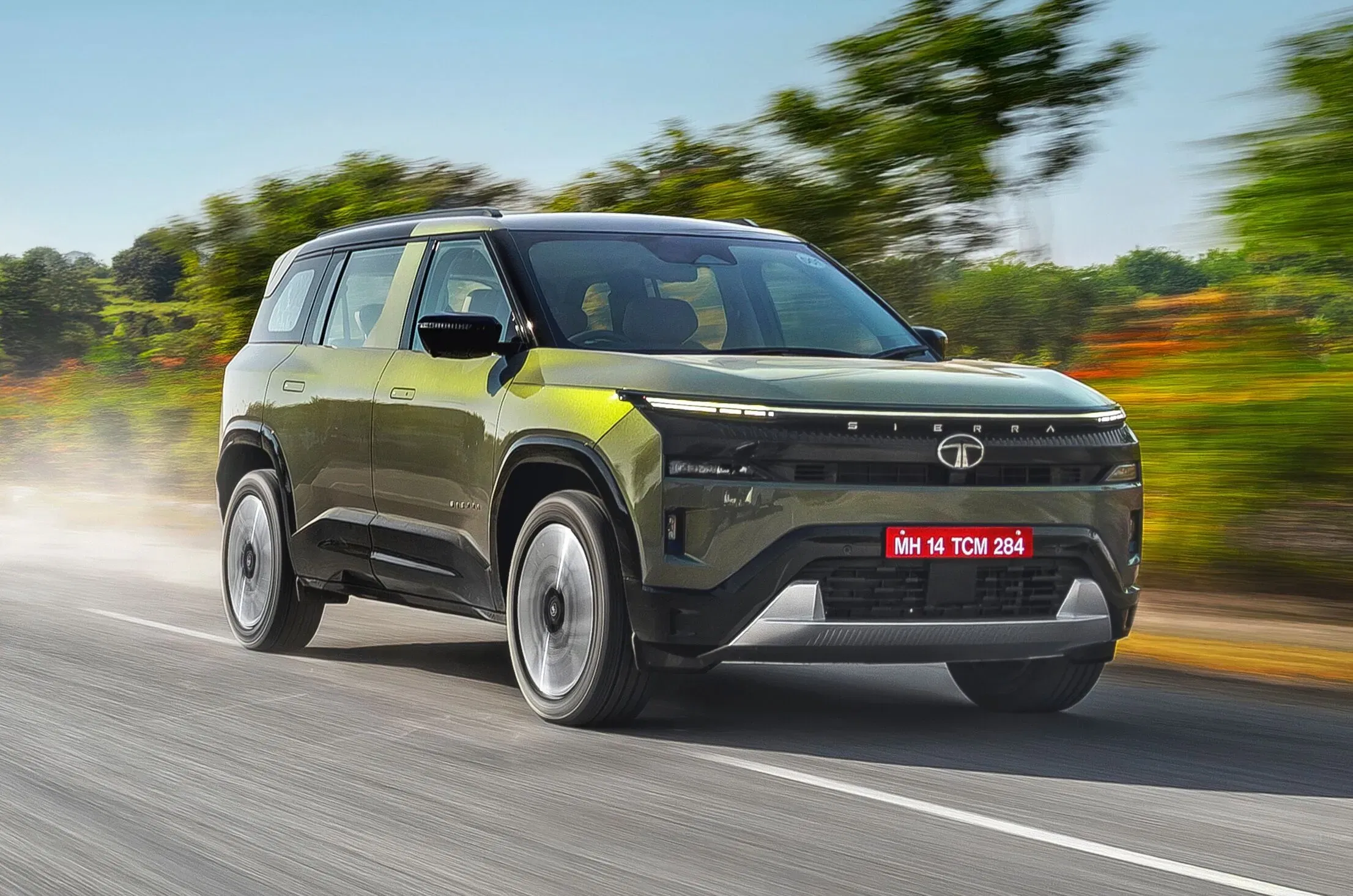
The Tata Sierra’s wave of hype and curiosity has been relentless. Tata already had the Curvv taking on the Creta, but the Sierra is different. For starters, it is a legacy nameplate that Tata has resurrected – one that buyers who grew up in the nineties connect with instantly. And Tata has gone all in with the Sierra, from its design and features to cabin space and overall practicality.
For all intents and purposes, it looks like one of the most complete Tata SUVs yet. The booking numbers speak for themselves, and demand could have been stronger if pricing was a bit more aggressive.
New Kia Seltos
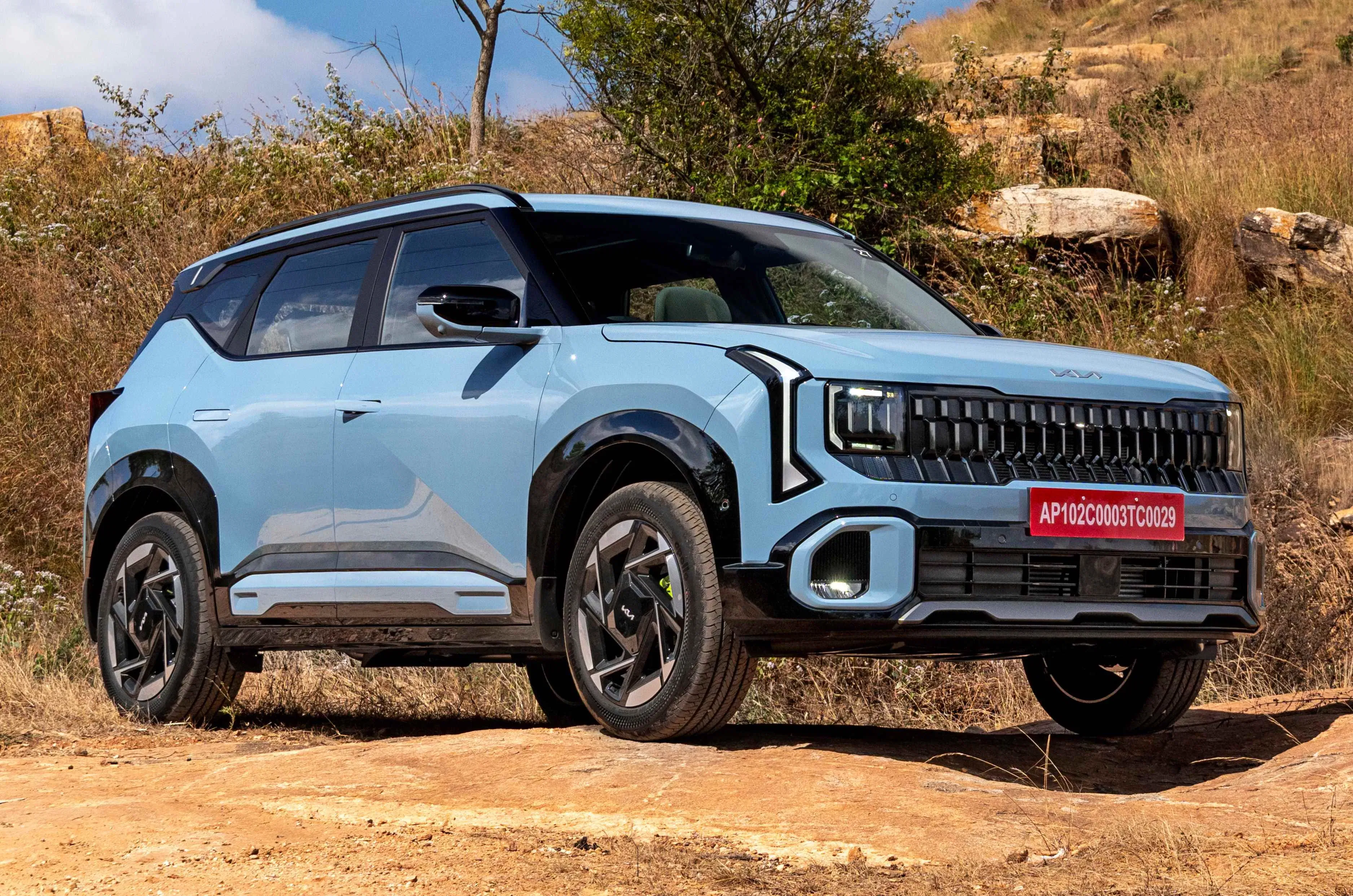
The Seltos matches the Creta feature for feature, and then goes a step further by offering a larger package – it is longer and wider, has more rear-seat space, a bigger boot, and a cabin that feels a touch more premium.
Despite all that, it does not demand a price premium. Pricing is often identical, and in some top variants, the Seltos even undercuts the Creta. Hyundai once had ride comfort as a clear differentiator, but with the newer Seltos improving its ride quality, that gap has narrowed significantly.
New Renault Duster, and its upcoming Nissan sibling
Another legacy nameplate making a comeback is the Renault Duster. It was the Duster that kickstarted the midsize SUV segment in 2012, a space the Hyundai Creta went on to dominate after its launch in 2015. The original Duster had the rugged, robust feel an SUV should, but it lacked the finesse, premiumness and overall refinement of the Creta. However, after a seven-year hiatus, the Duster is back and, going by the spec sheet and feature list, it is anything but crude.
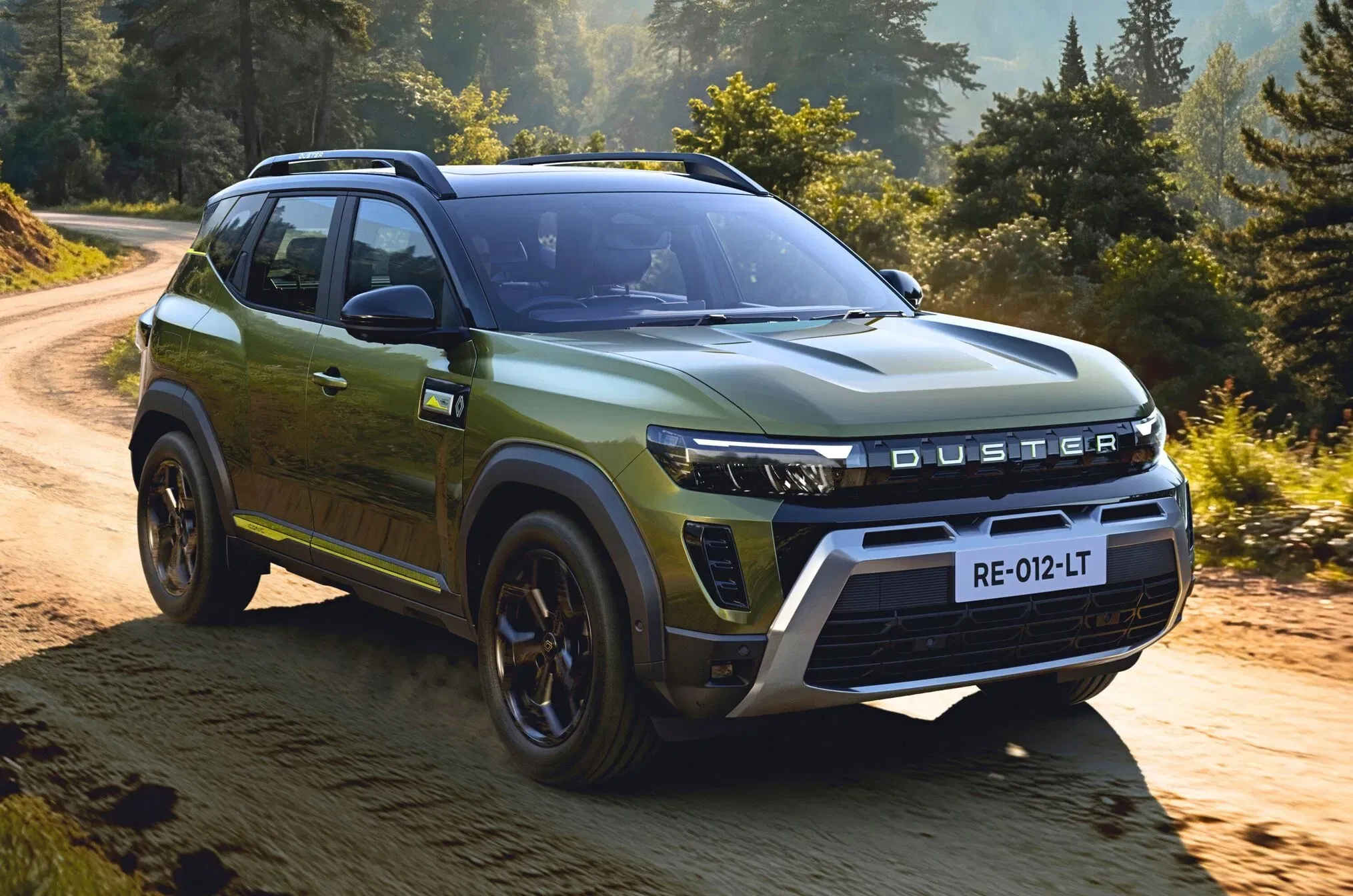
Renault is leaving no stone unturned to make the new Duster a success. It looks sharper and more sophisticated, is packed with features, and gets a well rounded powertrain line-up. The SUV will be offered with two turbo-petrol options: the entry-level engine is the familiar 1.0-litre turbo petrol from the Nissan Magnite, while the more powerful option is a 1.3-litre four cylinder turbo petrol producing 163hp, paired with a 6 speed DCT gearbox.
For buyers with higher running, Renault will also offer a 160hp strong hybrid, which should help deliver better fuel efficiency in everyday use. Expect all these powertrains and features to also be offered on the upcoming Tekton, which will essentially be Nissan’s version of the Duster. A hybrid powertrain option is currently not on offer with the Creta, although it is likely to arrive with the next-generation model due early next year.
Skoda Kushaq and Volkswagen Taigun facelifts
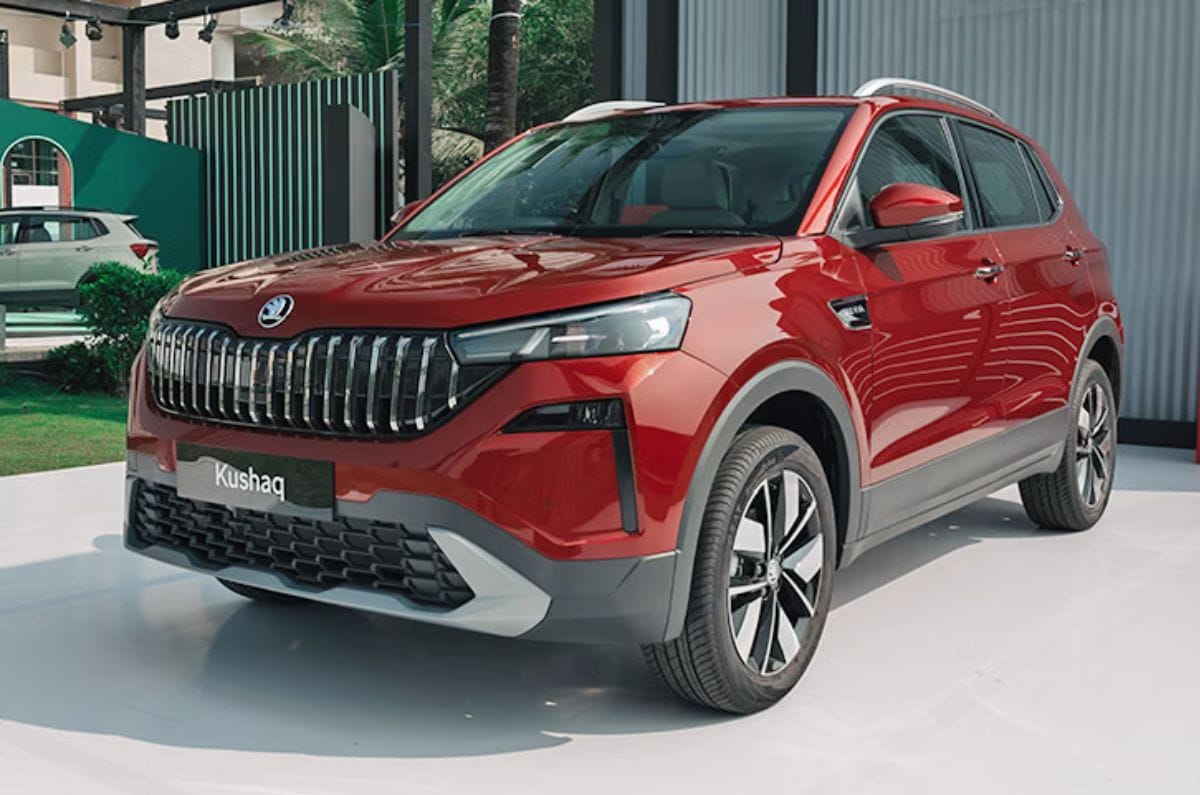
The Skoda Kushaq and the Volkswagen Taigun, in theory, should not cause a huge dent in the Creta’s sales. However, with their facelifts bringing tweaked styling, more features and improved interior quality, and with launches slated for March 2026, they do have the potential to pull some buyers away from the Creta.
The Creta has weathered competition before and stayed on top, but the difference this time is the scale of what is coming. It may still lead the segment, but 2026 is set to test Hyundai’s playbook like never before.