


Several carmakers have announced a price hike from January 2026, citing higher input and logistics costs and weaker currency positions. The revision follows the rollout of GST 2.0 in September 2025, which lowered taxes for a wide range of vehicles, resulting in a drop in their ex-showroom prices.
The upcoming increases are in the 2-3 percent range, so the GST benefit remains larger overall, though the gap narrows depending on model and import content.
Here is how prices are affected brand-wise.
Mercedes-Benz
Mercedes-Benz will increase ex-showroom prices by up to 2 percent across its line-up from January 1, 2026. The brand points to higher input and logistics costs and an unfavourable euro-rupee exchange rate.
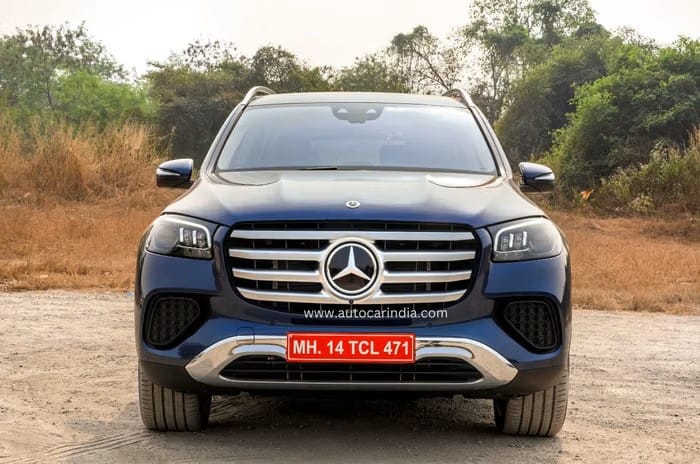
The GLS is expected to see a rise of around Rs 3 lakh-4 lakh, while the C-Class would go up by around Rs 1.18 lakh-1.29 lakh. Even after these hikes, the benefit of a lower GST stays. The GLS, for instance, would still be about Rs 5 lakh-6 lakh more affordable than it was before the price cuts in September.
BMW
BMW already revised prices in September 2025 and is expected to follow with another 2-3 percent increase in January 2026. CBUs are likely to see the higher end of the revision.
For reference, the 3 Series is expected to go up by around Rs 1.21 lakh and the 5 Series by roughly Rs 1.45 lakh. Prices of the core models had dropped by Rs 3.5 lakh-10 lakh following the GST 2.0 rollout; even after the upcoming hike, they would remain lower than before the tax reforms.
MG
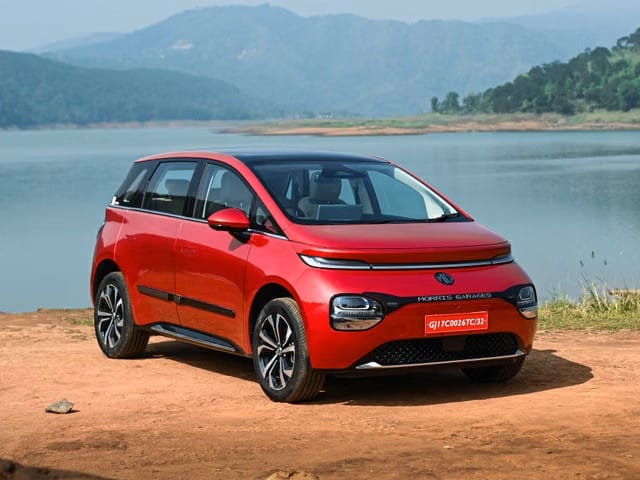
MG’s revision varies across the range. The Windsor is expected to see a price increase of Rs 30,000 to Rs 37,000, taking its ex-showroom prices to Rs 14.27 lakh-18.76 lakh. The Comet’s prices are likely to go up by Rs 10,000-20,000 to Rs 7.64 lakh-10.19 lakh.
Interestingly, the Hector’s facelift has brought its base price down by around Rs 2 lakh compared to the outgoing version.
Nissan
Nissan is set to raise prices by up to 3 percent from January 2026. The announcement comes ahead of the introduction of the Gravite compact MPV, which is expected in showrooms by March 2026.
The Magnite’s prices will increase by roughly Rs 17,000-32,000, depending on the variant. The SUV had become up to Rs 95,000 more affordable after the GST 2.0 rollout, so the net difference remains positive for buyers in 2026.
Renault
Renault’s Kwid and Kiger are expected to see price increases of around Rs 8,000-21,000, depending on the variant. The Triber, which got a facelift recently, is expected to have its base price increased by roughly Rs 12,000.
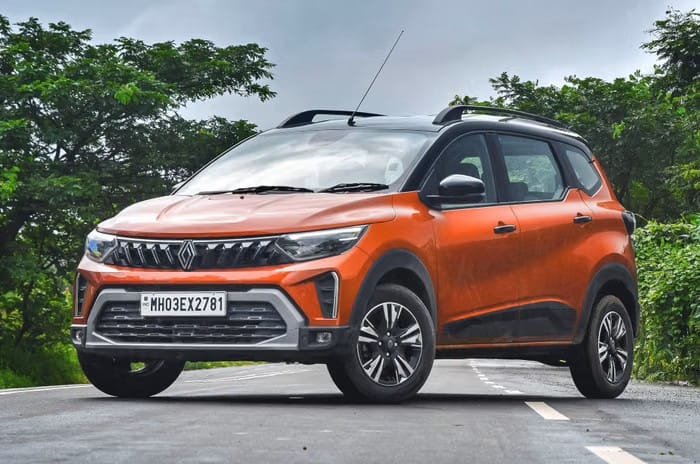
These models had previously seen GST cuts of Rs 40,000 to Rs 96,000, meaning the benefit continues to outweigh the hike.
What this means for buyers
Prices will stay below the pre-GST 2.0 levels, even after the January 2026 hike.
The January 2026 price increases do not wipe out the gains resulting from lower GST, but the overall savings would be smaller than they were in late 2025. Models with higher import content, particularly luxury SUVs and CBUs, see the greatest upward price movement, although the post-GST baseline keeps prices below pre-cut levels.
Also see:
All carmakers who have announced a price hike for 2026
How to import classic cars in India: all questions answered