


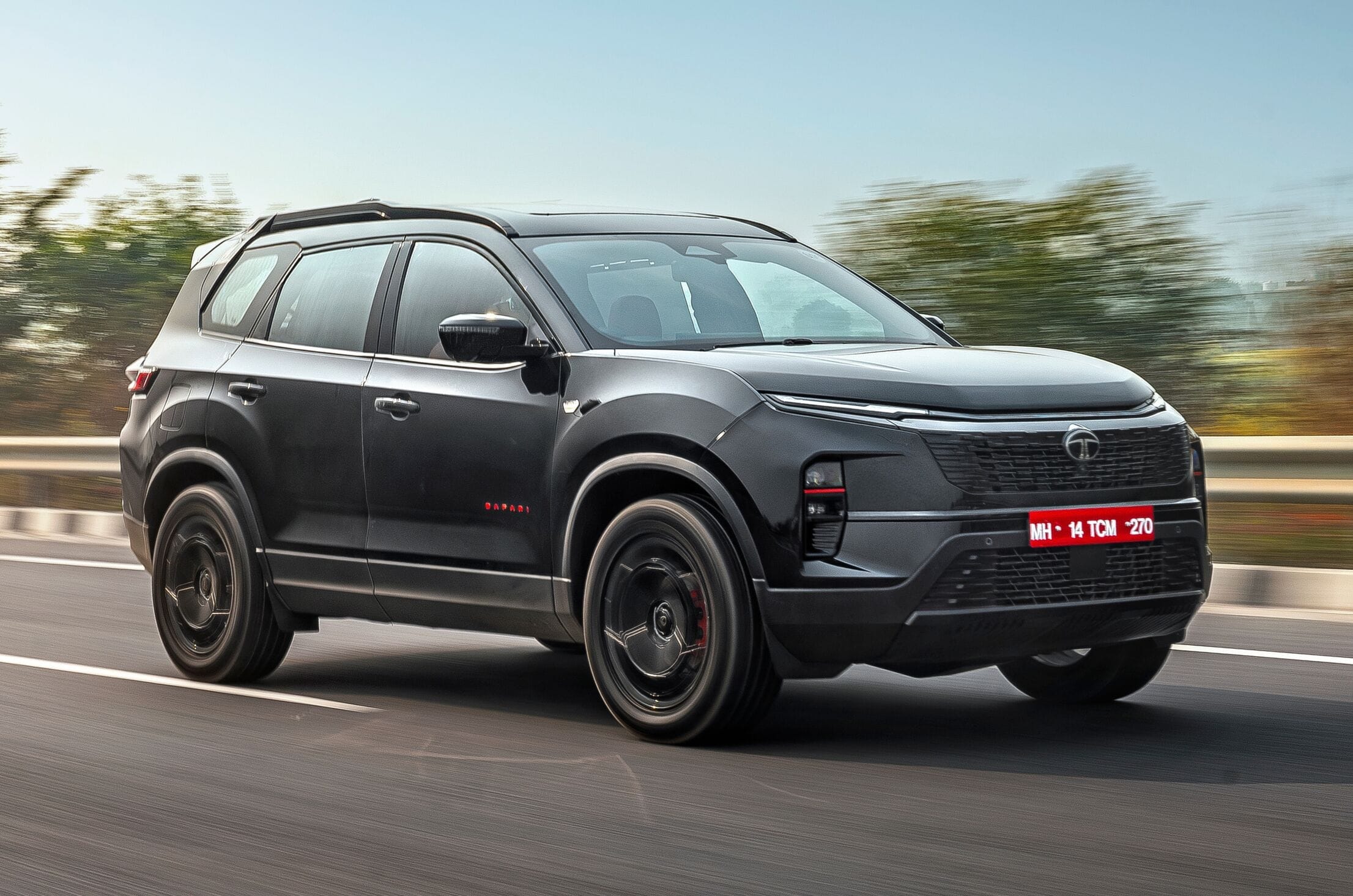
Tata Motors has revealed nearly all details of the turbo-petrol-powered Safari, including the output figures and variants. This engine is available across the existing Safari line-up, and a new petrol-only top-spec Accomplished Ultra trim has also been introduced. While prices are still awaited, we have reviewed the SUV’s new petrol version to find out if it is a good package. Here’s a detailed account of three positives and two negatives we observed during our time with Tata’s flagship combustion-powered SUV. Let’s start with the positives.
A refined engine with strong performance
Offers a good low-end punch and linear acceleration
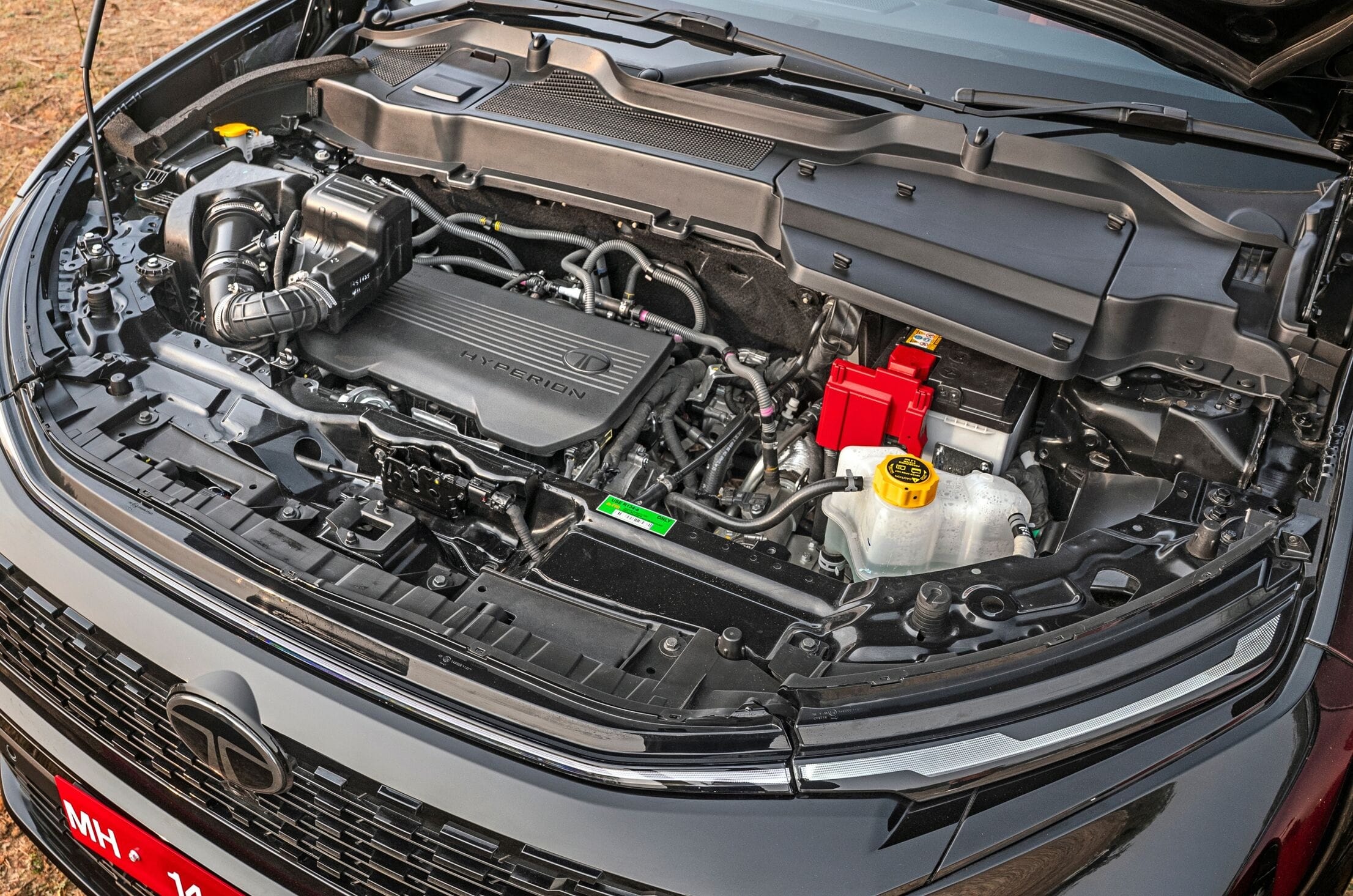
The Safari uses the same 1.5-litre turbo-petrol engine as the recently launched Sierra, but in the Safari, it has been tuned to produce 10hp and 25Nm more, taking the output figures to 170hp and 280Nm. While the engine revs only to 5,000rpm, a healthy 160Nm torque is available from just 1,000rpm. This allows the 3-row SUV to have a strong bottom-end grunt that helps it pick up pace quickly. But it misses out on the mid-range and top-end punch associated with other turbo-petrol engines.
Performance is not lacking, and acceleration is linear, even with six people on board. Throttle response is good, although a better differentiation between the driving modes would have been likeable. The engine feels refined but is audible for a petrol unit. However, there are barely any vibrations across the rev range, which is appreciated.
6-speed automatic gearbox enables smooth shifts
Unlike the Sierra, which offers only a torque-converter automatic with the Hyperion engine, the Safari is also available with a 6-speed manual option. However, our pick would still be the 6-speed automatic, mainly because the gear ratios are well synchronised with the engine, which ensures that the SUV is always in the optimal power band. Gear shifts are smooth, and paddleshifters are offered for manual controls. However, if the paddleshifters are engaged, the Safari takes longer than warranted to go back to automatic mode.
Good ride quality and highway manners
Offers a ride quality that enables superb long-distance cruising
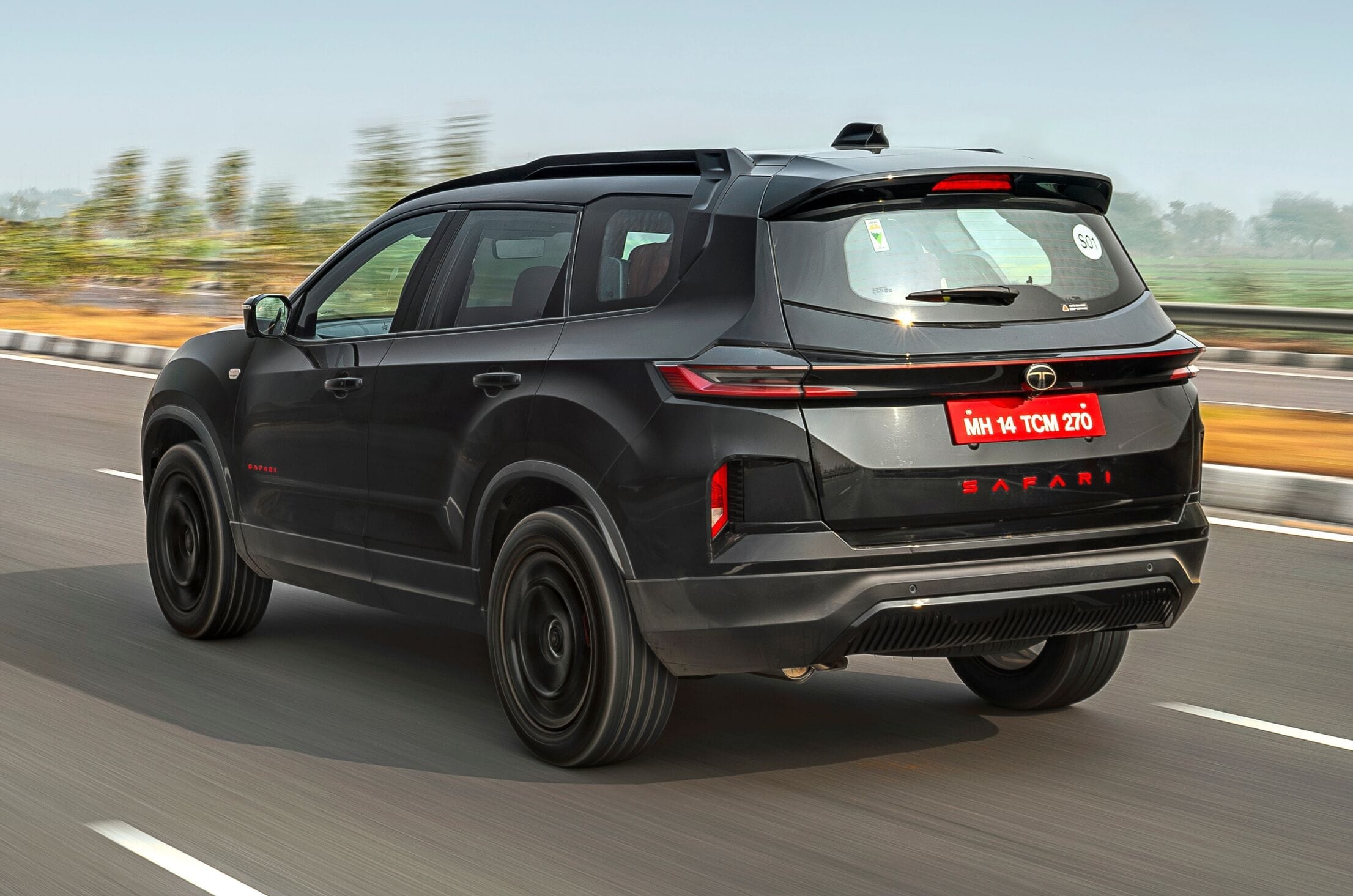
The Safari has always been an adept handler, and the petrol version is the same. The 245-section tyres ensure that it has enough grip to stick to the road, and on highways, the 3-row SUV holds its line confidently through high-speed curves despite its size. Body movements are also well-contained, making the Safari a good long-distance cruiser.
At slow speeds, the firmness of the Land Rover platform is felt, which is slightly amplified by the 19-inch wheels, but it is not uncomfortable in any regard. An 80kg lower kerb weight than the diesel version should theoretically enable the Safari petrol to feel more agile on twisties and sharp bends. However, our limited time with the SUV did not allow us to test this in real-life conditions.
Steering wheel is well-calibrated for low and high speeds
The steering wheel has also been calibrated well for all driving conditions. It is light at city speeds and weighs up as speed increases, providing confidence while making high-speed lane changes.
Offers more features than the diesel-powered Safari
Petrol version gets a new top trim with exclusive features
Being the flagship Tata combustion-engine SUV, the Safari has always been feature-rich. However, the petrol version takes it up a notch with an exclusive Accomplished Ultra trim, also available in the Red Dark edition, which borrows features from the Harrier EV.
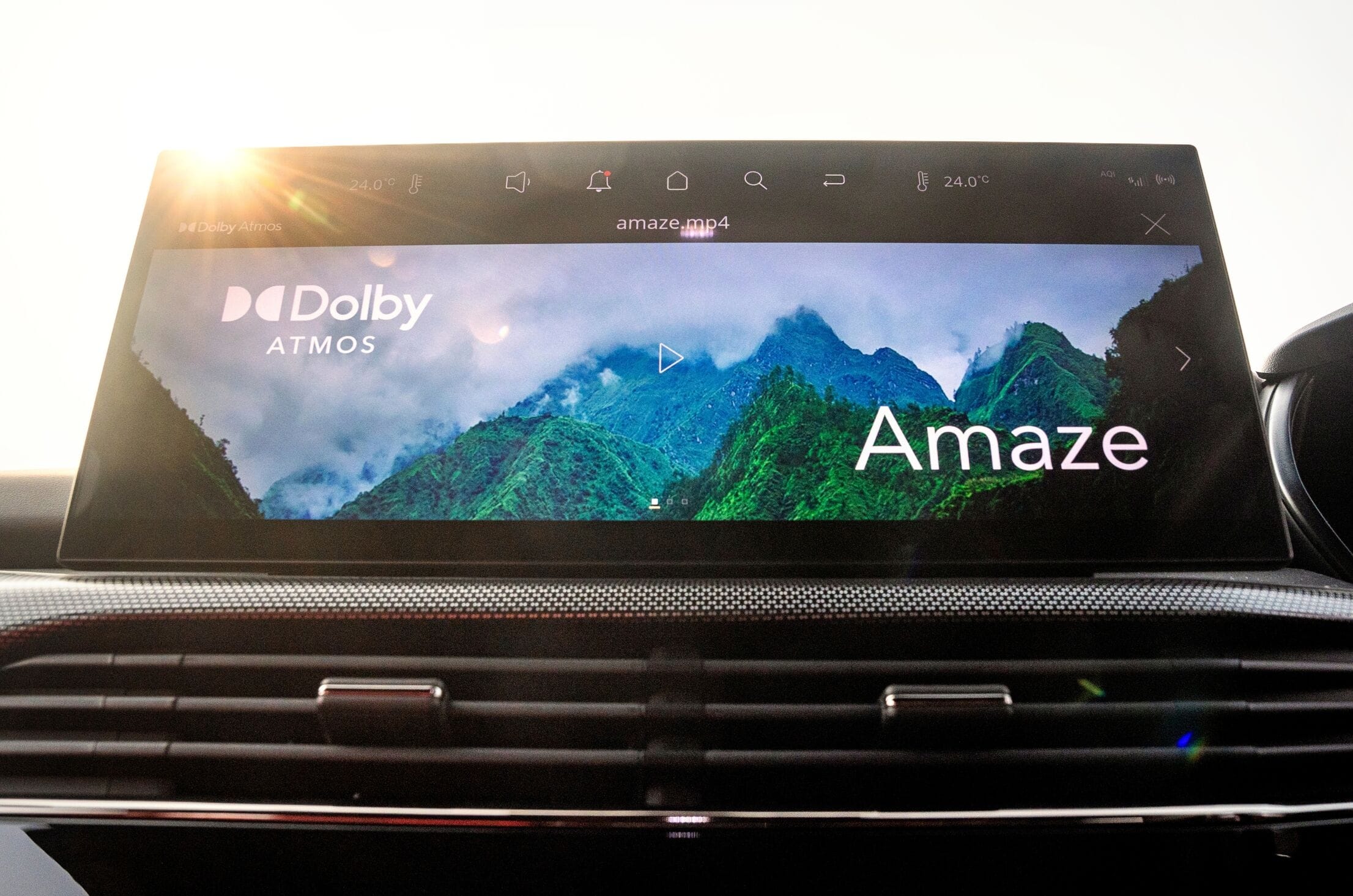
New features include a bigger 14.5-inch Samsung QLED infotainment system with Tata’s Arcade App suite, a Dolby Atmos surround sound system paired with the existing 10-speaker JBL system, a digital inside rearview mirror (IRVM) with a built-in dashcam, and front and rear camera washers. The memory function on the driver’s seat is now synchronised with the outside rearview mirrors (ORVMs), similar to what we have seen in the new Seltos. Notably, none of these features is currently available on the diesel-powered Safari.
Now, let’s delve into areas where the Safari petrol underwhelms.
Ergonomic issues continue
Poorly designed centre console; inconsistent fit and finish
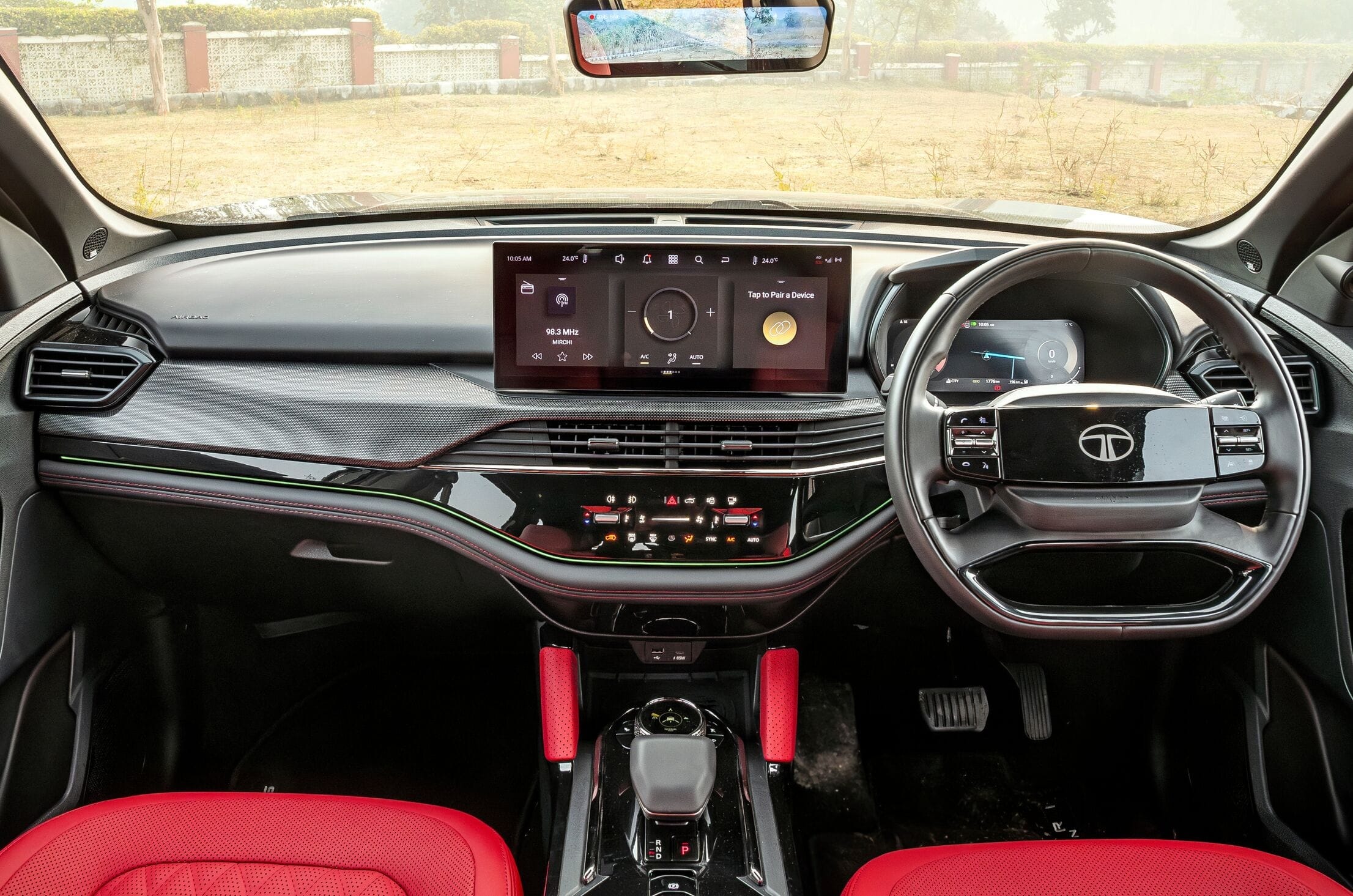
Even though it offers many comfort and convenience features, the petrol-powered Safari continues to have ergonomic issues that have plagued the SUV. One of these is the placement of the wireless phone charger on the centre console, which is hard to reach, mainly due to the protruding rotary terrain selector behind it. The centre console also makes constant contact with the driver’s knee, especially on rougher sections of road. The cabin also has inconsistencies in the fit and finish department.
The 10.25-inch driver’s display has been set too far into the dashboard, making it hard to decipher the smaller fonts. The touch-based climate control panel is also not the most intuitive to use on the move.
Exterior design is similar to the diesel version
Red Dark edition for petrol version is the only differentiator
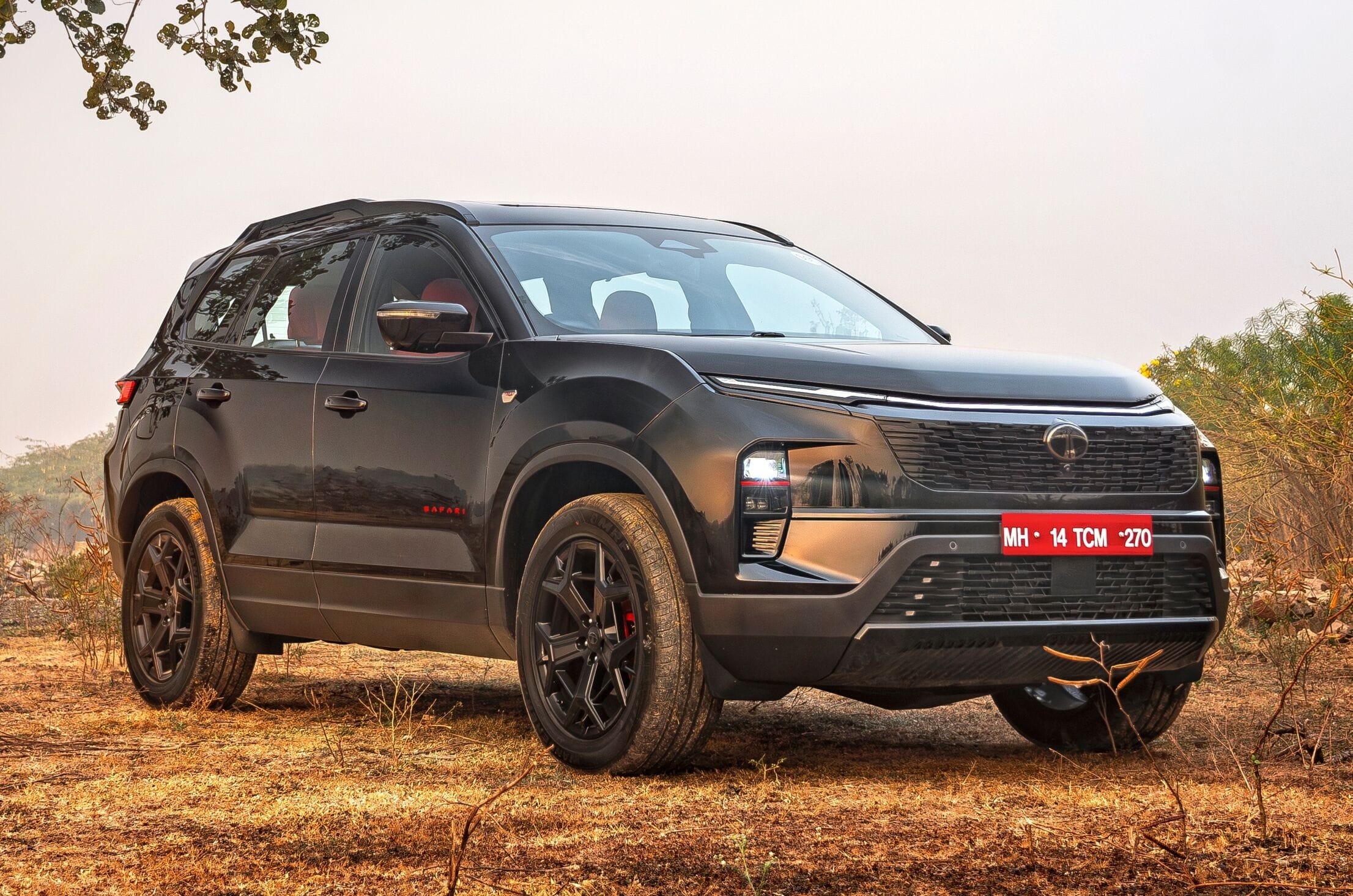
The last major design update for the Safari came with the facelift for its second-gen model in October 2023, and over two years later, it still draws attention, mainly due to its imposing stance. The new petrol version has the same design, which still looks relatively fresh but is not distinguished from the diesel in any manner.
The only differentiator is the Red Dark edition exclusive to the petrol-powered version; it gets red badges outside, a Red Dark badge on the front fenders, red brake callipers, a red theme on the seat upholstery and red ambient lighting. However, all the lower variants with the turbo-petrol engine look the same as the diesel ones, with not even a badge to tell them apart.