


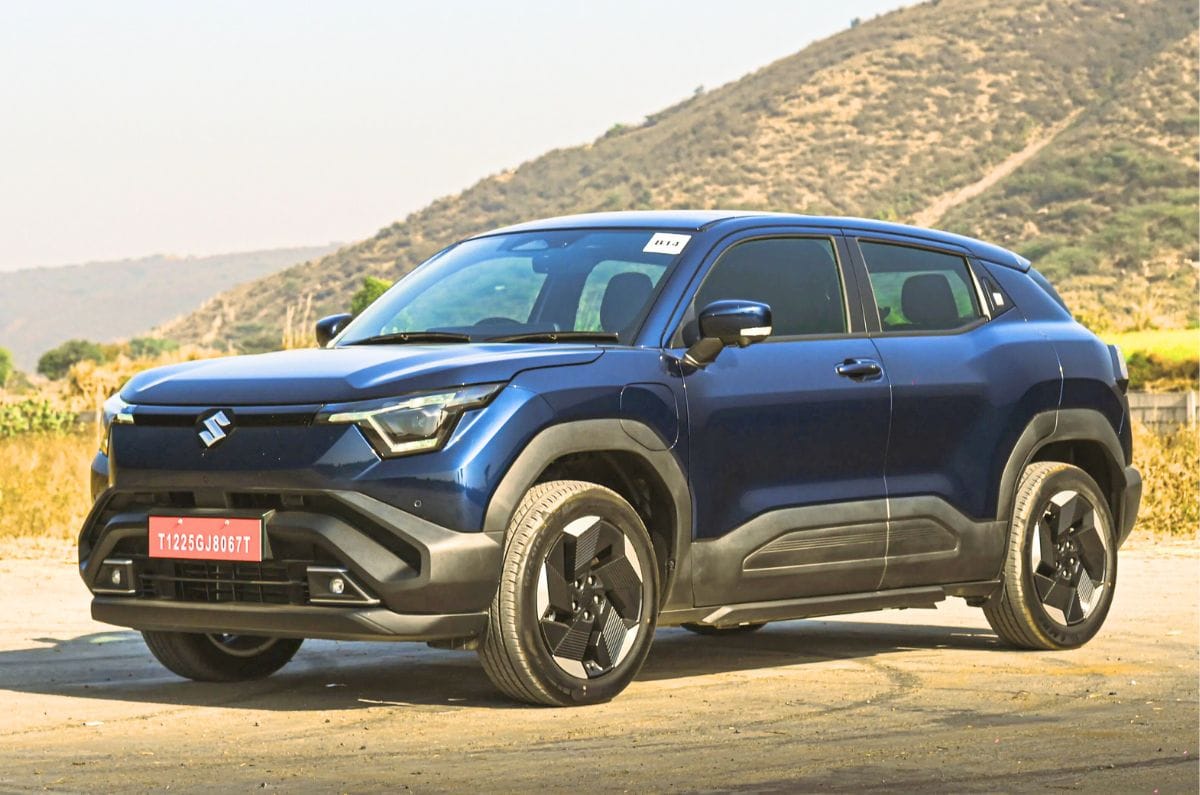
The prices of the Maruti e Vitara have just been announced, starting at Rs 15.99 lakh for the Delta variant with a 49kWh battery pack and going up to Rs 19.79 lakh for the top-spec Alpha variant with the larger 61kWh battery. Purely on pricing, it makes a strong first impression. Rather than taking on the Hyundai Creta Electric or the Mahindra BE 6 directly, the e Vitara is positioned much closer to the MG Windsor EV, which significantly changes how it should be viewed and evaluated.
Our initial driving experience with the e Vitara left us underwhelmed, both in terms of how it drives and the overall sense of the package, which felt like it had a few noticeable gaps. However, now that prices and battery options are out, the e Vitara does make a far stronger case, at least on paper.
Where the Maruti e Vitara impresses
Prices start at Rs 15.99 lakh for the base Delta variant, which comes with a sizeable 49kWh battery pack. This is important because it places the e Vitara closer to the MG Windsor EV Pro, which uses a larger 52.9kWh battery, rather than the Windsor’s smaller 38kWh version.
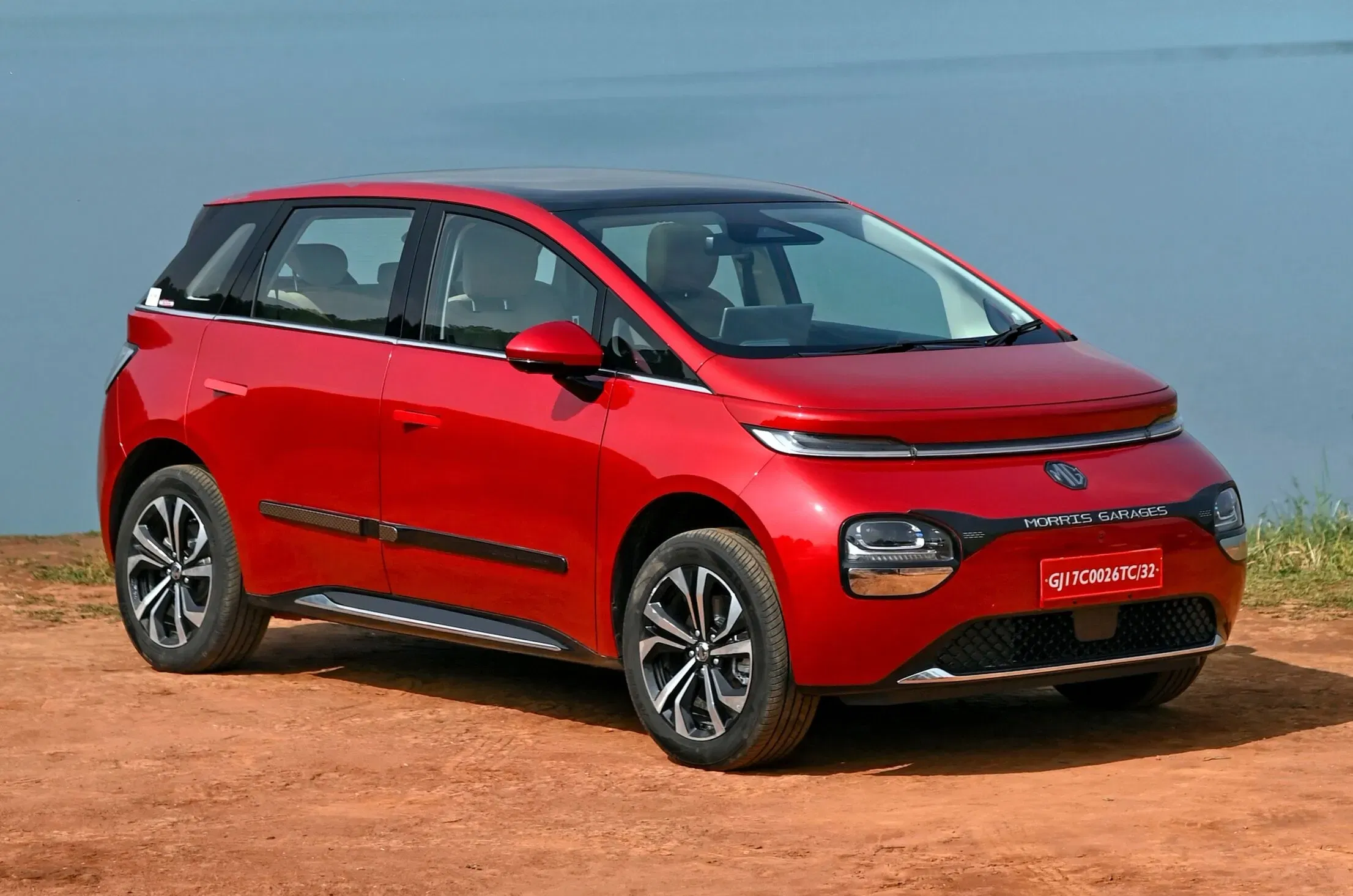
The MG Windsor EV Pro is available in two variants, Exclusive and Essence, with the Exclusive priced at Rs 17.37 lakh. In comparison, the Maruti e Vitara Delta is priced lower at Rs 15.99 lakh, but the e Vitara skips features like a 360-degree camera, leatherette seats, a powered driver’s seat and a wireless phone charger to achieve this. It also misses out on a reversing camera, offering only rear parking sensors. However, considering the Rs 1.38 lakh price difference, these feature omissions are easier to justify.
A more like for like comparison is between the e Vitara Zeta variant, priced at Rs 17.49 lakh, and the Windsor EV Pro Exclusive at Rs 17.37 lakh. While feature additions over the Delta are limited to a reversing camera and a wireless phone charger, the Zeta gains a much larger 61kWh battery pack. This translates to a claimed range of 543km, nearly 100km more than the Windsor EV Pro’s claimed 449km range; this could be a decisive advantage for some buyers.
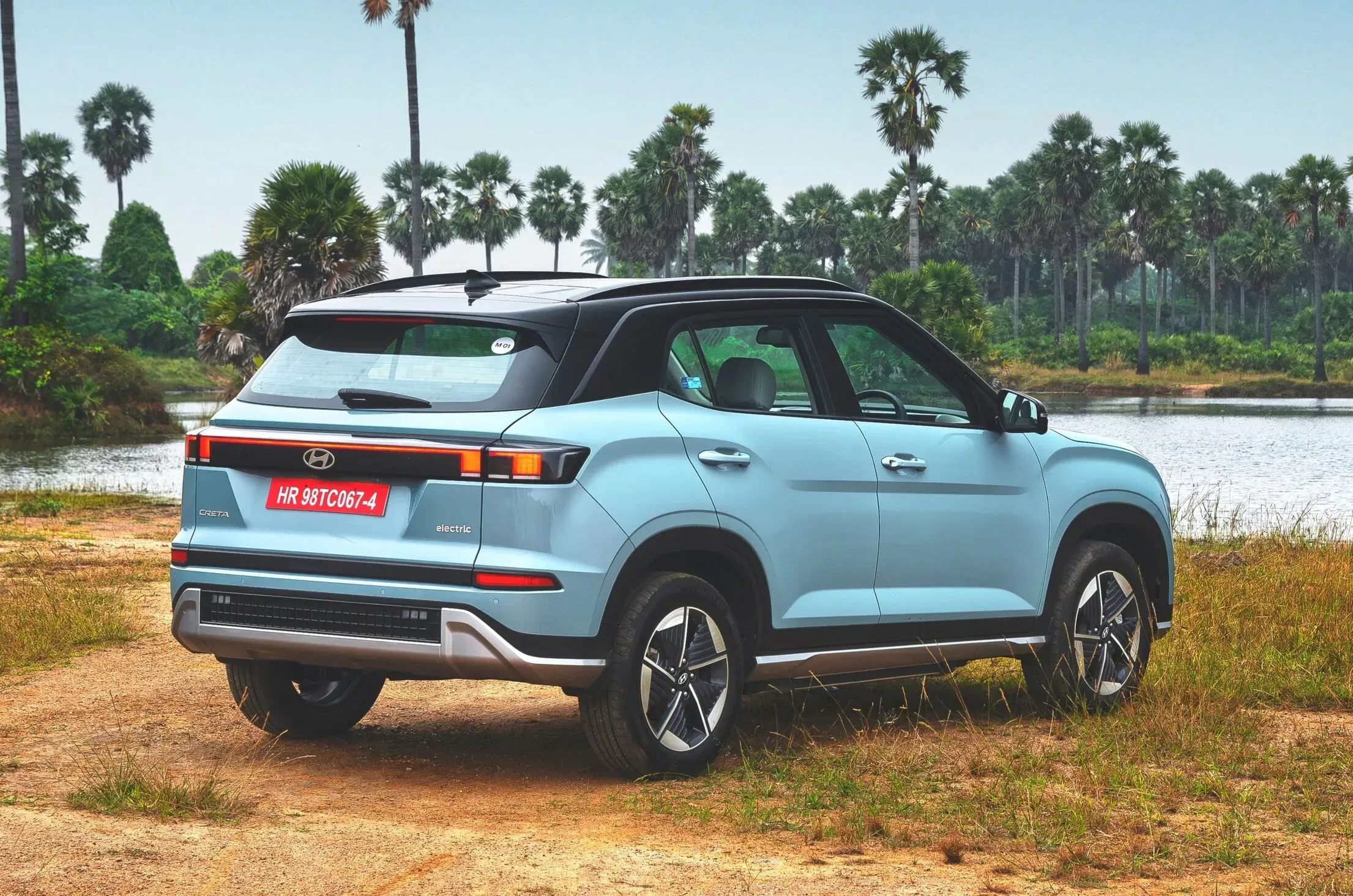
Against the Hyundai Creta Electric, the comparison is far less relevant. The Creta Electric is nearly Rs 5 lakh more expensive, making it unlikely that buyers would cross shop the two. On paper, then, the e Vitara comes across as strong value, driven largely by its aggressive pricing and large battery options.
What doesn’t work in the Maruti e Vitara’s favour
Despite being based on a born electric platform, just like the MG Windsor, the e Vitara does not deliver the same sense of space or openness. In fact, it feels noticeably cramped, especially in the rear, where the high floor results in a knees up seating position that further impacts comfort. Then there is the ride quality, which feels a bit too stiff for our road conditions and could be a deal breaker for some buyers.
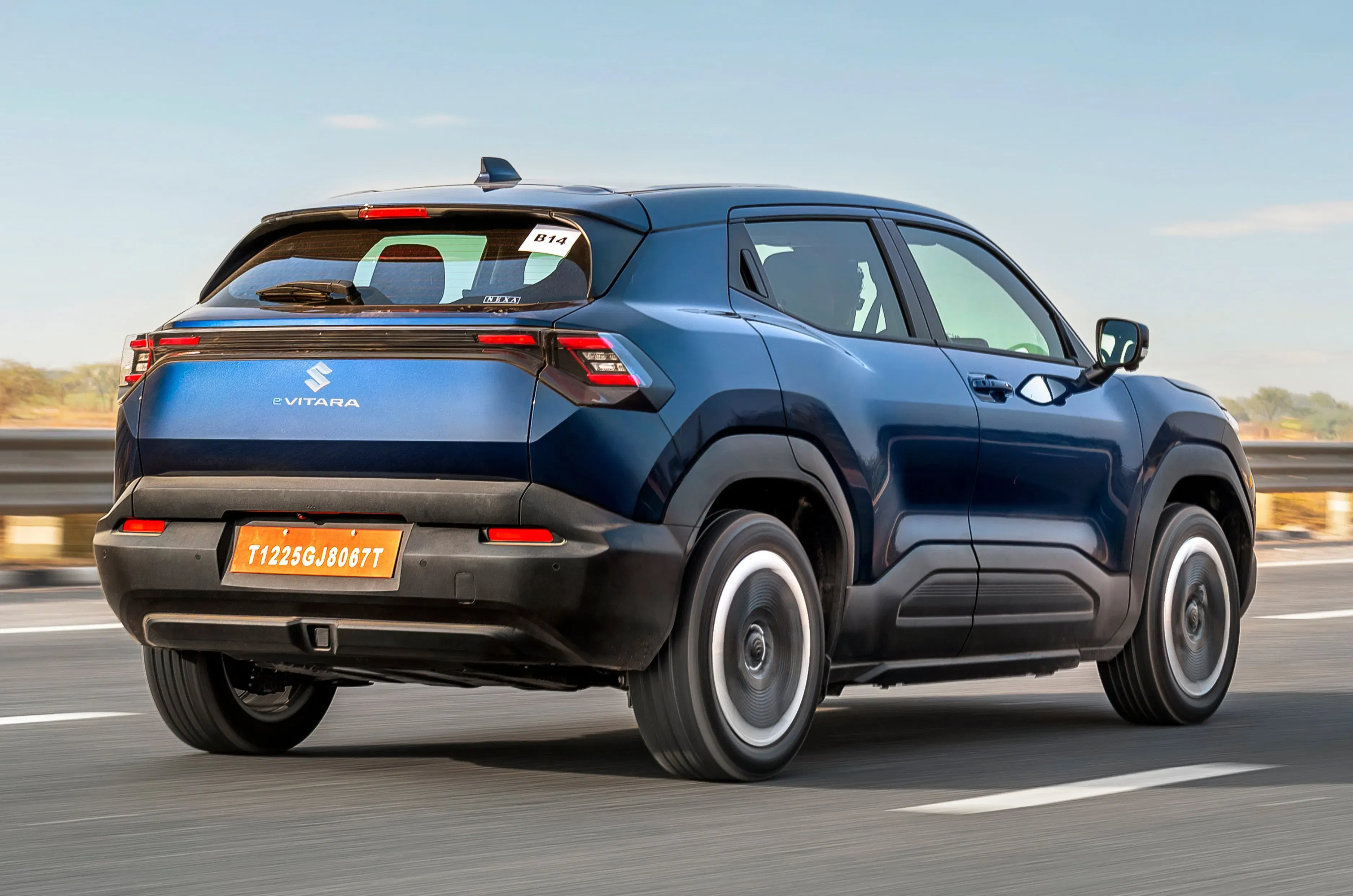
It also doesn’t feel particularly premium, special or futuristic. Inside and out, the e Vitara feels conventional. It lacks the dramatic design and performance of the Mahindra BE 6, the refinement and polish of the Hyundai Creta Electric, and the airy, spacious feel of the MG Windsor. In terms of cabin ambience and perceived quality, the Windsor actually comes across as the more expensive product.
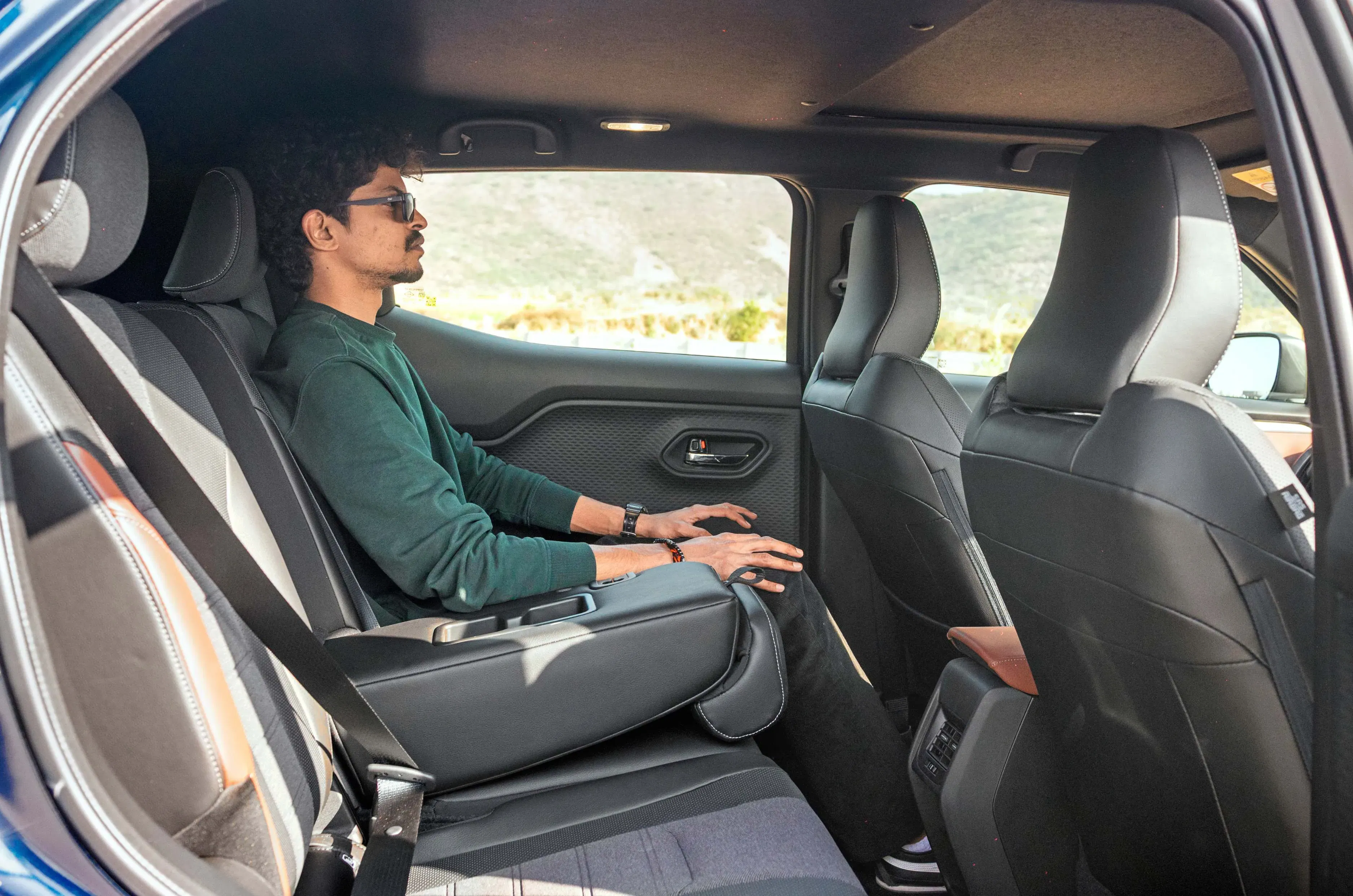
There is no doubt that Maruti Suzuki has priced the e Vitara aggressively, but as a product, it feels somewhat dull. In many ways, it mirrors Maruti’s recent approach with the Victoris. The Victoris may not feel special or class leading in terms of design or space, but it compensates with an extremely efficient hybrid powertrain and sharp pricing. The e Vitara follows a similar strategy, offering a large battery pack and an impressive claimed range at an attractive price point.
That approach works well for ICE and hybrid cars, but the bigger question is whether it will resonate with EV buyers, who often look for something that feels new, different and exciting. The e Vitara gets the numbers right, but it remains to be seen whether that is enough in the electric space.