


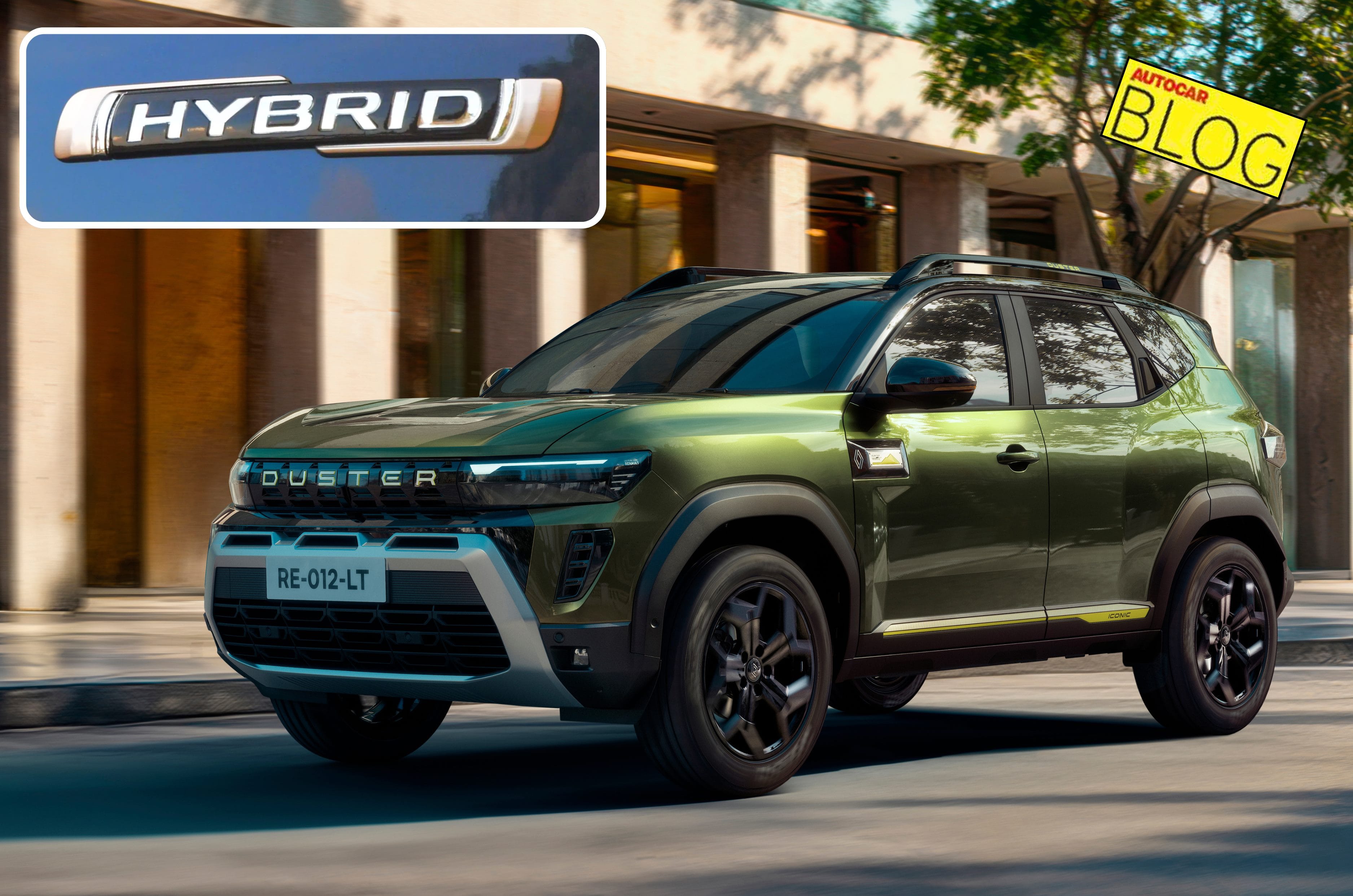
The Renault Duster has made a spectacular comeback for 2026. Not only is the new Duster engineered specifically for India in terms of its tweaked styling elements, more premium interior layout and extended feature set, but it also brings forth competent turbo-petrol powertrains.
While some lament the exclusion of a diesel engine option for the 2026 Duster, Renault seeks to plug that gap in the line-up with a strong hybrid powertrain. When the new Duster goes on sale in March 2026, though, the midsize SUV will be available solely with petrol engines. The hybrid powertrain option for the new Duster won’t launch before Diwali 2026.
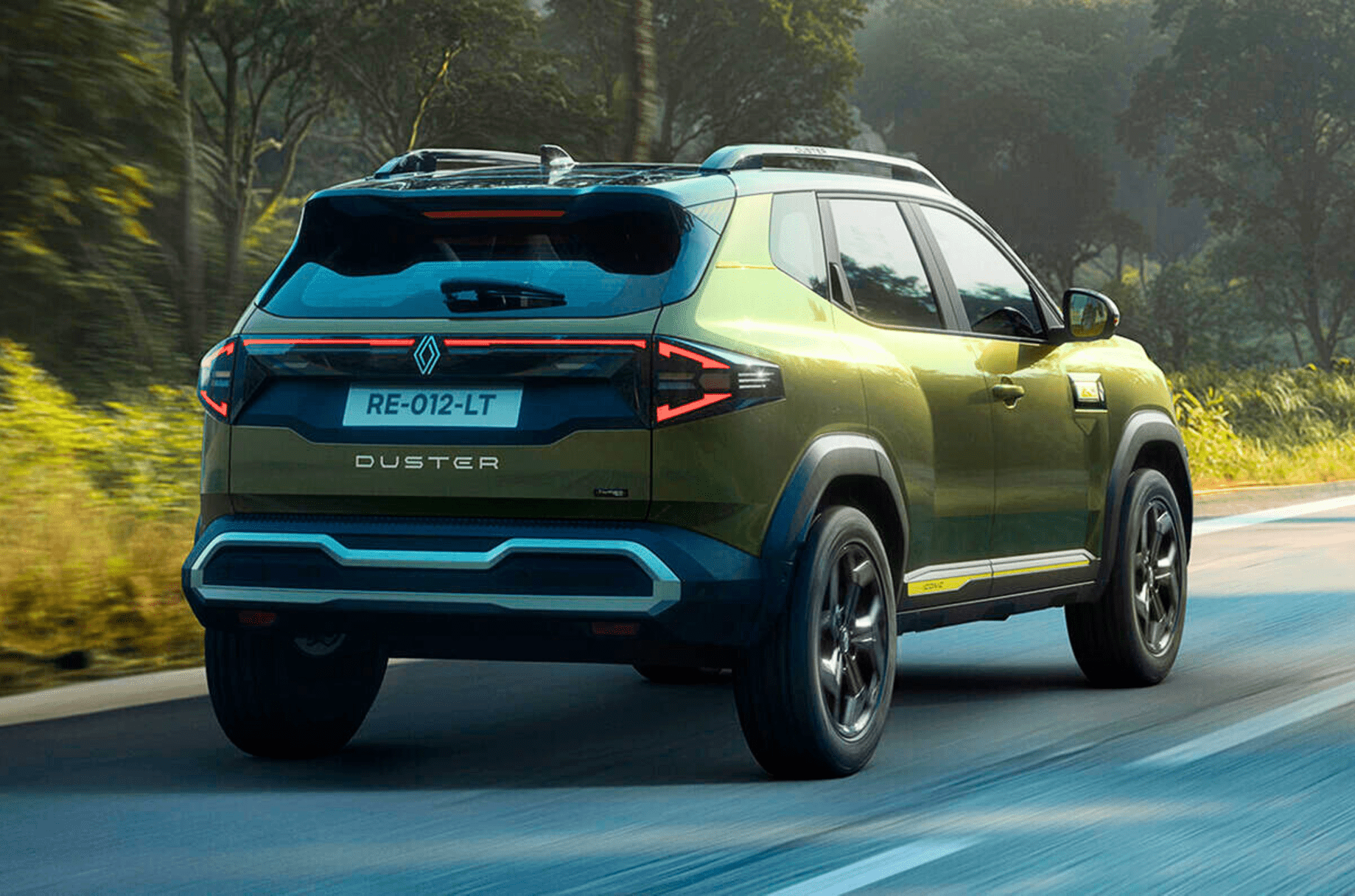
This has prompted some criticism on social media and online forums, claiming that the staggered launch of the Duster hybrid is Renault being late to the party. Contrary to those opinions, however, Renault is actually ahead of the curve when it comes to the Duster hybrid. Here’s why.
Of the dozen or so midsize SUVs currently on sale, only three are available with a strong hybrid powertrain: the Maruti Suzuki Grand Vitara and Victoris and the Toyota Hyryder. Of these, the Victoris is the newest one to hit the market, while the Grand Vitara and Hyryder have been around for over three years.
From now up until Diwali 2026, the midsize SUV segment won’t see the arrival of any new hybrid contenders. So, when the 2026 Duster hybrid does launch, like-for-like offerings in the midsize SUV space will be the exact same as they are currently.
In fact, Renault will beat the 2027-bound Kia Seltos hybrid to market, as well as the next-gen Creta, which is expected to launch next year with a hybrid option too. Mahindra and Tata are still exploring the prospect of hybrid powertrains, so their launch timelines are likely much further away. This goes to show that Renault isn’t late to the hybrid party at all.
Not to mention, the Grand Vitara, Victoris and Hyryder use the same 116hp 1.5-litre 3-cylinder hybrid setup. As our respective reviews of each SUV have pointed out, this hybrid powertrain is smooth and incredibly fuel-efficient during city commutes, but out on the highway, it can feel out of breath.
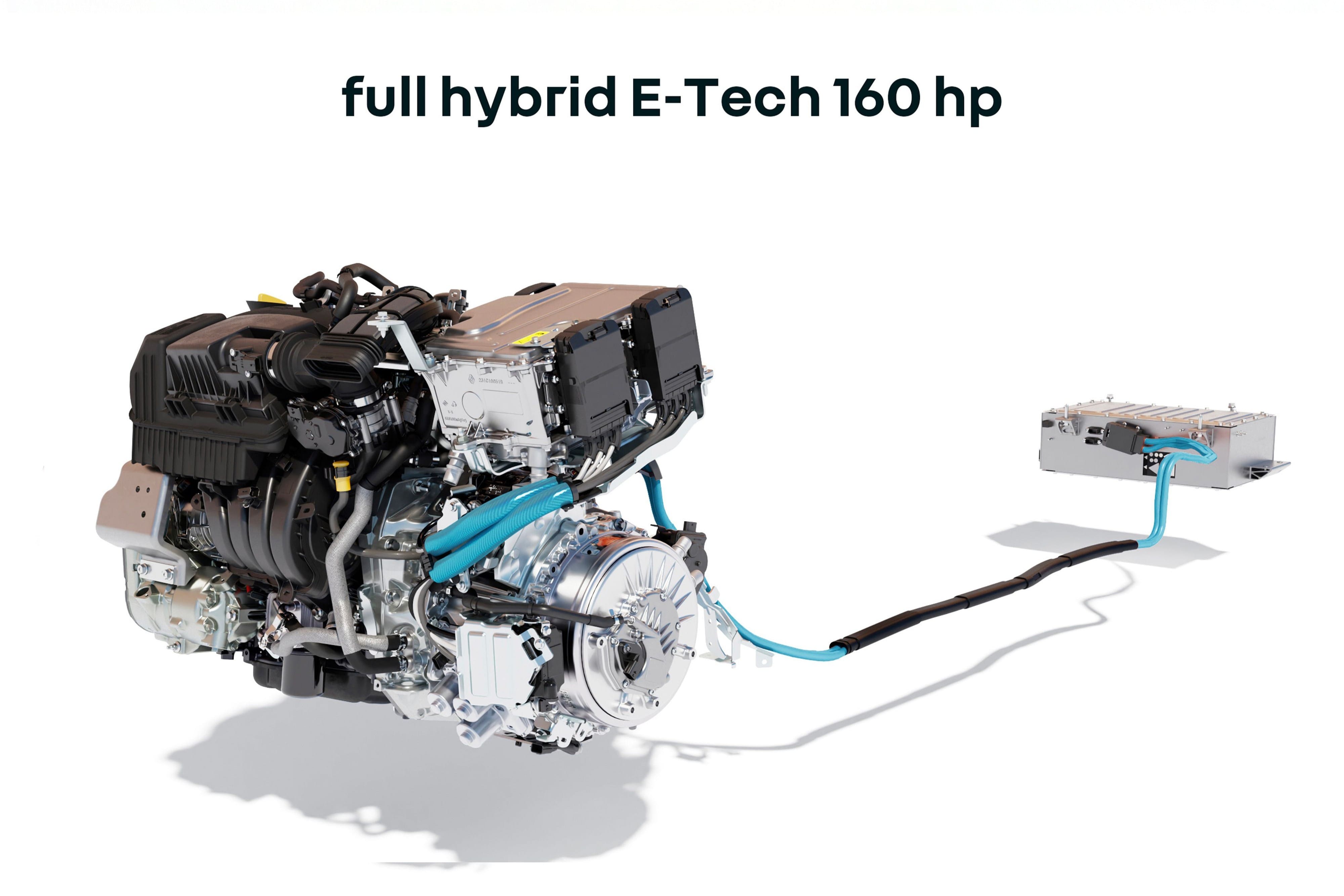
The 2026 Duster hybrid will use a bigger 1.8-litre 4-cylinder engine in conjunction with a front-mounted electric motor to put out 160hp and 172Nm – substantially stronger than the Maruti and Toyota hybrids. Renault will also equip the Duster hybrid with a more sophisticated 8-speed DHT (dedicated hybrid transmission), which typically offers better fuel efficiency and performance than the e-CVTs you’d find in the Grand Vitara, Victoris and Hyryder hybrids.
Moreover, Renault claims that the Duster hybrid can manage 80 percent of city driving in all-electric mode courtesy of its 1.4kWh battery pack, which stands at nearly double the capacity of the 0.76kWh units in the Maruti and Toyota hybrids. Thanks to the longer all-electric range, Renault promises “exceptional” mileage figures, though specifics remain under wraps.
It’s safe to say, then, that the Renault Duster hybrid is anything but late to the market. As we look ahead to the Duster hybrid’s launch, pricing should be the more pertinent aspect since the powertrain is stronger and more advanced than its Maruti and Toyota peers. However, with Renault planning to localise the Duster’s hybrid powertrain in India, prices might well be quite competitive for the segment.