


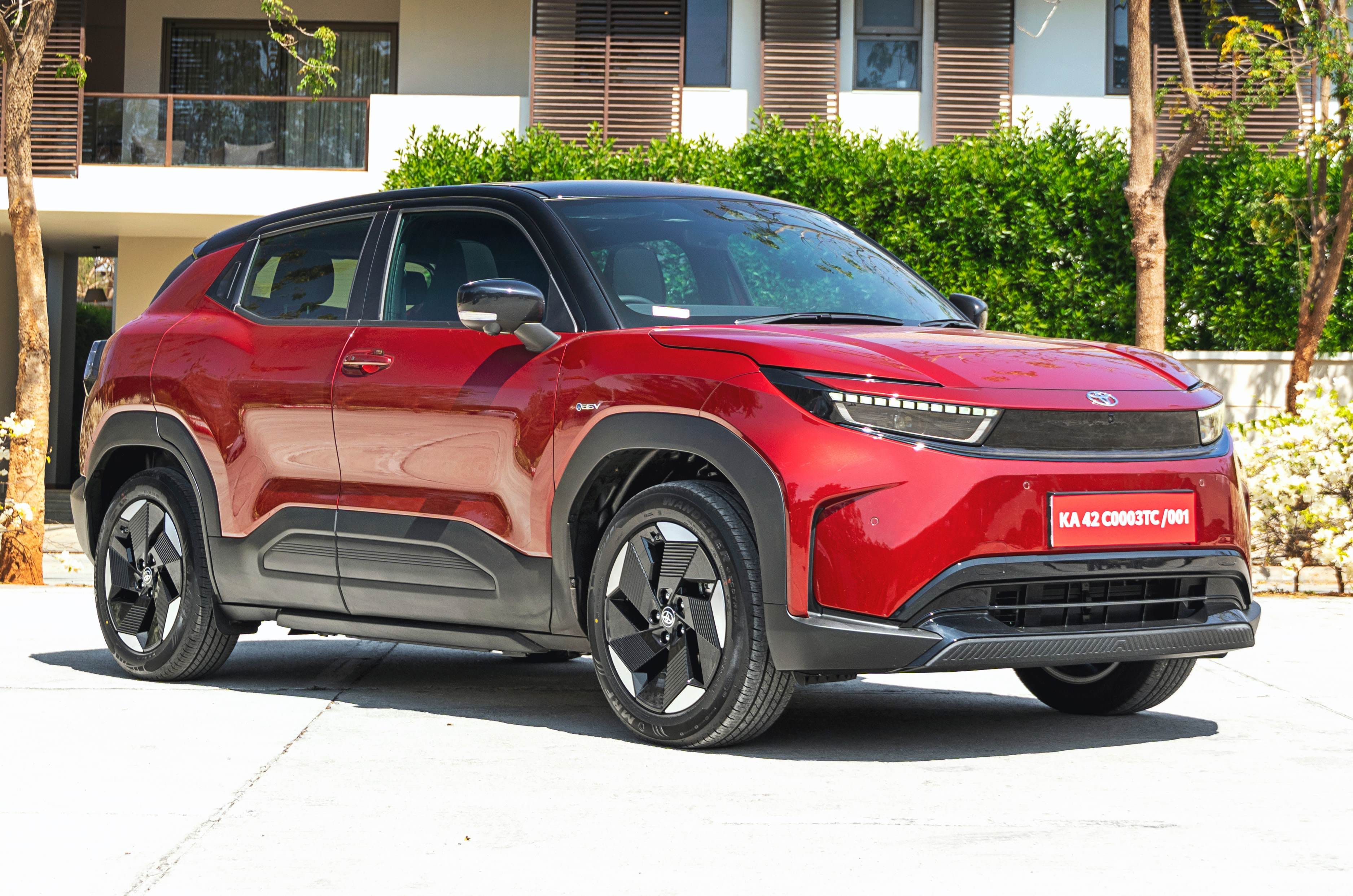
Toyota India kicked off 2026 by pulling the covers off its debut EV: the Urban Cruiser Ebella. It’s basically a rebadged Maruti Suzuki e Vitara, offering the same battery options, interior layout, and feature set, but with distinct styling up front. While Toyota has yet to announce prices for the Urban Cruiser Ebella, we’ve driven it on Indian roads. So, if you’re considering bringing home an Urban Cruiser Ebella, listed below are the EV’s most notable strengths and drawbacks.
Pros
Smooth powertrain
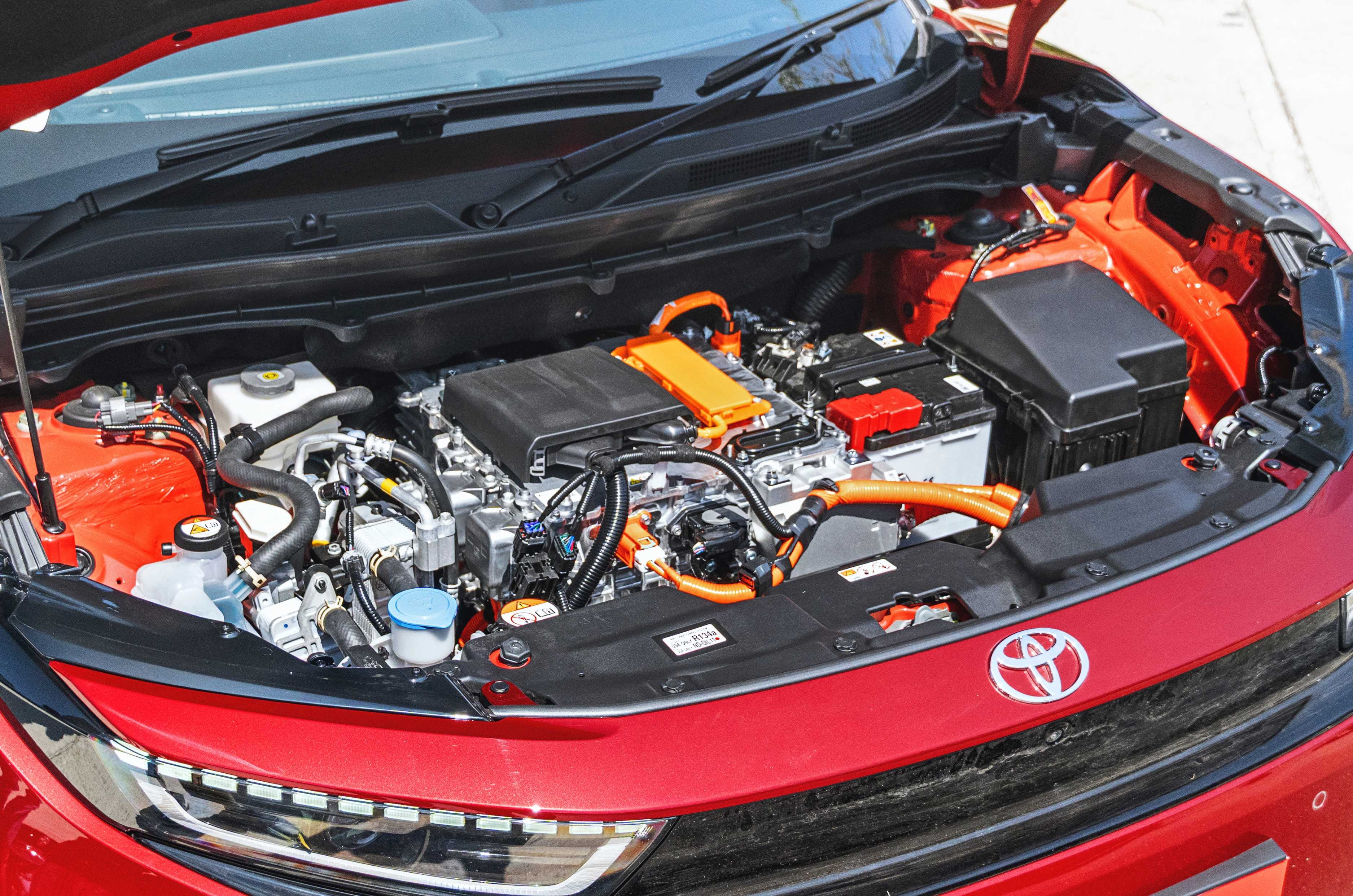
Toyota will sell the Urban Cruiser Ebella with two battery packs – 49kWh and 61kWh – both of which are paired with a 193Nm front-mounted electric motor. The 49kWh version produces 144hp, while the 61kWh variants bump the output to 174hp. Range is claimed at 440km for the 49kWh battery and 543km for the 61kWh unit, with our preliminary testing indicating a 370km real-world range for the latter.
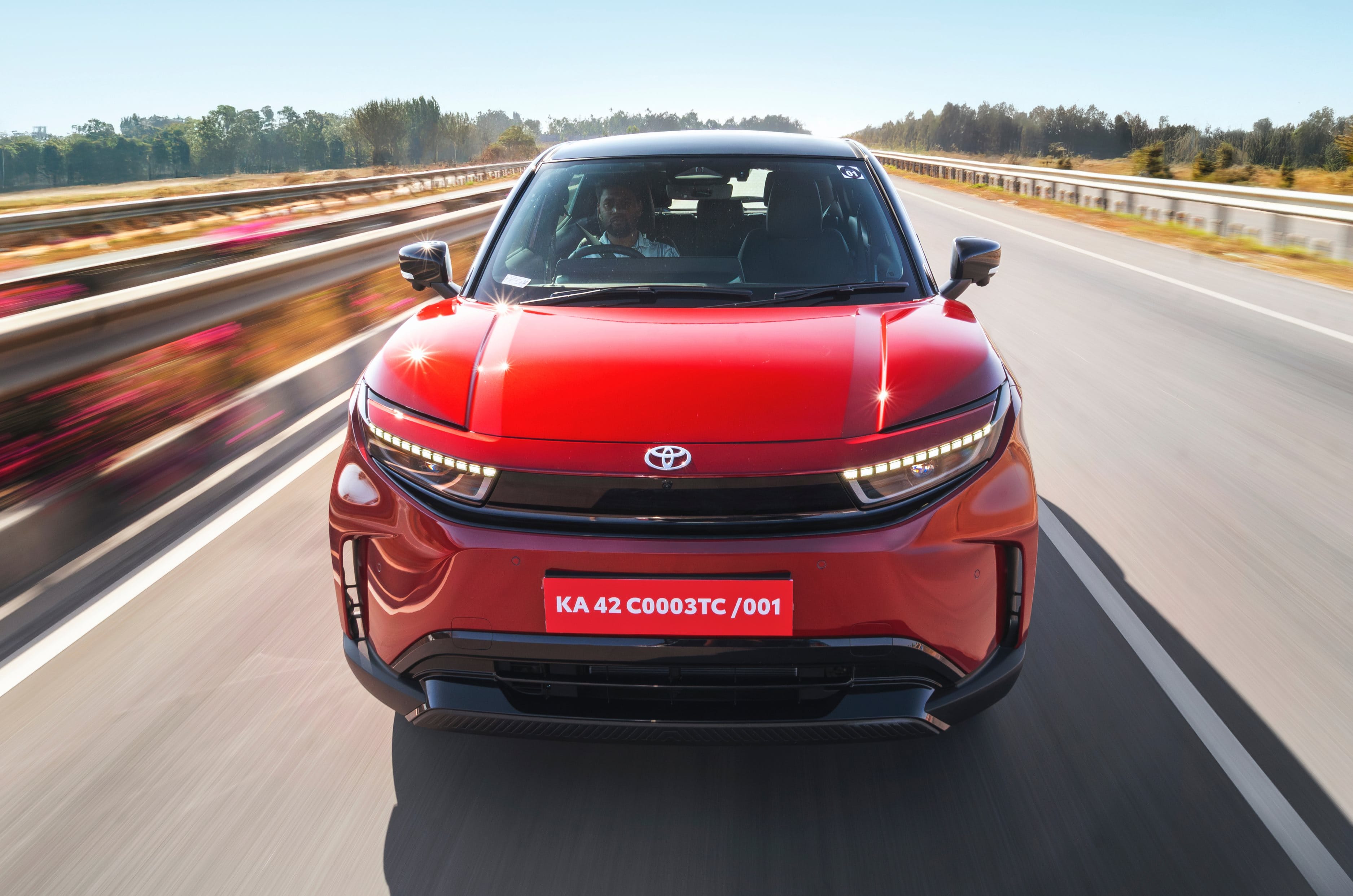
As noted in our Urban Cruiser Ebella review, its power delivery is smooth and linear, lending the Toyota EV a relaxed demeanour. You get three drive modes too – Eco, Normal and Sport – to alter the Urban Cruiser Ebella’s character. With a tested 0-100kph time of 9.25 seconds, performance isn’t class-leading, but should be adequate for many.
Premium and well-built interior
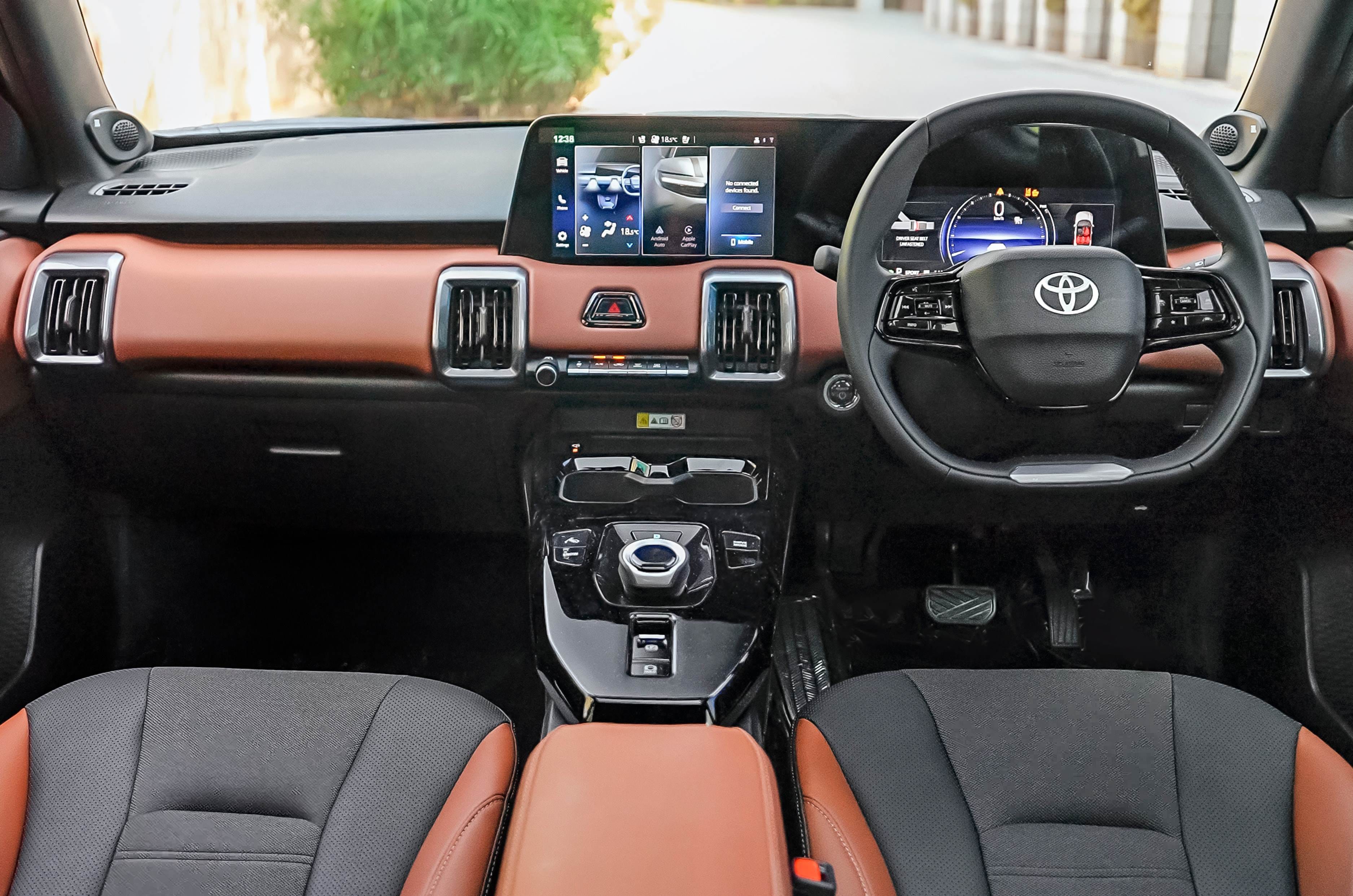
Step inside the Urban Cruiser EV and you’re greeted with an upmarket space. Brown-and-black upholstery exudes a premium look, and the quality standard is quite high. The damped switchgear, soft-touch materials on the dashboard and steering wheel, and gloss black centre console look and feel very good, though the latter can attract smudges and dust rather easily.
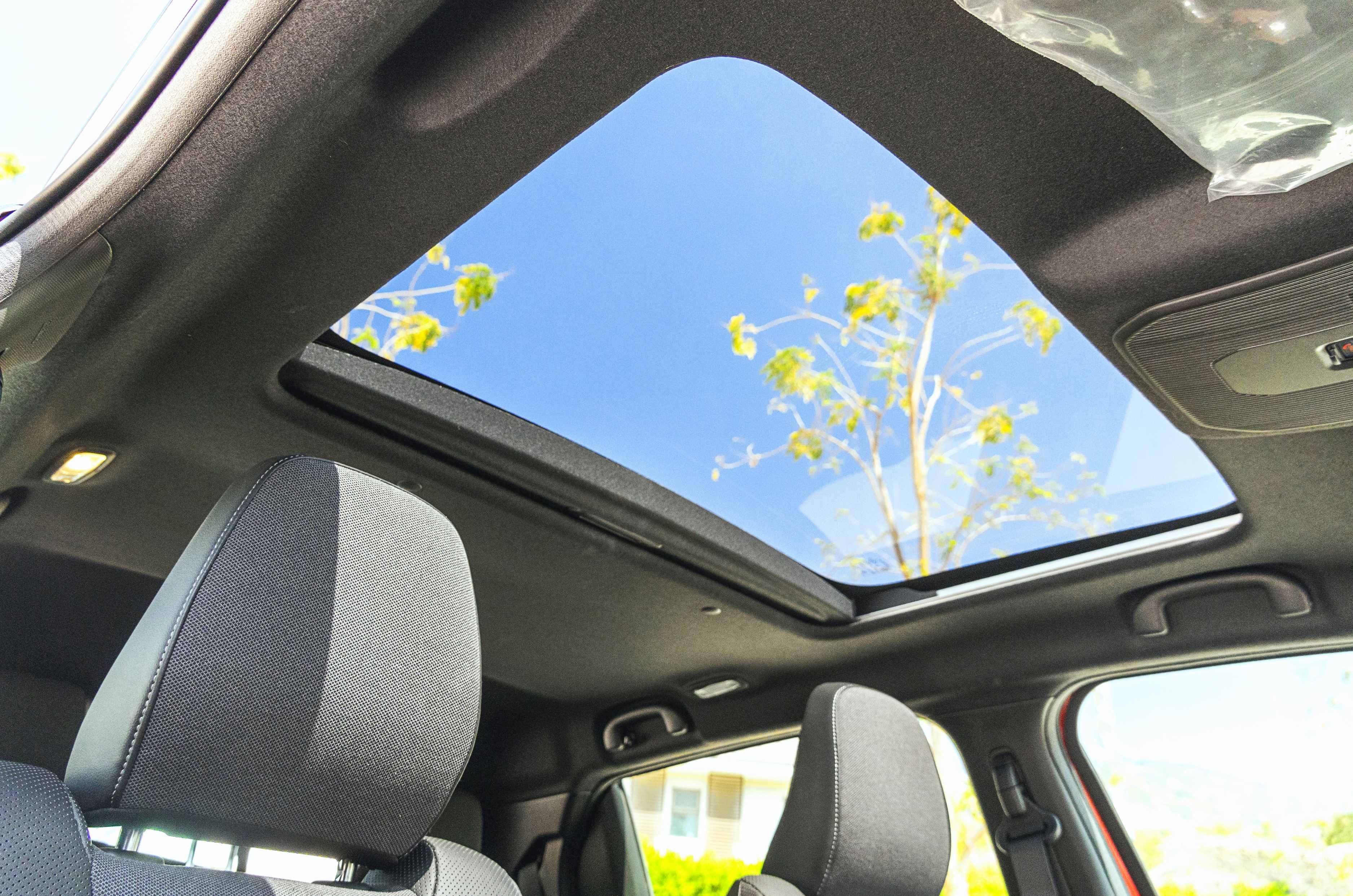
The Urban Cruiser Ebella comes packed with lots of creature comforts too, such as a 10.25-inch infotainment touchscreen with wireless Apple CarPlay and Android Auto, 10.1-inch digital driver’s display, fixed single-pane glass roof, 360-degree camera, JBL audio system, 10-way powered driver’s seat, wireless charging pad, ventilated front seats, Level 2 ADAS, ambient lighting, and more.
Easy to manoeuvre
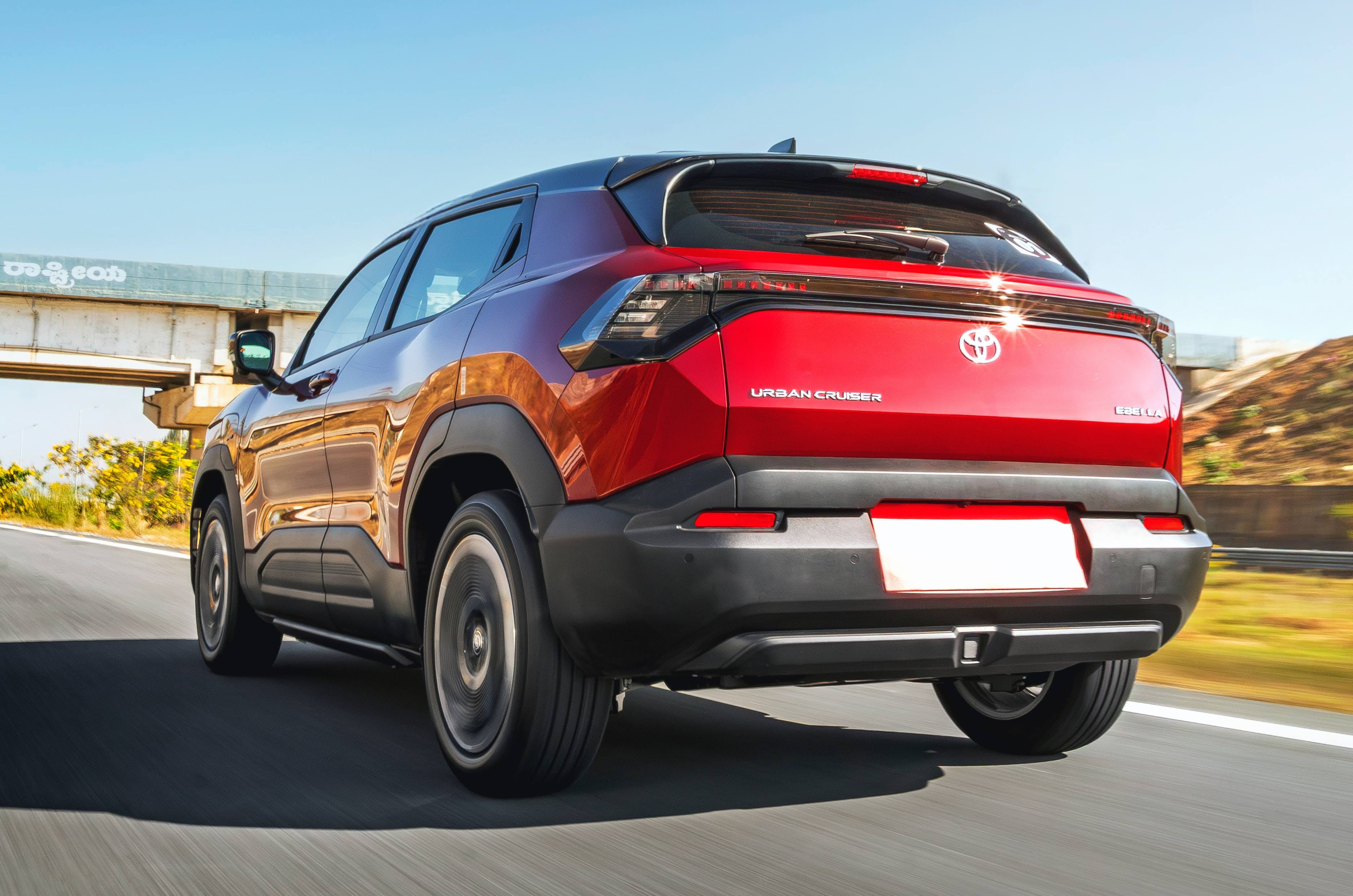
Those planning to use the Urban Cruiser Ebella for daily city commutes will be pleased to know that the electric SUV has a light steering and 5.2m turning radius. These makes for effortless manoeuvrability in urban conditions. Moreover, the Urban Cruiser Ebella’s handling is safe and predictable, and the brake pedal feels natural and confidence-inspiring too.
Cons
Irksome user interface
Contrary to the stress-free nature of Toyotas, the Urban Cruiser Ebella’s infotainment software falls quite short in user-friendliness. The interface’s response times are sluggish, and many vehicle functions – like auto climate control and seat ventilation – are buried within the software’s submenus with no physical shortcut buttons. While on the move, this can even unduly distract the driver and pose a safety risk.
Knees-up rear seating and limited boot space
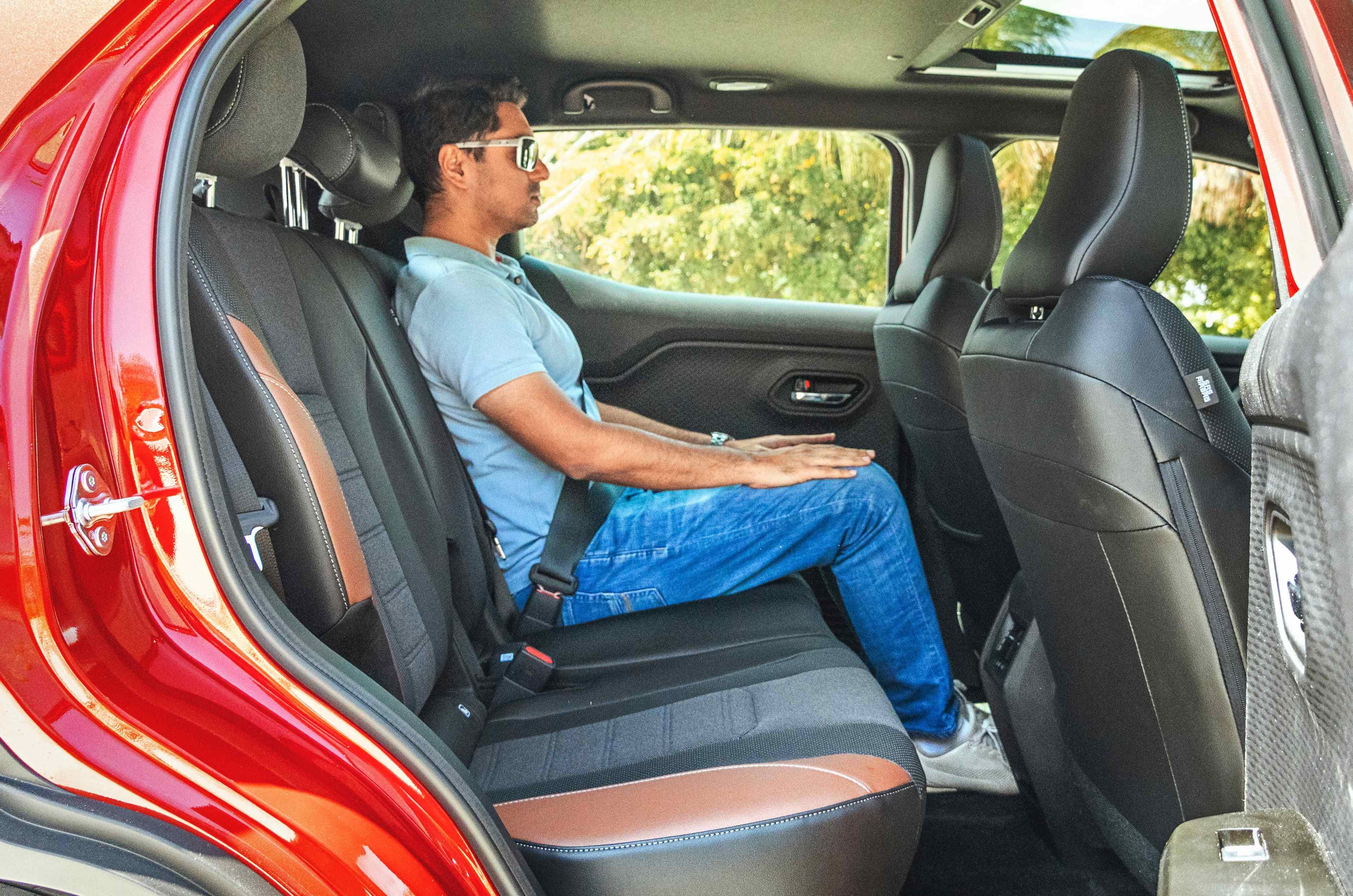
The Urban Cruiser Ebella’s battery placement results in a raised floor that incurs a knees-up seating position for rear occupants, which isn’t very comfortable over long durations. Moreover, rear headroom is limited, there are no rear sunshades, and the 306-litre boot is far from segment-leading. The Mahindra BE 6, for instance, has a 455-litre boot.
Busy ride quality
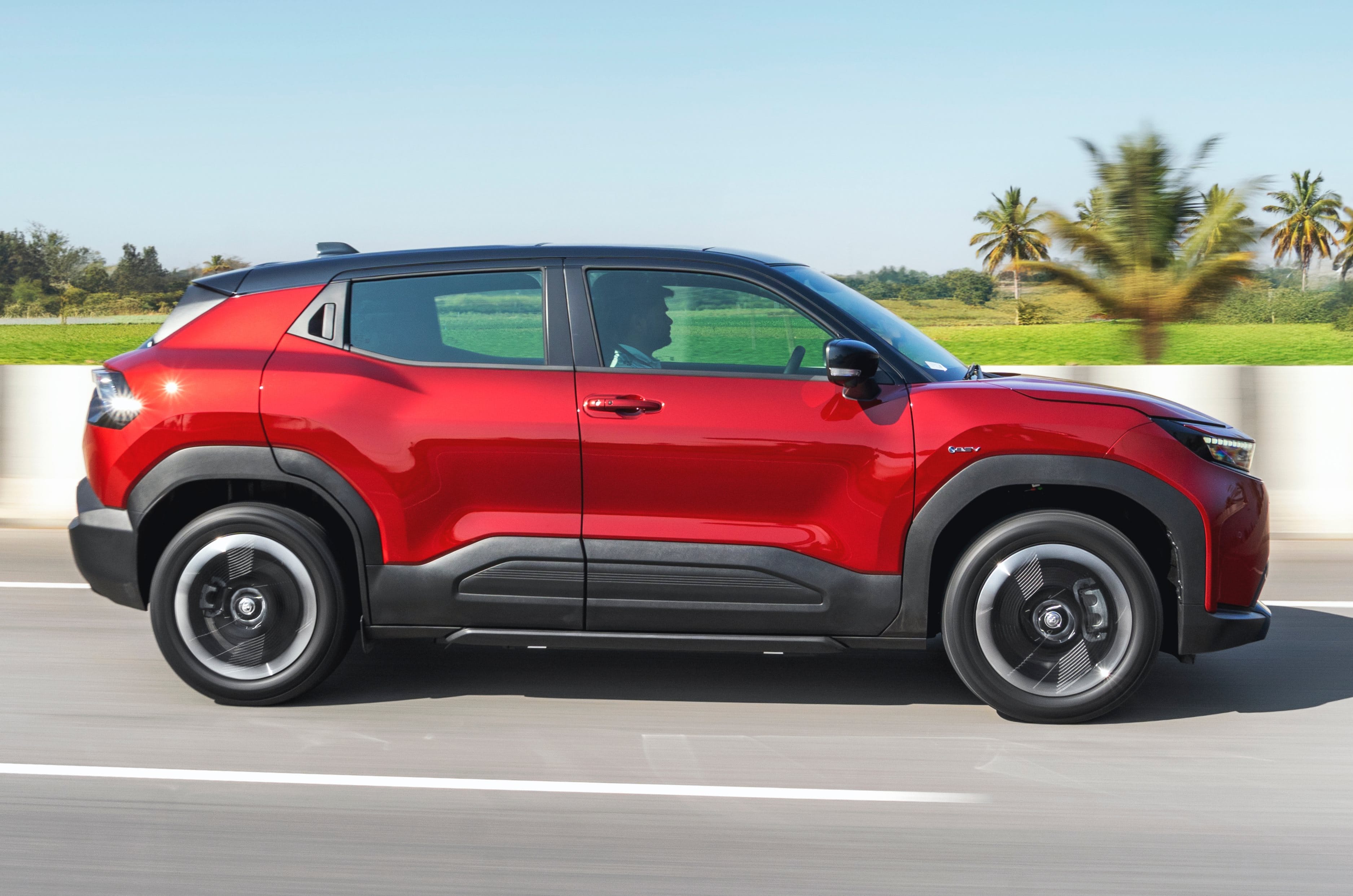
On the ride comfort front, the Urban Cruiser Ebella could’ve done a better job. The firm suspension setup tends to crash over sharper speed breakers and big potholes at low speeds, and things don’t get much better as the pace increases either. At highway speeds, the Urban Cruiser Ebella feels floaty, particularly at the rear end, and horizontal pitching can be noticed at times too, which could give rise to motion sickness.