


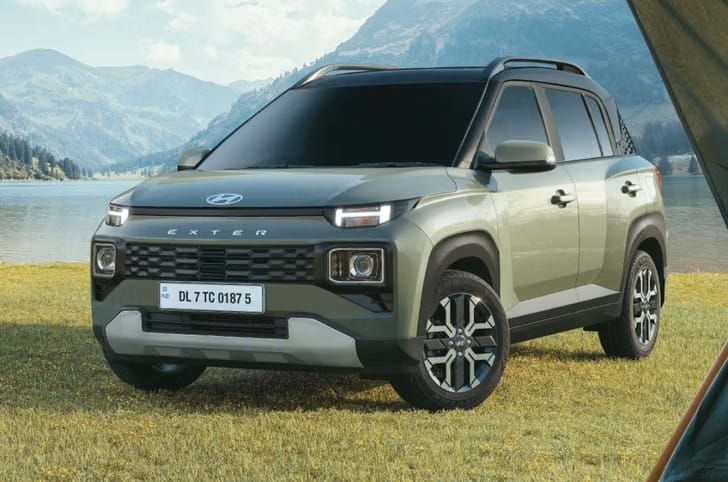
Hyundai’s smallest SUV , the Exter is positioned as a city-friendly alternative to larger sub-4m SUVs and takes on sub-compact rivals like the Tata Punch. After extended road tests and long-term use, here’s what works in the Exter’s favour, and where it falls short.
1. Well-thought-out cabin with a strong feature list
Good storage and sensible layout make daily use easy
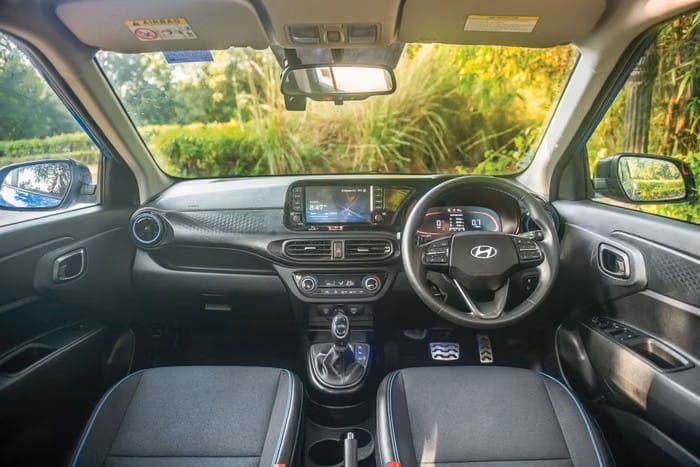
The Exter’s cabin is neatly laid out and logically arranged, making it easy to use on a daily basis. Build quality feels solid, with good fit and finish throughout, and while there are hard plastics, the switches, stalks and buttons feel well made and pleasant to use.
Hyundai has made smart use of space. Storage is generous, with large door bins, cup holders, a sizable glovebox and plenty of room for phones and small items. The wireless charging pad is particularly well designed, and there’s even a neat cable-routing slot if you prefer to plug in. Cabin ergonomics are good, with most controls easy to locate and operate.
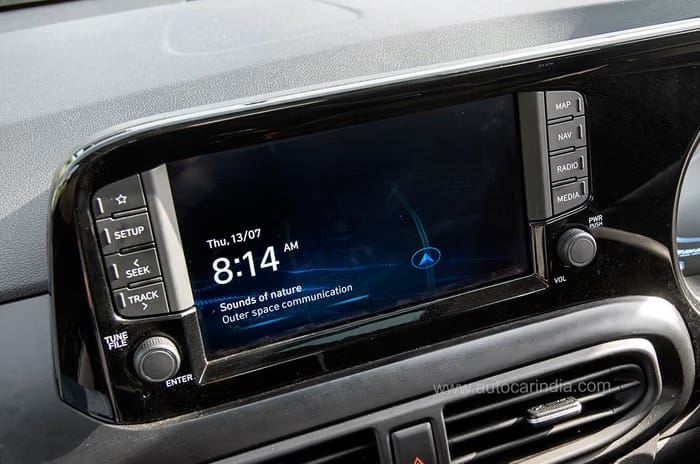
Feature levels are strong for the segment. The Exter gets a responsive touchscreen with Android Auto and Apple CarPlay, a digital instrument cluster, a sunroof, cruise control, auto headlamps and a dashboard camera with dual lenses. Safety is also well covered, with six airbags offered as standard and ESP available from the base variant.
2. Smooth and refined petrol engine
Smooth, linear performance suits city driving
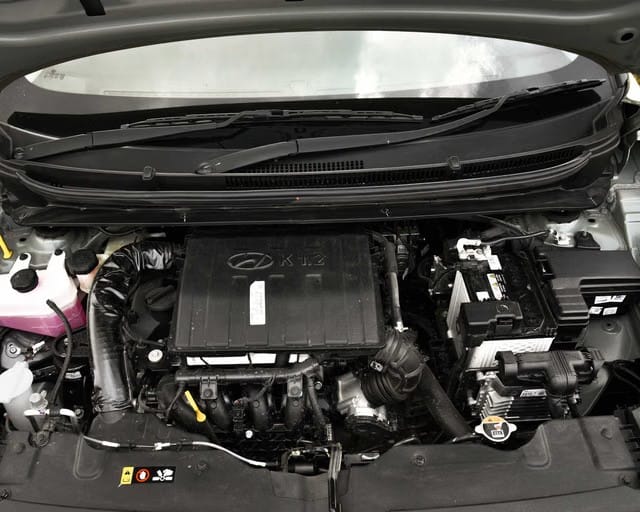
The Exter is powered by Hyundai’s familiar 1.2-litre, four-cylinder petrol engine, and refinement is one of its standout traits. With 83hp and 114Nm, performance is modest on paper but feels adequate in everyday use, especially in the city. Power delivery is smooth and linear, with enough low-end response for traffic and quick overtakes without needing to push the engine hard.
The engine feels relaxed and easy to drive, pulling cleanly through the mid-range up till 4,500rpm-5,000rpm. The 5-speed manual has a light clutch and slick shifts, making it stress-free in traffic. The AMT, while not as smooth as a torque converter, is well calibrated for urban use, with relatively smooth shifts at part throttle. The addition of paddle shifters is a useful bonus.
Overall, the Exter’s petrol engine suits its city-focused role well, prioritising smoothness and ease of use over outright performance.
3. Compact size, but good interior space
Makes good use of its footprint
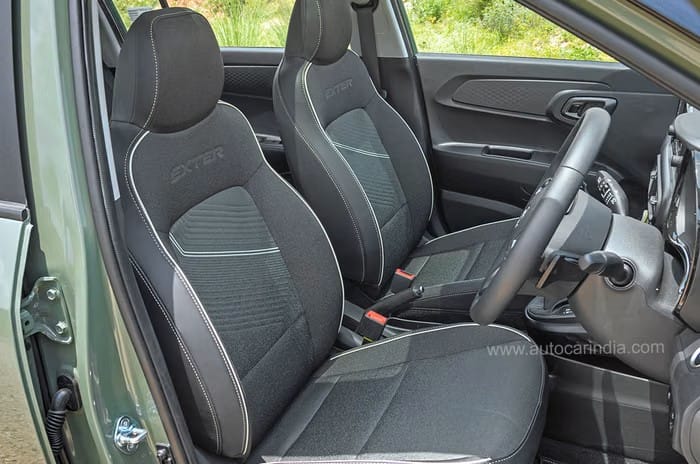
Despite its compact footprint, the Exter makes smart use of its wheelbase and tall-boy stance to deliver a surprisingly roomy cabin. Seat comfort is good, with ample headroom, knee room and foot space, even for taller occupants.. Hyundai has also scooped out the front seatbacks to free up extra rear legroom.
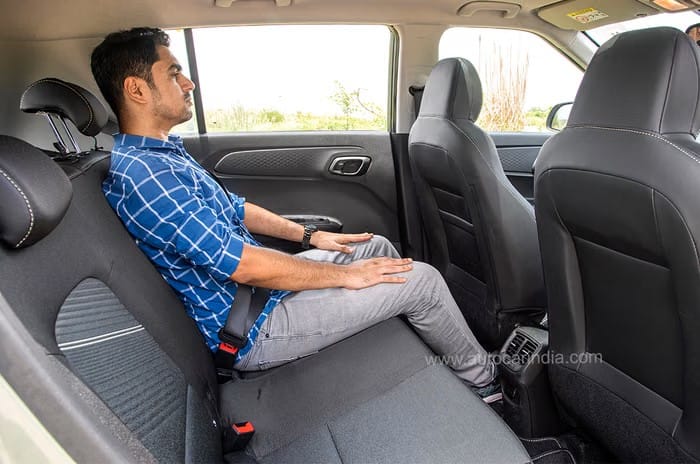
The rear bench is comfortable thanks to a supportive seat base and a nicely reclined backrest, though the cabin width means three adults abreast will feel tight. Boot space is another strong point at 391 litres, and can be expanded by folding the rear backrest. Combined with its easy-to-manage dimensions, the Exter is simple to park in tight spots while remaining practical enough for daily city use and small families.
Now, let’s delve into the Hyundai Exter’s most notable drawbacks.
1. Ride comfort drops with a full load
Feels unsettled on rough roads and bouncy at higher speeds
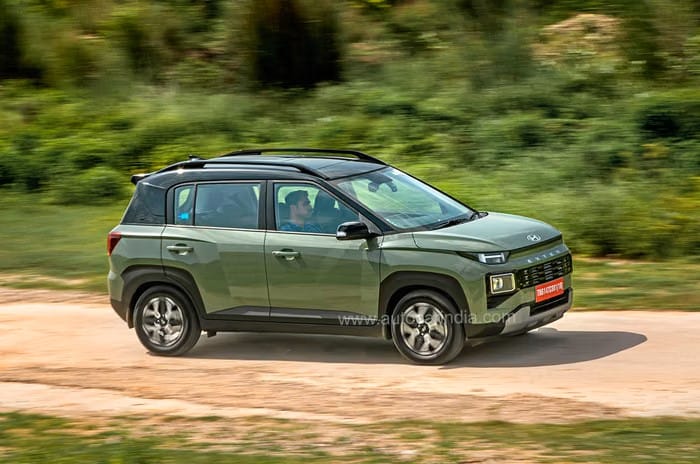
The Exter’s suspension setup is fine when driven solo or lightly loaded, and it handles single bumps and larger road imperfections reasonably well. However, with a full load on board, ride comfort takes a hit, especially on rough city roads. Over repeated bumps and broken surfaces, the suspension feels firm and jittery, and occupants can feel the constant rumble filtering into the cabin.
At higher speeds, the car can also feel a bit bouncy on uneven highways, which takes away from overall comfort. It’s not a deal-breaker for everyday city use, but those regularly driving with a full cabin over poor roads will notice the limitation.
2. Fuel efficiency takes a hit in real-world use
Efficiency drops when AC is working hard
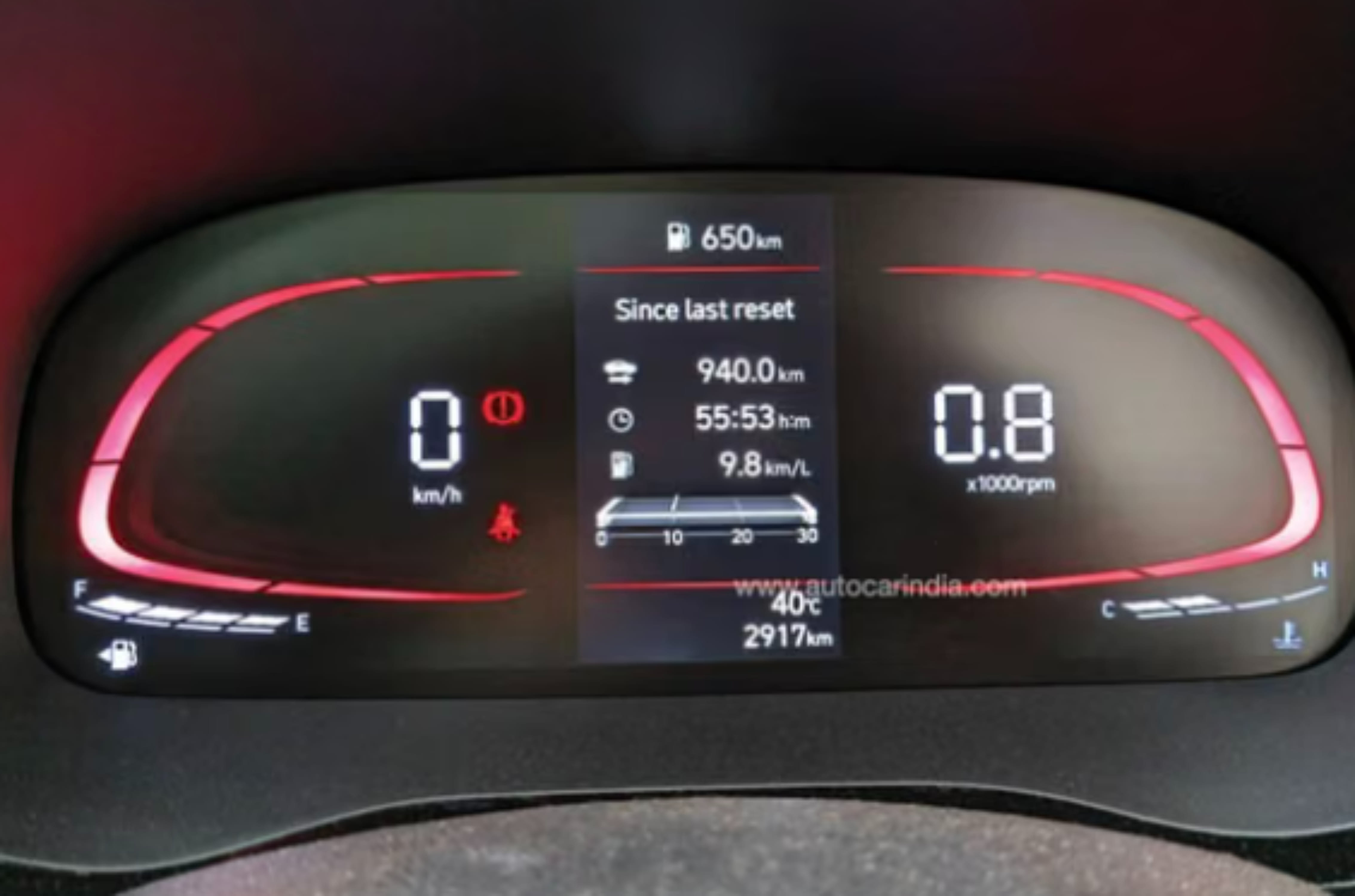
Despite its smooth and refined petrol engine, the Exter’s fuel efficiency falls short of expectations in daily driving. In real-world testing, the manual version returned 9.21kpl in the city and 14.77kpl on the highway, for a combined figure of 11.99kpl, compared to a claimed 19.4kpl.
High ambient temperatures (around 40-degC) during testing meant the air-conditioning was working hard, which had a clear impact on efficiency. In comparison to the Grand i10 Nios it is based on, the Exter is 48kg heavier and has slightly different gearing, which also seems to have affected its efficiency in the real world.