


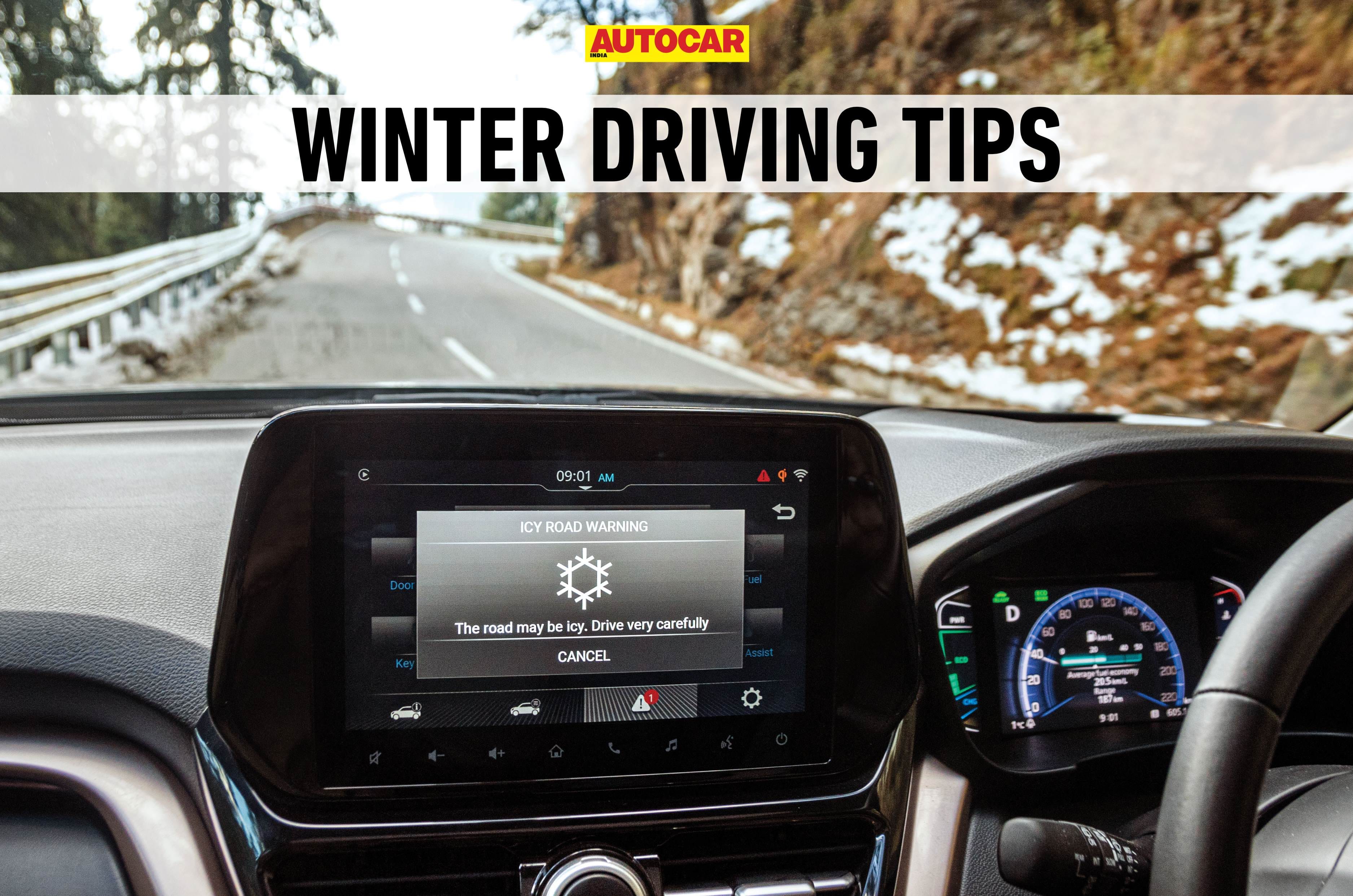
Driving in winter conditions requires high attentiveness and utmost care. Before you go on the road, it’s necessary to prepare your car for the journey ahead. In this article, we share useful driving tips in the winter, so that you and your car are safe on the go.
1. Starting from a standstill
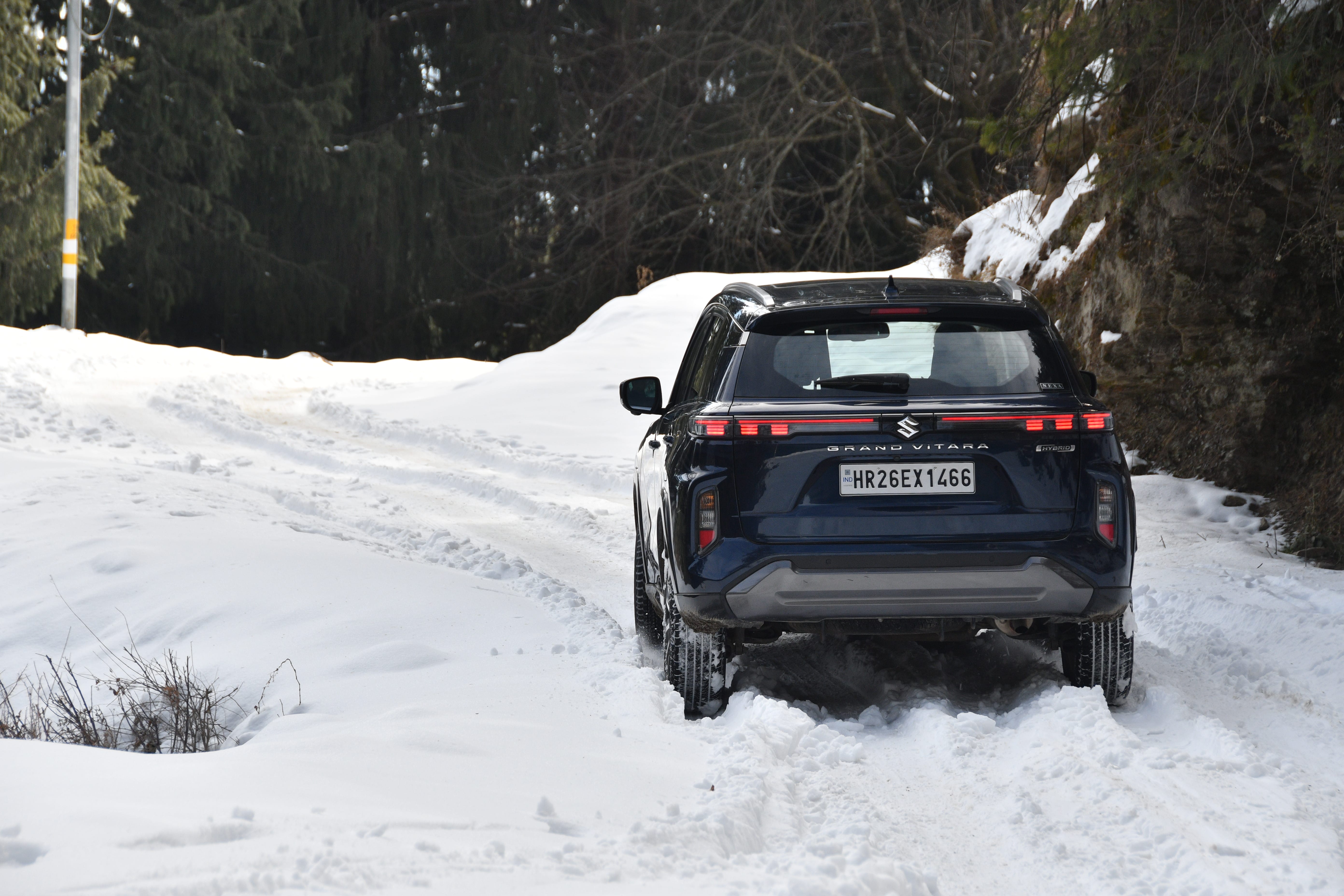
When at a standstill, increase the vehicle speed steadily and avoid raising the engine speed in lower gears since traction is lower than normal. Try gaining speed through the second gear, if your car has sufficient torque. But when doing this, be careful not to damage your clutch in the process.
2. Dealing with the accelerator and doing safe turns.
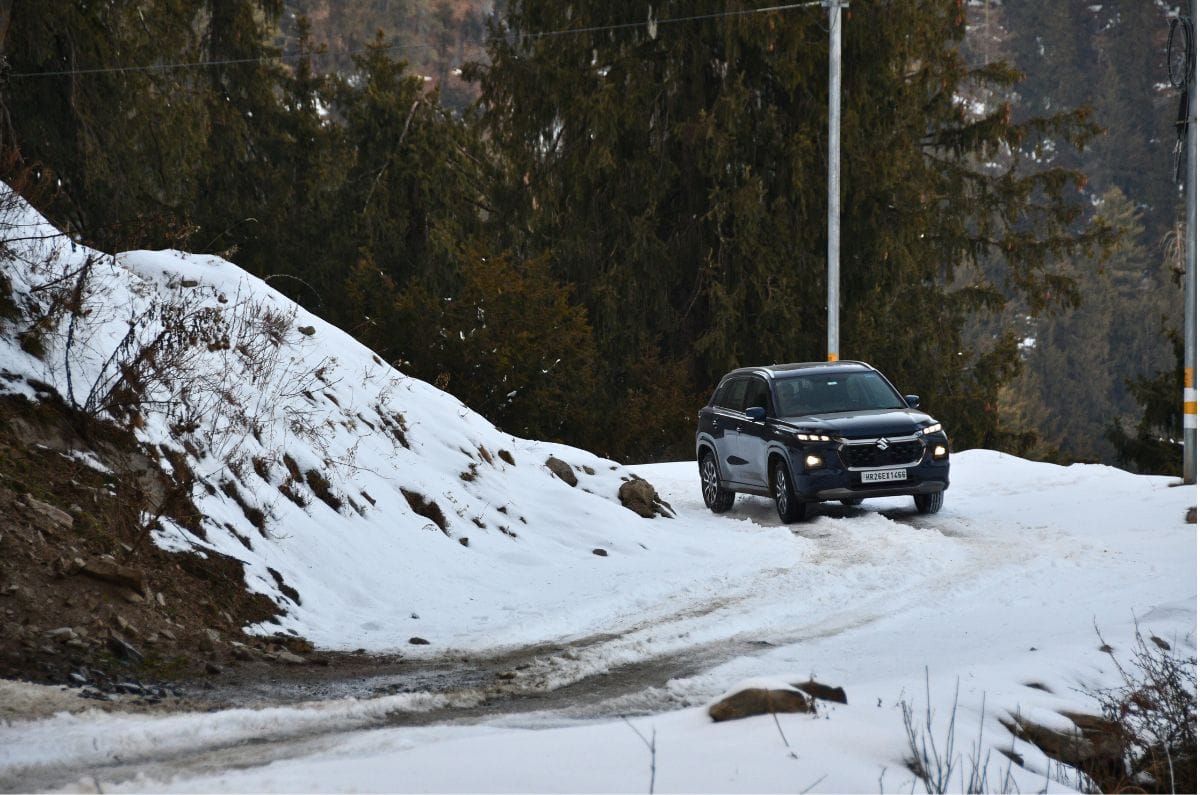
When driving on snowy surfaces, the most basic instruction is knowing how to use the pedals. Acceleration, braking, and steering need to be done gently to avoid sudden loss of stability and traction. Keep away from sudden changes in direction, especially while turning, to maintain a stable driving experience. Moreover, while turning, brake gently at a safe speed and only then accelerate after exiting the corner.
3. Maintain a safe distance from the car ahead of you.
When driving on highways or especially in traffic, keeping a safe distance from the car in front of you is crucial. But in winter, the distance here needs to be longer, so in sudden stopping conditions, there’s a buffer space to prevent rear-ending.
4. Use your car lights wisely.
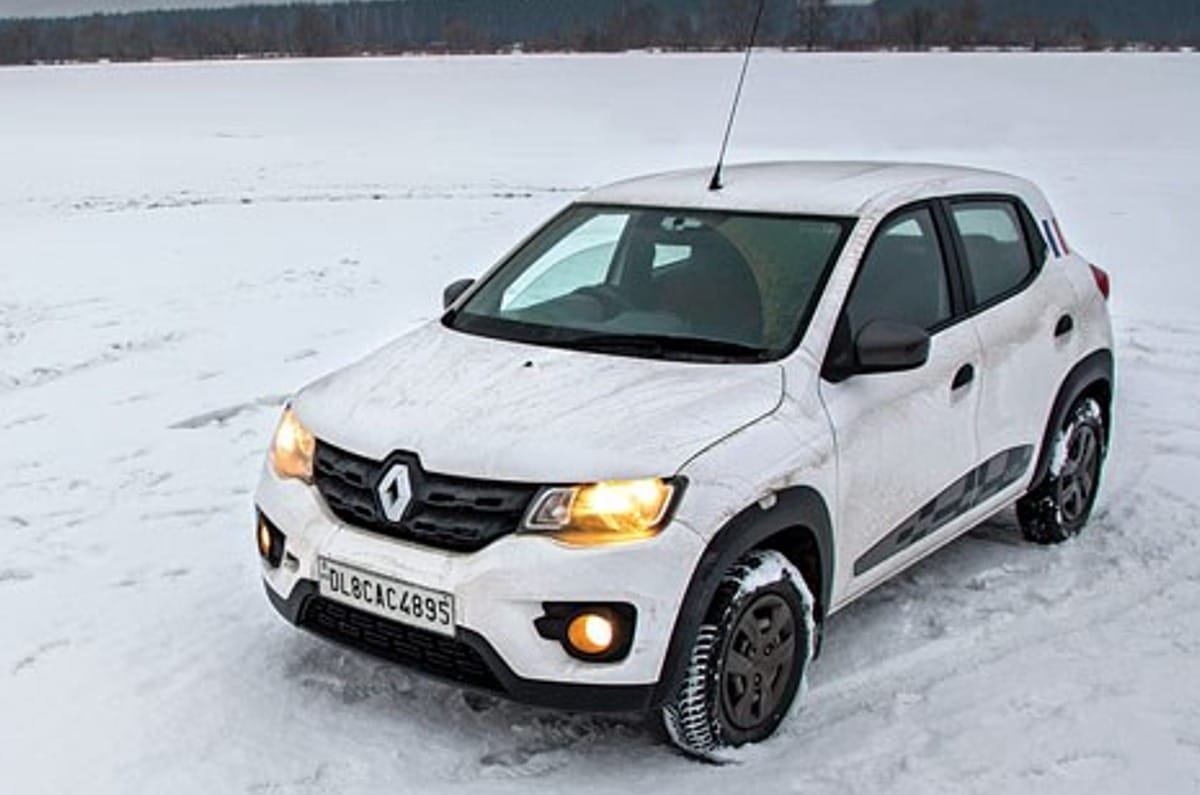
Car headlights need to be low beam, as using a high beam will create reflections on the fog, which strains your eyes. Using fog lamps is needed to safely navigate in such conditions. Make sure the taillights of your car work and respond promptly under braking, since they’re the only indication for the driver behind you that you are braking the car. Hazard lights, on the other hand, only need to be used in emergencies and not while driving.
5. Defogger and wiper usage
The defogger and windshield wipers are immensely useful for keeping your vision intact during winter conditions. When driving, switch to defogger mode via a physical knob or button. Turn on your AC and set it to the highest temperature possible, and switch off air recirculation. Turn the blower speed to the fastest setting initially and then reduce it accordingly to maintain clear vision. Wipers, on the other hand, need to be used until the ice on the windscreen has been defrosted through the defogger.
6. Do not drive on shiny road surfaces
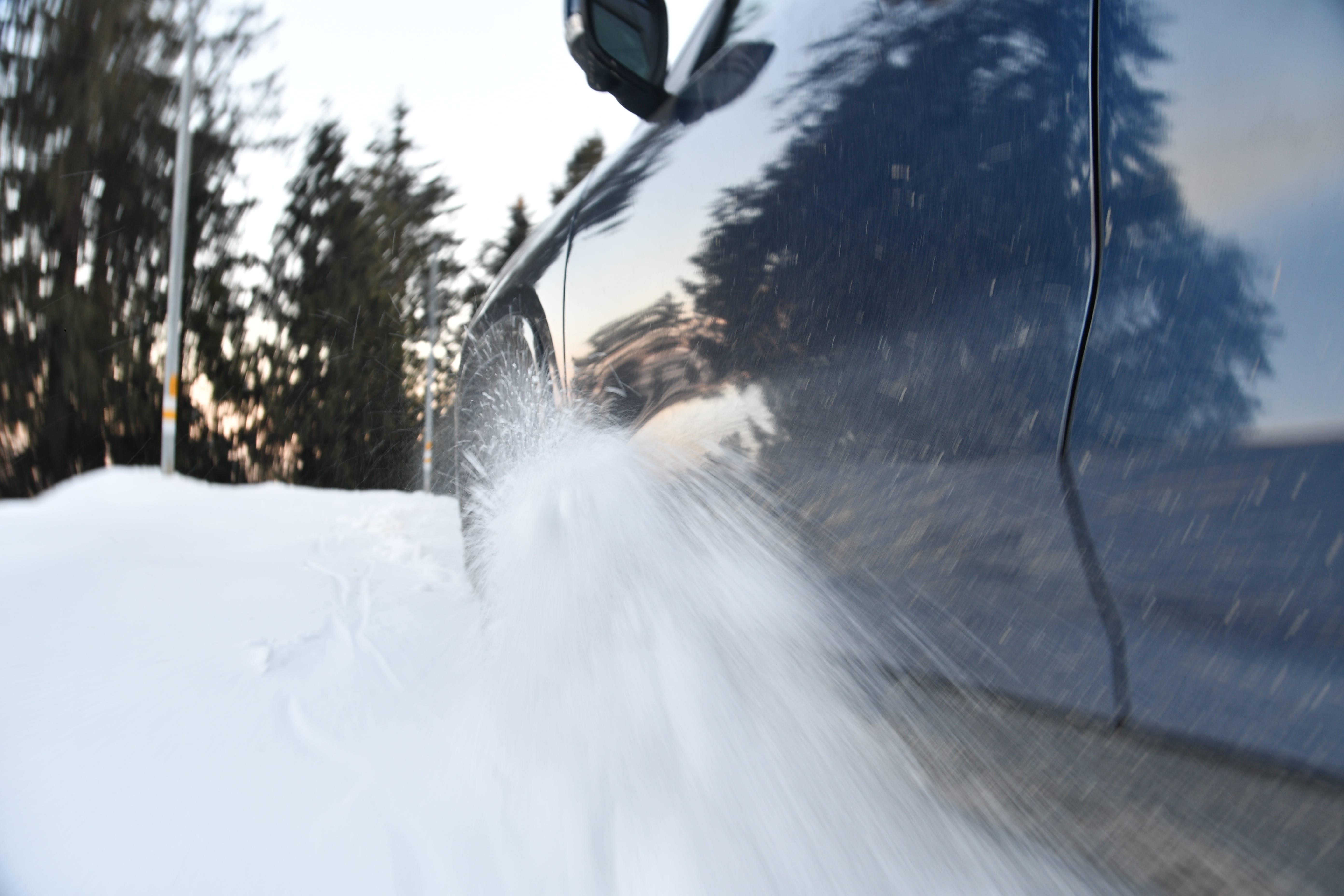
Some road surfaces in India come with ‘black ice’ formations, which are a thin layer of ice that forms due to the melting and refreezing of water. Although they may be hard to spot, keep an eye out for and steer clear of road surfaces that appear to be shiny.
7. Skid your car? Here’s what you need to do
If your car does skid over a bad patch, however, here’s what needs to be done: stay calm first, look in the direction that you need to go, and then steer your vehicle toward the direction of the skid. For instance, if your vehicle’s rear end skids to the left, turn the steering toward the left.
8. Driving uphill/downhill.
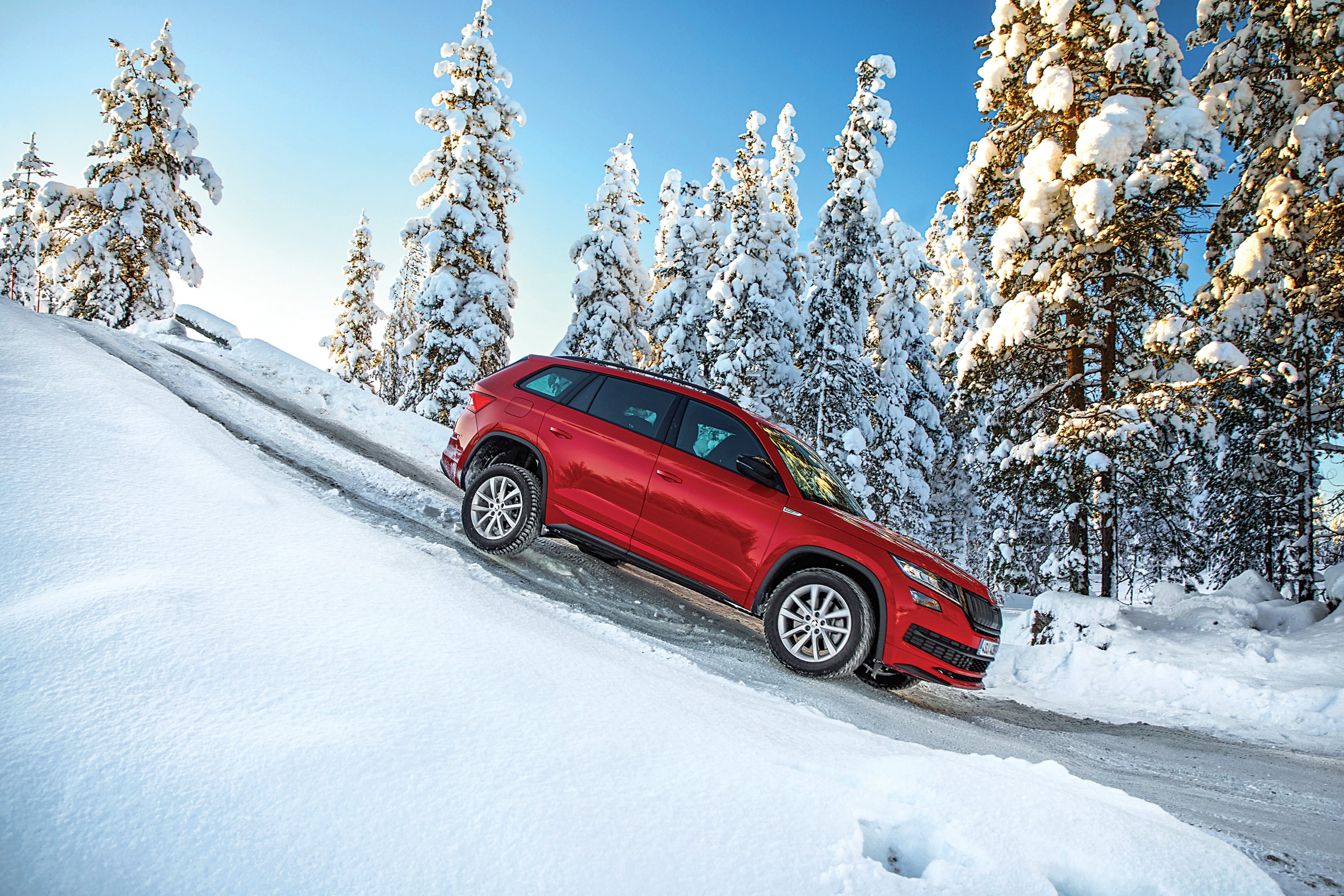
When driving uphill, go at a steady speed to avoid your wheels from skidding, and most importantly, do not come to a standstill. Since regaining uphill momentum from a standstill is difficult. When driving downhill, use engine braking to control speed and brake sparingly. With a manual or an automatic gearbox with manual control, staying in a lower gear helps. Some automatics come with modes that avoid upshifting. The brakes may overheat or malfunction if you use them too hard or feather the brake pedal.
9. Avoid using driving aid features
Using ADAS and cruise control in the winter poses a risk since driver assistance systems are not built for driving on snowy roads. One is dependent on the system when using the feature; driver attention and reaction times take a hit. Moreover, sudden ADAS interventions like braking would cause your car to skid or affect other motorists.
10. Use snow mode
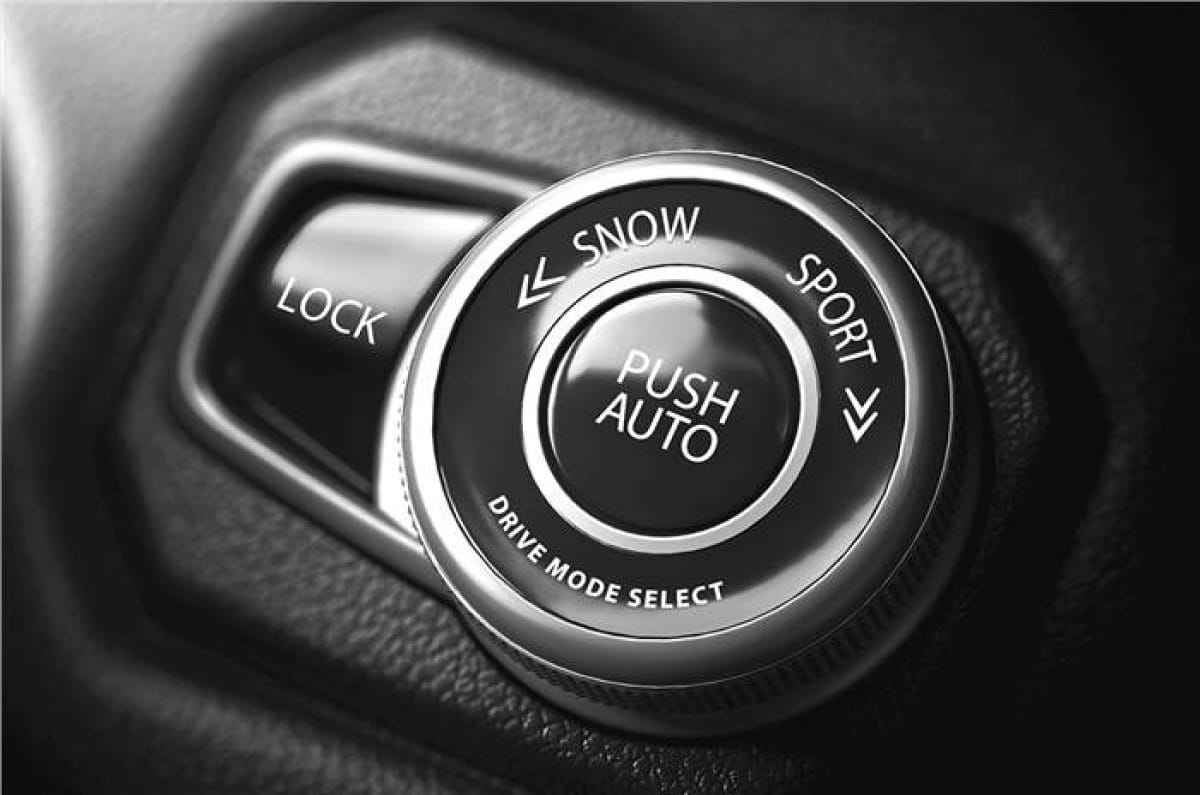
Some modern cars now come with snow/winter mode for the engine, which is useful, since torque is kept within limits, and it gently feeds in power to the vehicle. Some automatic gearbox-powered cars also come with a snow mode that prevents wheelspin by starting the car in a higher gear.
Also see: