


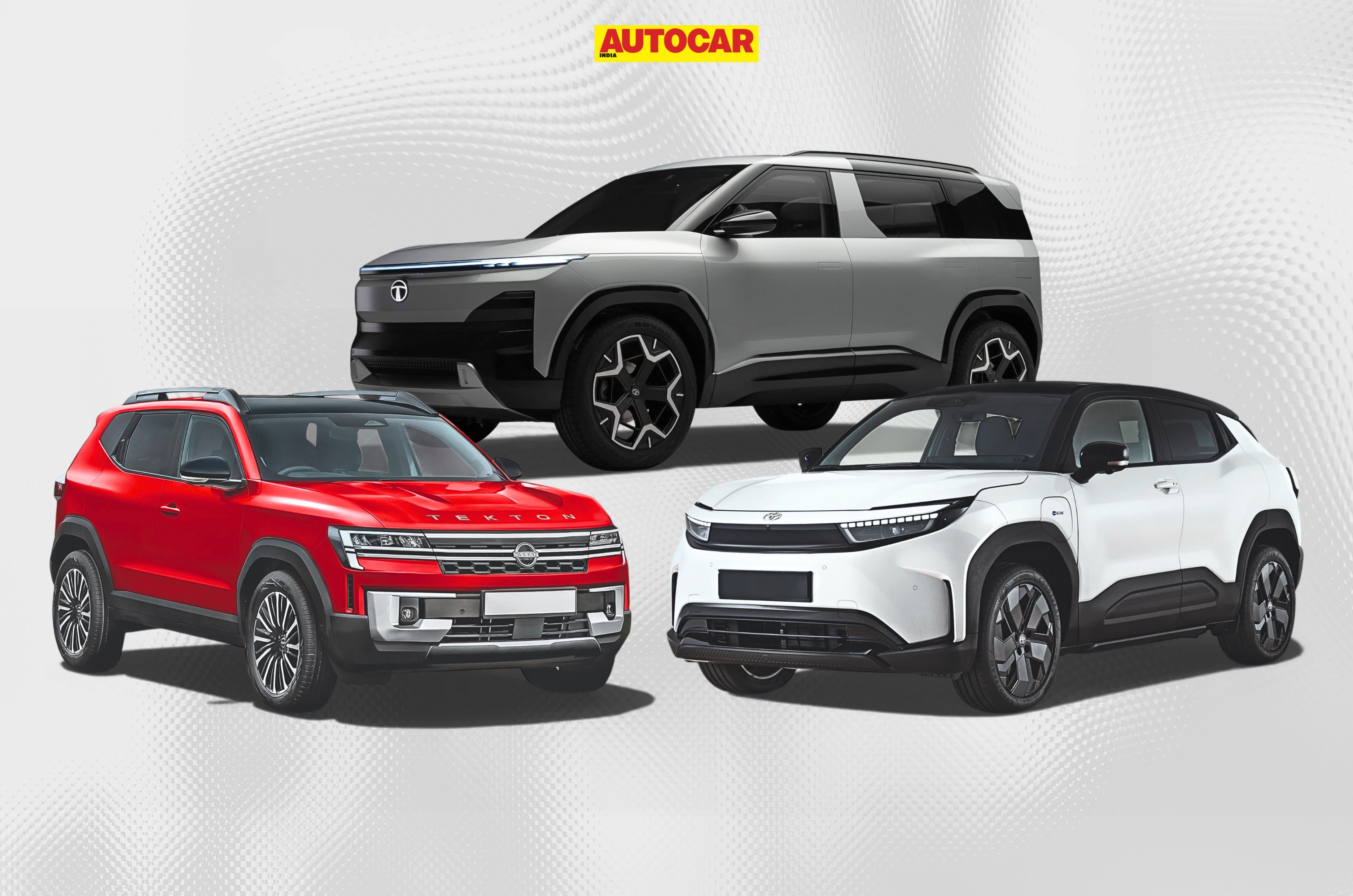
Last year saw the already competitive midsize SUV segment grow even more crowded with the launch of the reborn Tata Sierra, and just earlier this month, Kia announced prices for the second-gen Seltos. With four all-new cars, three facelifts, and an all-electric version of an SUV currently on sale coming in 2026, there’s going to be a whopping 18 midsize SUVs to choose from across powertrains, suggesting this is the year of the midsize SUV. Interestingly, six of the eight cars listed here are badge-engineered twins, which highlights how carmakers are trying to build economies of scale, and in turn profits, in this fiercely competitive segment. We tell you what to expect from the upcoming models.
Renault Duster and Nissan Tekton
Both SUVs are expected to be priced in the Rs 11 lakh-19 lakh window.
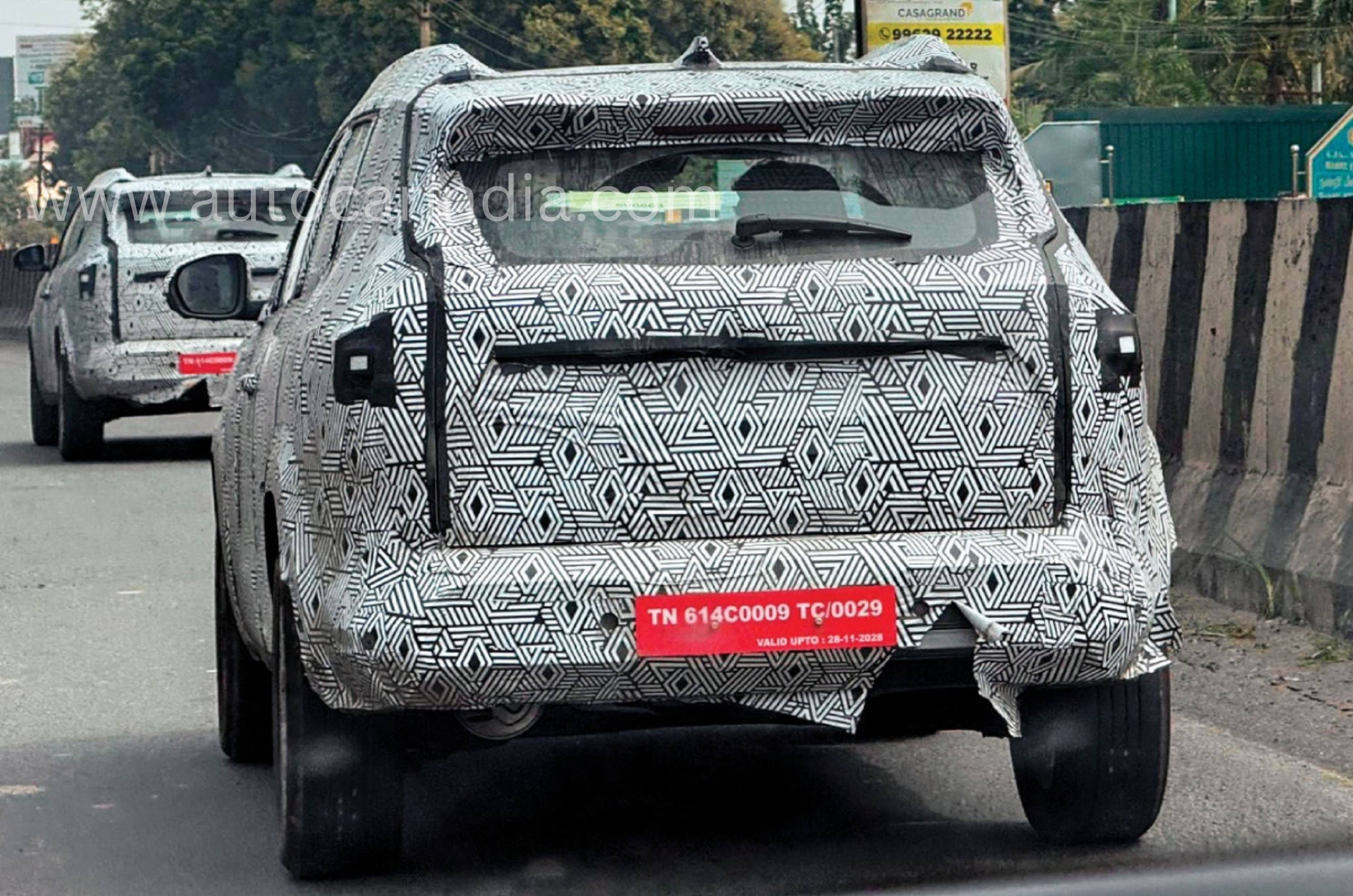
Three years after the Renault Duster was discontinued, the nameplate will return to India on January 26. While the previous Duster was based on the M0 platform, the new third-gen Duster will be based on the CMF-B platform that Renault has localised for production in India. Internationally, the third-gen car is available as a Dacia as well as a Renault, but it is understood that the India model will have different styling, interior design and finish. The company began its teaser campaign, and the SUV has been spied testing on our roads. Test mules and teasers show sleek headlights with eyebrow-shaped LED DRLs, C-pillar-mounted door handles, and LED tail-lights linked by a central light bar. Further, a 360-degree camera and an ADAS suite will be a part of the features list.
e expect the 156hp 1.3-litre ‘HR13’ turbo-petrol engine as well as Renault’s 1.0-litre turbo-petrol mill, albeit in a higher state of tune, to power the Duster in India. A hybrid is planned, but it will not arrive this year. Expect prices between Rs 11 lakh and Rs 19 lakh.
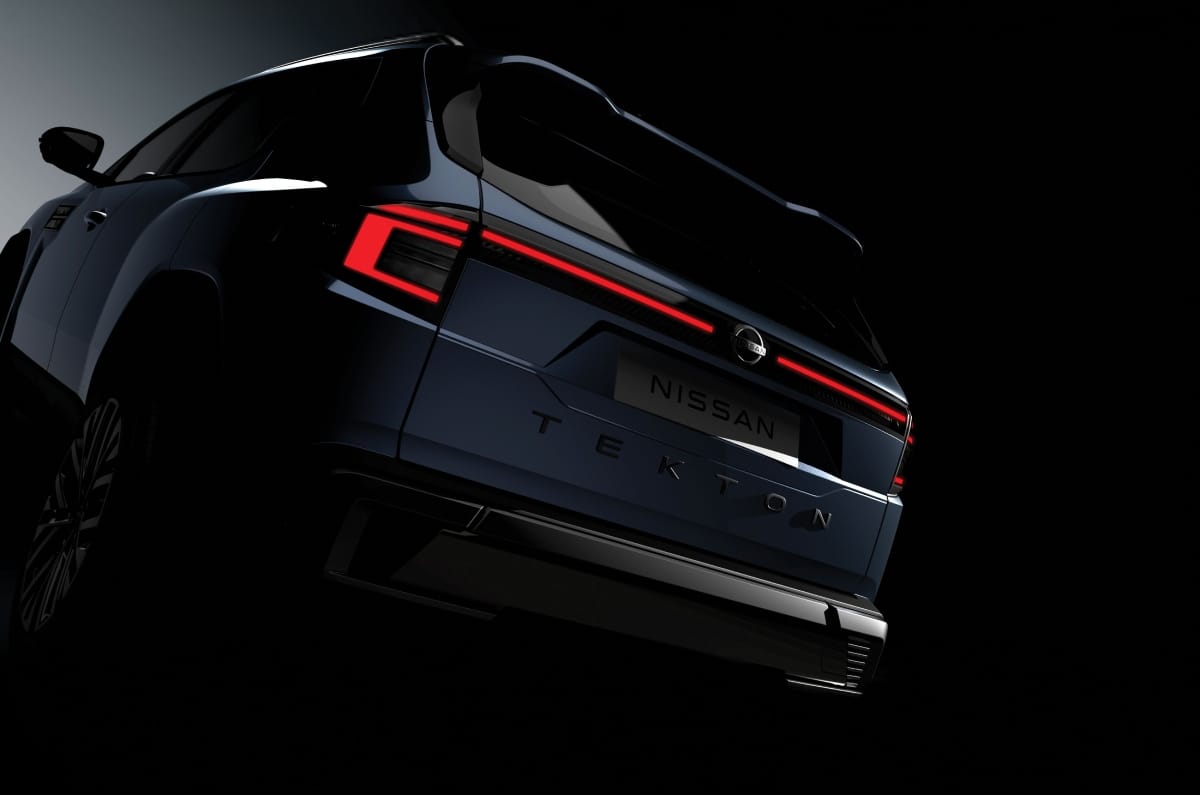
Also due is Nissan’s badge-engineered version of the Duster – Tekton – that will be revealed on February 4 and launch by March. From Nissan’s teasers, one can see that the Tekton’s design elements like the front grille, the C-shaped LED DRLs and connected LED tail-lights are inspired by its flagship Patrol SUV. Inside, a dual-tone cabin with a gloss-black trim on the centre of the dashboard, along with copper-coloured inserts have been seen. The Nissan Tekton will share its engine options with the Duster and prices are set to overlap as well.
Honda Elevate facelift
It is expected to be priced in the Rs 11.5 lakh-17 lakh bracket.
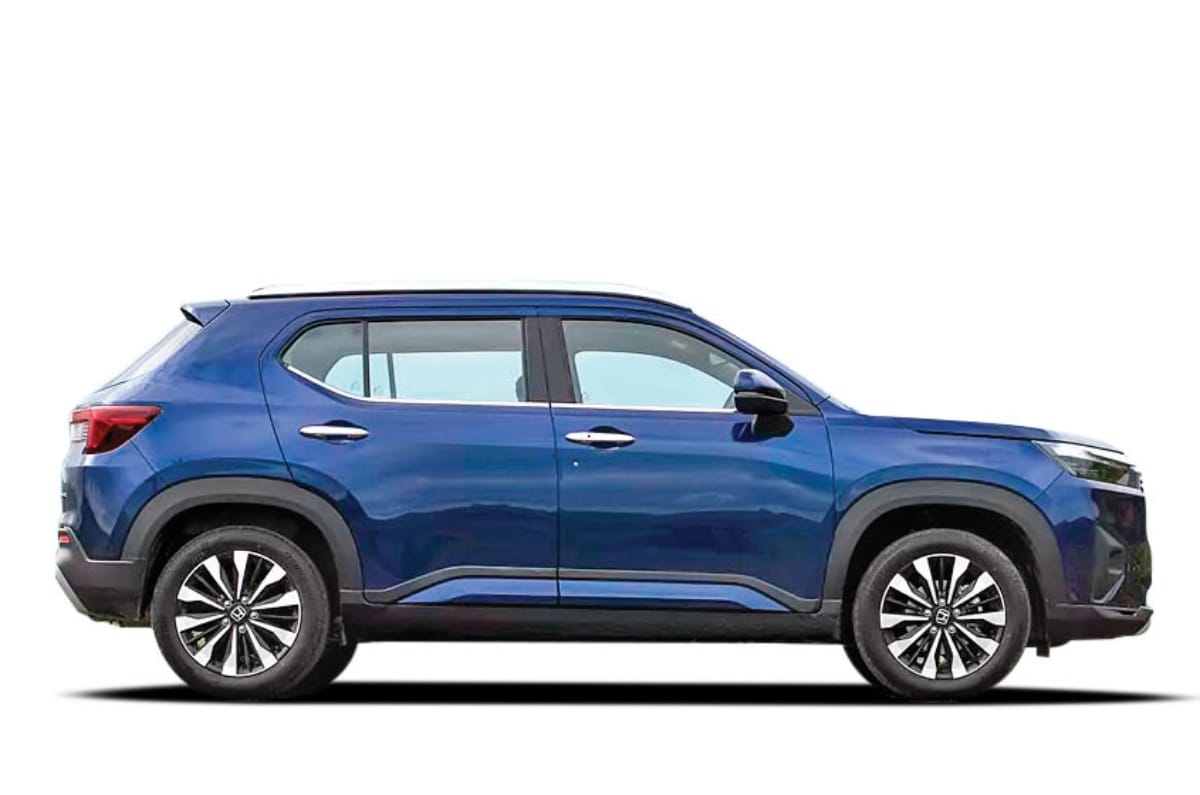
The second half of the year will see the Honda Elevate facelift arrive – about three years after the model first launched in India. In a bid to stay relevant in the burgeoning segment, Honda is expected to give the Elevate a redesigned front and rear end, along with a refreshed dashboard and updated upholstery on the inside. The SUV is also expected to receive a longer features list. The 1.5-litre naturally aspirated petrol engine will continue unchanged, as will the CVT and manual gearbox options. Honda has confirmed it is considering localising strong-hybrid powertrains, such as the unit seen in the City e:HEV; however, the upcoming Elevate will not gain that setup. Prices for the petrol-powered Elevate facelift are expected to be marginally higher than the outgoing model, which has a Rs 11 lakh-16.47 lakh price tag.
Skoda Kushaq and Volkswagen Taigun facelifts
Kushaq facelift’s estimated price range is Rs 11 lakh-19 lakh; Taigun facelift expected to cost between Rs 12 lakh-20 lakh.
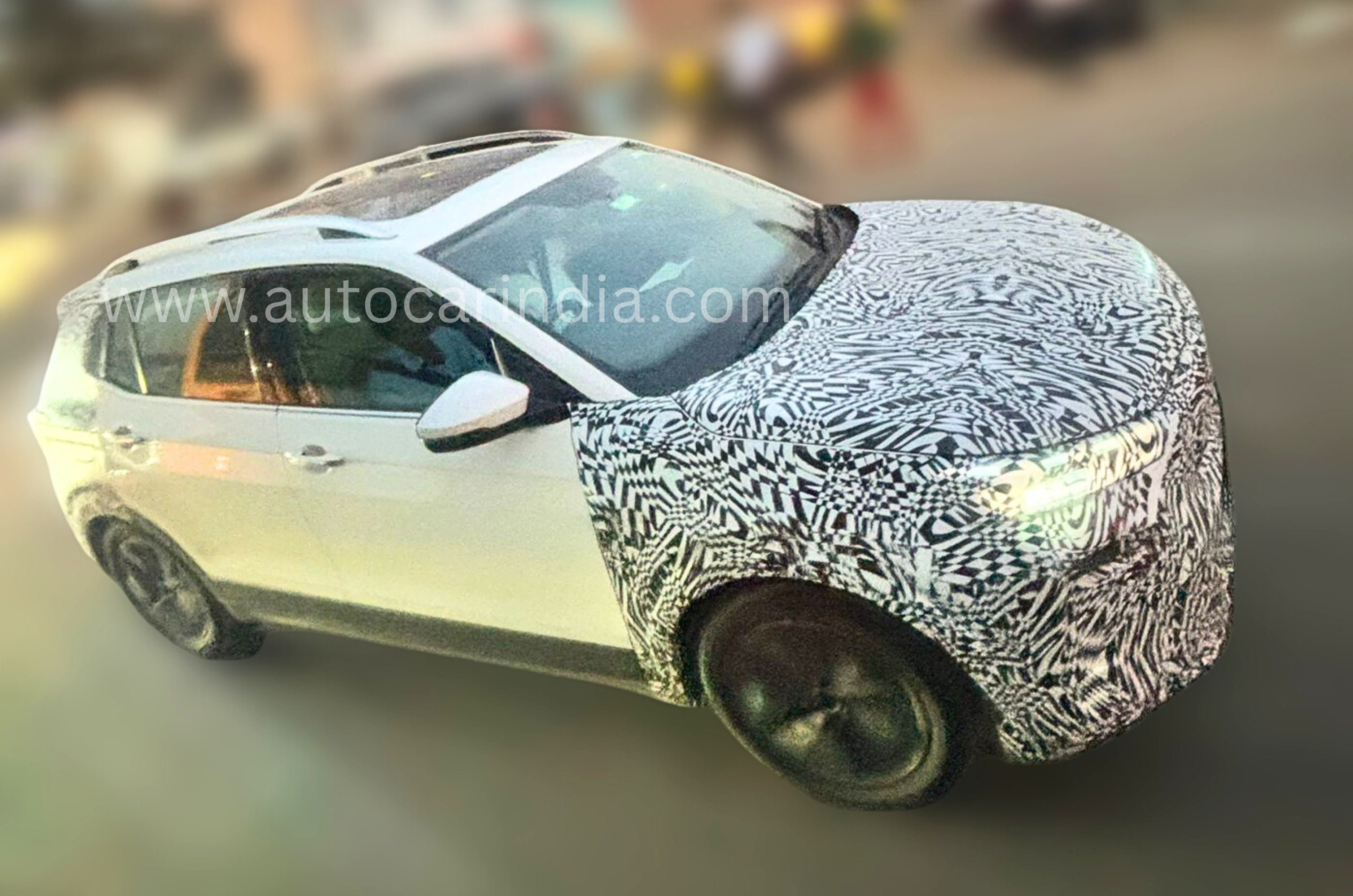
Skoda and VW’s midsize SUVs have been on sale since 2022, and both are due for an update, with the Kushaq preceding the Taigun by a few months. Spy shots of the Kushaq facelift – expected to launch later this month – suggest a redesigned fascia with full-width LED light bars and redesigned front and rear bumpers. Other confirmed details include a panoramic sunroof, ADAS and a 360-degree camera, along with segment-first rear seats with a massage function. A similar list of feature updates and design tweaks are expected on the yet-to-be-seen Taigun facelift.
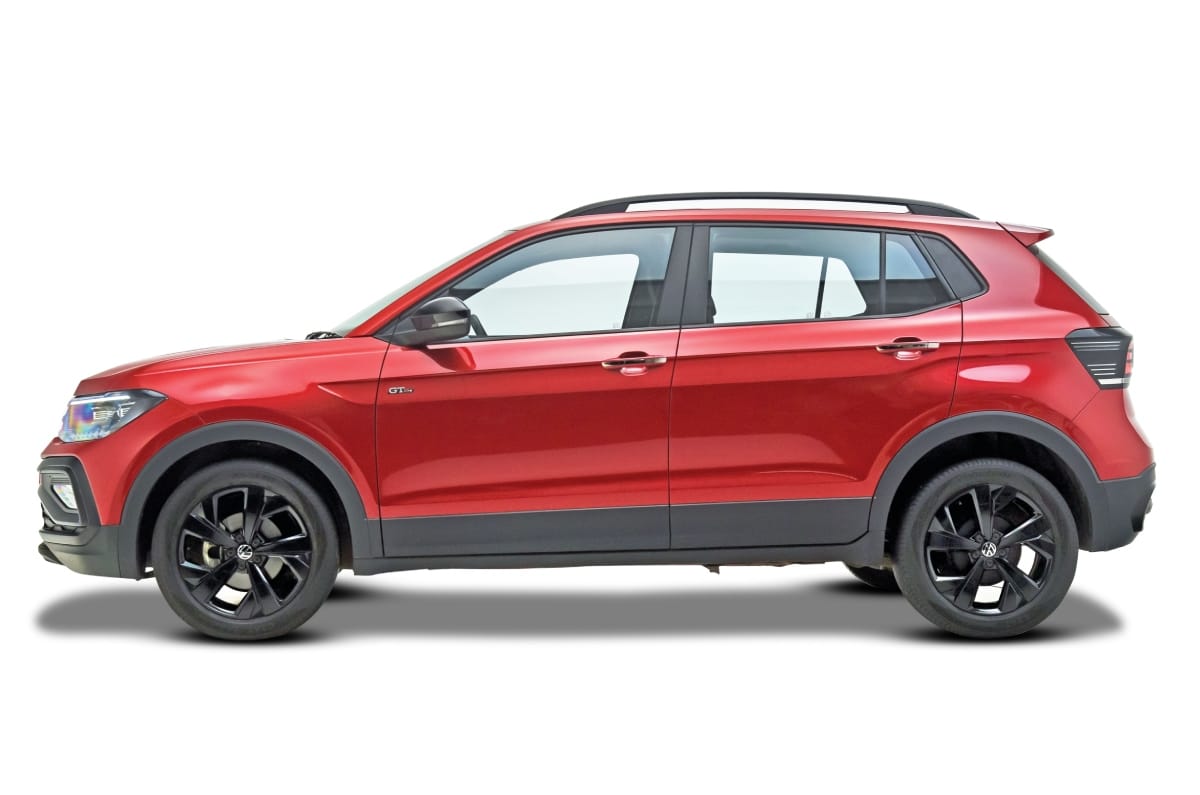
Both European midsize SUVs are expected to retain the 1.0-litre and 1.5-litre turbo-petrol engine options along with their respective gearbox options; the smaller motor offering a 6-speed manual as well as a 6-speed torque convertor automatic, while the larger 1.5-litre unit is paired with a 6-speed manual and a 7-speed dual-clutch auto. Prices for both models will be hiked from the current Rs 10.66 lakh-18.49 lakh for the Kushaq and Rs 11.42 lakh-19.19 lakh for the Taigun.
Toyota Urban Cruiser EV and Maruti e Vitara
Both eSUVs are ere expected to cost around Rs 18 lakh-25 lakh.
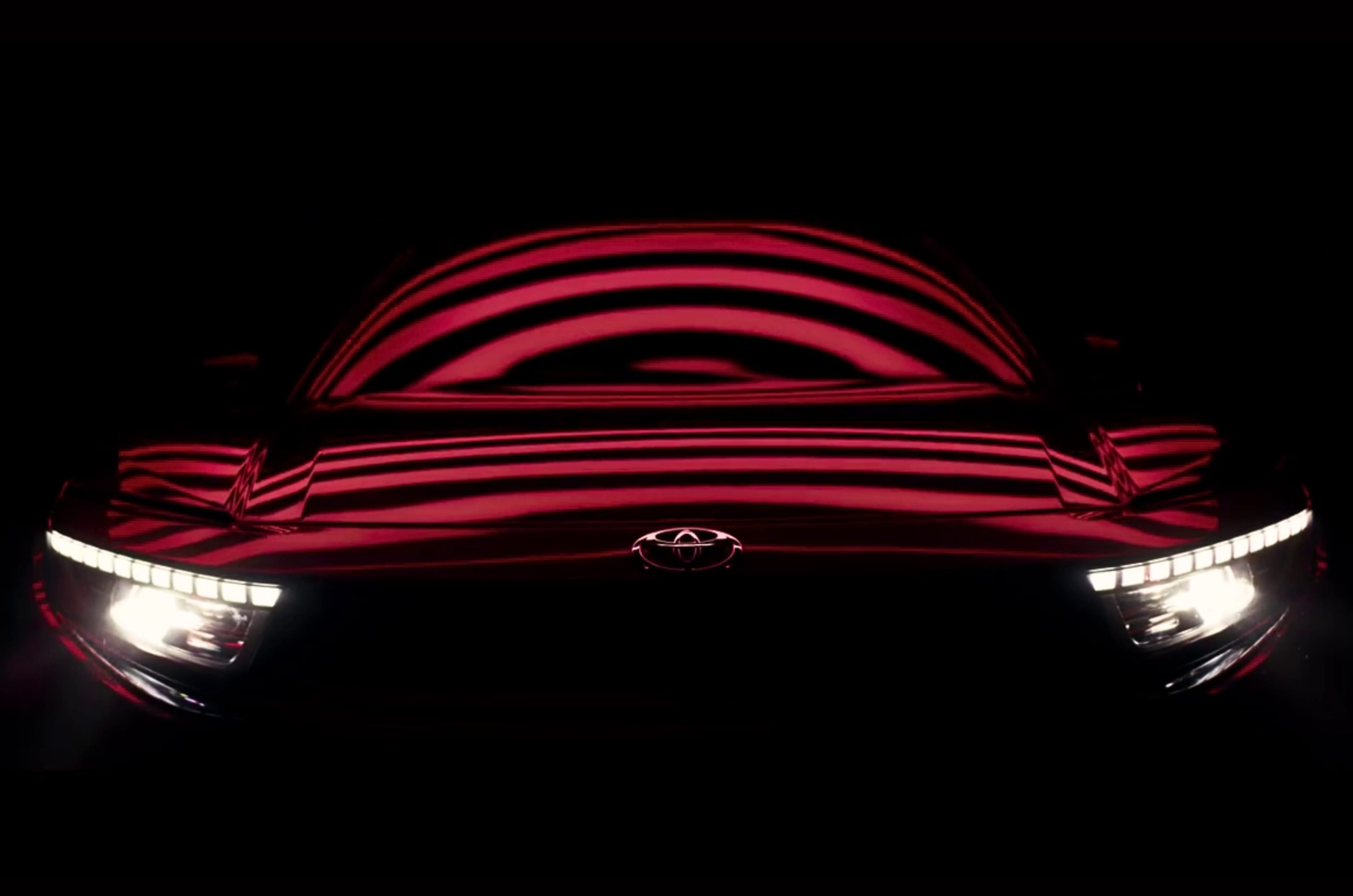
Another set of badge-engineered twins from the Toyota-Suzuki partnership are the all-electric Urban Cruiser EV and the e Vitara. The two eSUVs share the front-wheel-driven 144hp and 174hp powertrain options, which are powered by either a 49kWh or a 61kWh battery. Toyota’s and Maruti’s first EV for India is expected to have the same ARAI range figures; the e Vitara ‘s larger battery pack can go a claimed 543km on a single charge. Visually, however, Toyota’s version of the EV bears differences – at least from the front – with slimmer headlights connected by a chrome band and a neat-looking bumper with two vertical air vents at the edges. On the other hand, the profile and rear of the two eSUVs are basically the same. So far, Maruti has revealed nearly all details of the e Vitara other than the price, while the India-spec Urban Cruiser EV will be revealed in full on January 19, though prices are expected to be announced by March. When the Toyota EV arrives, prices are expected to be in the same ballpark as the Maruti EV.
Tata Sierra EV
It is expected to be priced between Rs 16 lakh and 25 lakh.
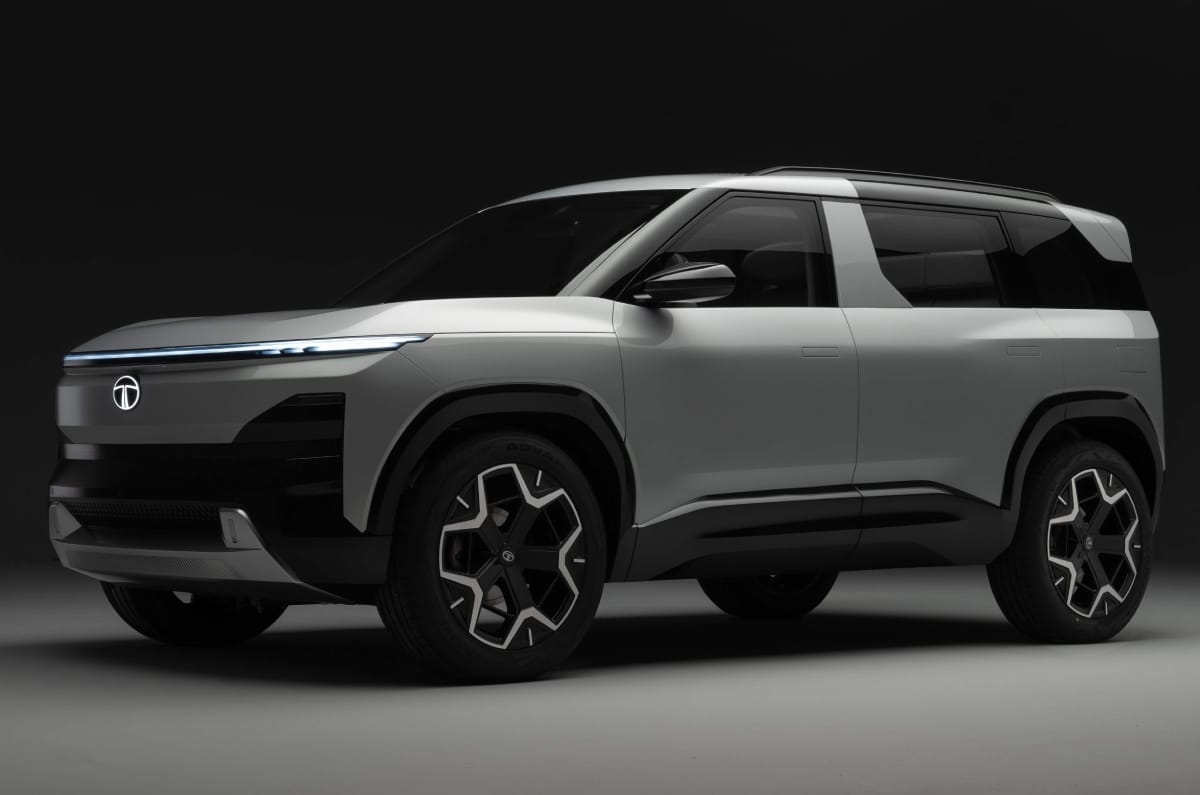
The all-electric version of the Tata Sierra will join the burgeoning electric midsize SUV segment to take on the above mentioned Maruti and Toyota EVs, along with the likes of the Mahindra BE 6, Hyundai Creta Electric and MG ZS EV. Prices for the Sierra EV are expected to be announced by March this year, and, interestingly, it’ll be the first in its class to offer an all-wheel drive (AWD) version; the lower trims will be rear-wheel driven. While battery and powertrain details are yet unknown, the Tata Sierra EV is likely to get the higher-spec Curvv EV’s 55kWh pack and the lower-spec Harrier EV’s 65kWh unit. In terms of desgn, the EV’s styling is largely the same, but it does get a unique front fascia with a blanked-off grille.