


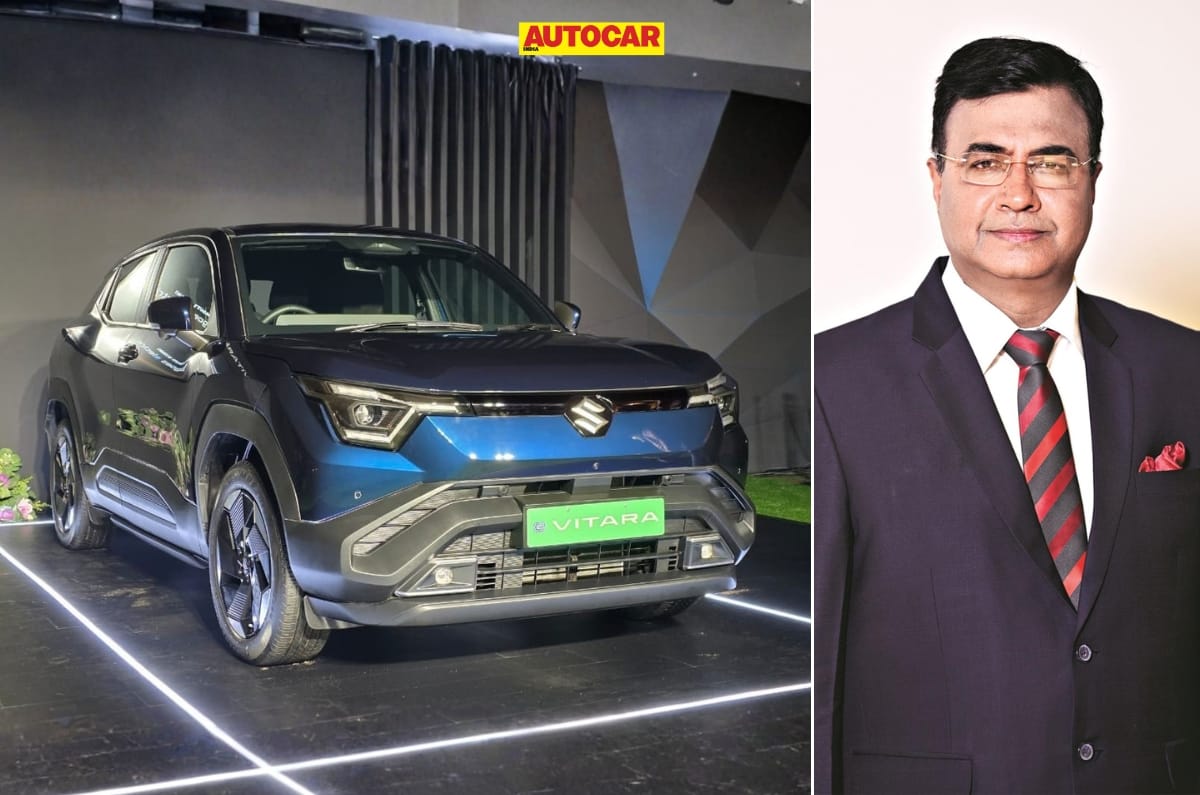
Maruti Suzuki’s much-anticipated e-Vitara showcase generated plenty of buzz, but as the event unfolded, it became clear the company was once again holding back that one crucial piece of the puzzle — price. Since Maruti first announced its EV plans, the Indian market has seen a wave of well-priced electric SUVs arrive, and it appears the carmaker has been reassessing its strategy. At a roundtable discussion, Partho Banerjee, Senior Executive Director – Marketing & Sales, offered a strong defence of Maruti’s measured approach and late entry into the EV space.
- Maruti has already established over 2000 public chargers across 1100 cities
- E Vitara will also be available under the Battery-as-a-Service (BaaS) model
- Maruti has readied over 1500 workshops and 1.5 lakh personnel to support its first EV
What’s holding up the Maruti e Vitara launch?
Maruti Suzuki may be late to India’s EV race, but the country’s largest carmaker insists it hasn’t been idle. According to Banerjee, the company’s timing is deliberate — driven by ecosystem readiness rather than early launches — and importantly, without any fixation on leadership titles.
“We are not chasing the number one position,” he says. “First, we want to bring confidence to customers. The rest will follow.”
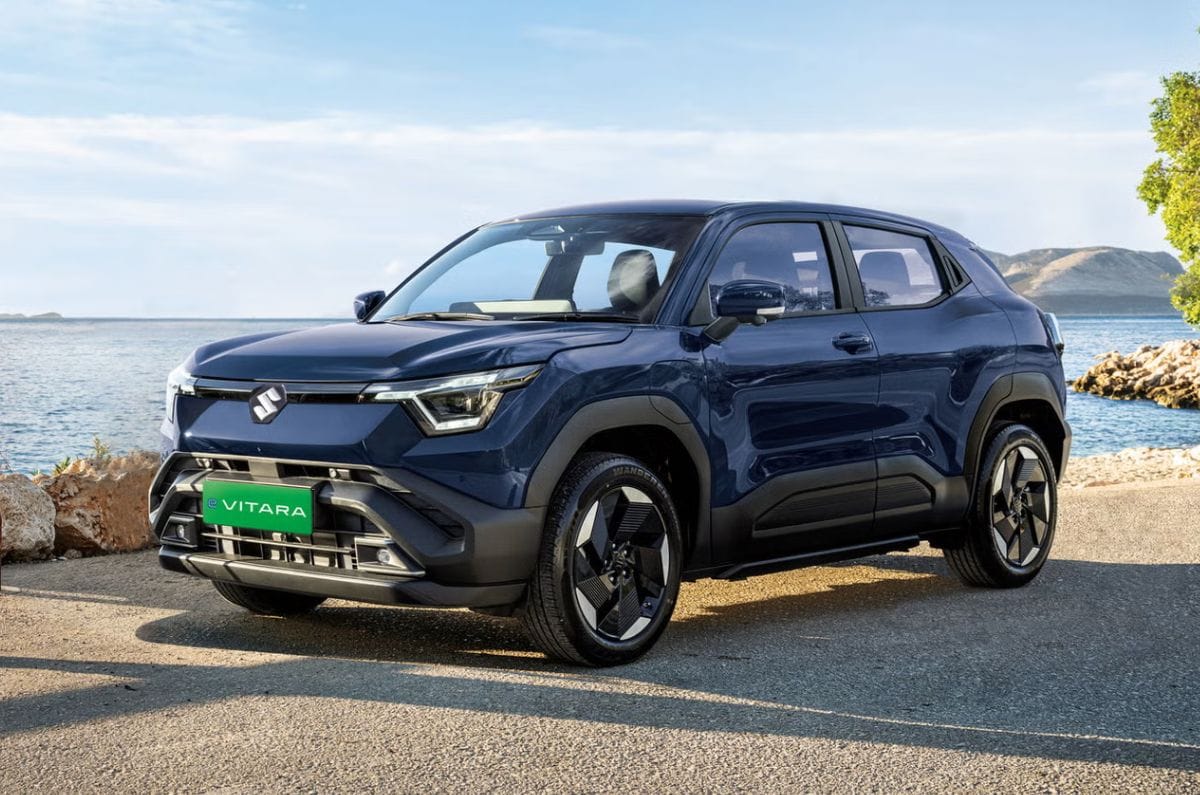
The upcoming e-Vitara, already on sale in the UK and set to launch in Japan, will be Maruti Suzuki’s first electric SUV for India. Banerjee says the brand wanted charging infrastructure, service preparedness and customer confidence in place before rolling out the product.
To that end, Maruti Suzuki has tied up with 13 charging point operators and aggregators, giving EV owners access to public chargers across networks through a unified interface. The company already has over 2,000 exclusive charging points across more than 1,100 cities, supported by partner-operated public chargers. By 2030, it aims to give customers access to over 1,00,000 public charge points.
How prepared is Maruti for its first EV launch?
The backbone of this ecosystem is the ‘e for me’ app, which allows users to locate chargers, pay via UPI or Maruti Suzuki Money, tap-and-charge at dealerships, operate home chargers and mirror charging information on the infotainment system.
Maruti Suzuki has also readied its backend: over 1,500 EV-ready workshops across 1,100 cities and nearly 1.5 lakh trained personnel to support electric customers.
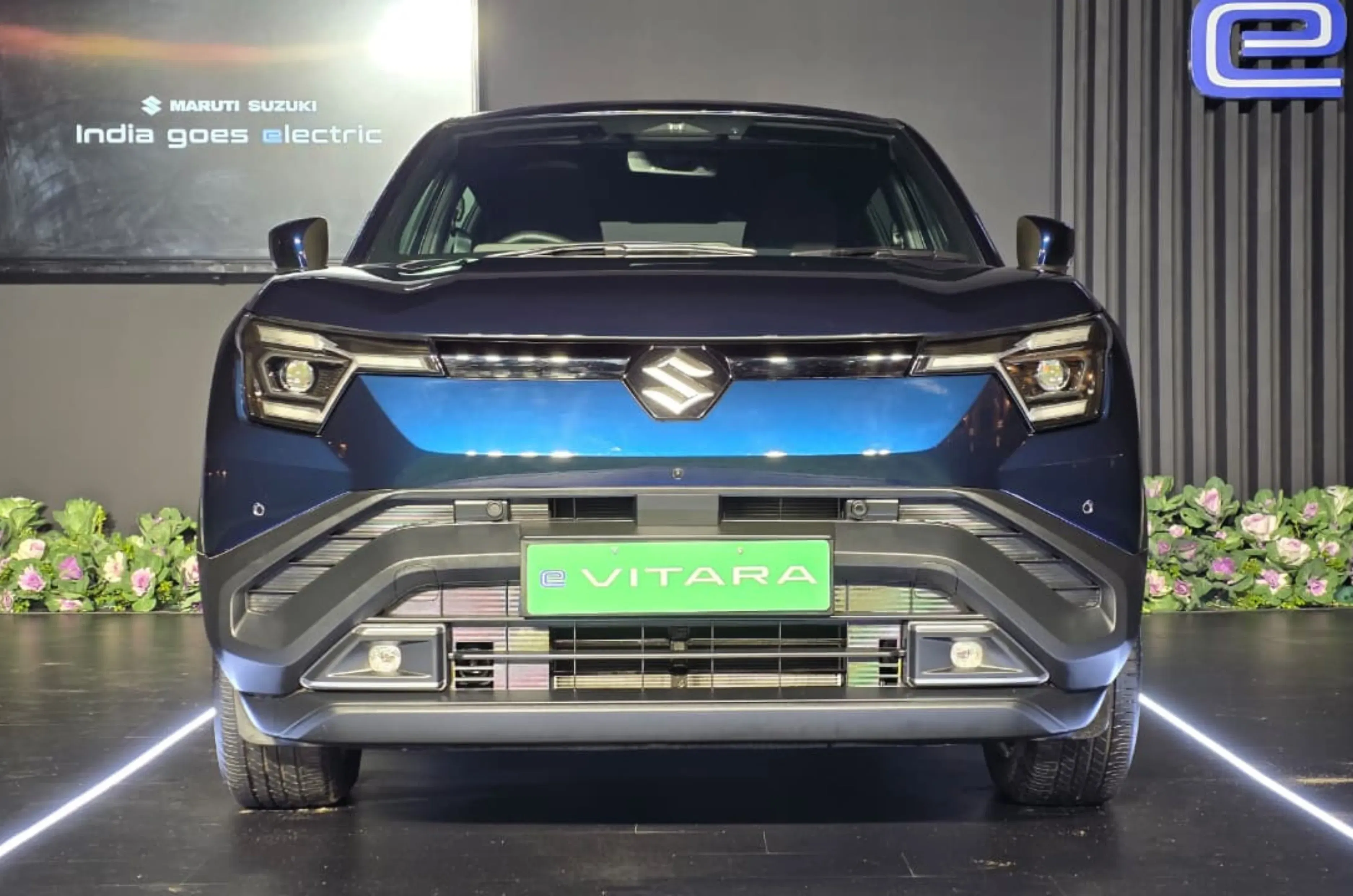
The e-Vitara itself has secured a 5-star BNCAP rating, and while Maruti originally quoted a 500km target, the SUV is now ARAI-certified at 543km. A Battery-as-a-Service (BaaS) model will be offered as an option, with details to be announced closer to launch.
“We might be late,” Banerjee says, “but when we come, we will come with a roar.”
Whether that roar resonates with customers, however, will depend on how convincingly Maruti Suzuki delivers when the e-Vitara finally gets its price — and its moment of truth.
Also See: