


When the discussion around greenhouse gases from the transport sector really got going years ago, it was often said that the quickest way to reduce CO₂ emissions was not to change the powertrain technology, but the fuel.
Introducing a new model from scratch takes several years. Then add to that the ongoing debate as to which alternative to the internal combustion engine is best in the long term, and the changeover period extends to decades.
Some inroads have been made by blending biofuel with petrol and diesel, but petrol and diesel burned in the UK are still predominantly fossil fuels. Now, though, there is increasing interest in developing fuels for spark-ignition and oil-burner engines that are 100 percent fossil-free.
Called ‘drop-in’ fuels because they can be used without any ill effects or modifications to a car’s engine, they are being approved by a large number of major carmakers for use in their vehicles. Some manufacturers are selective about which of their cars are compatible, and others are approving use on an ‘as-of-now’ basis for new vehicles.
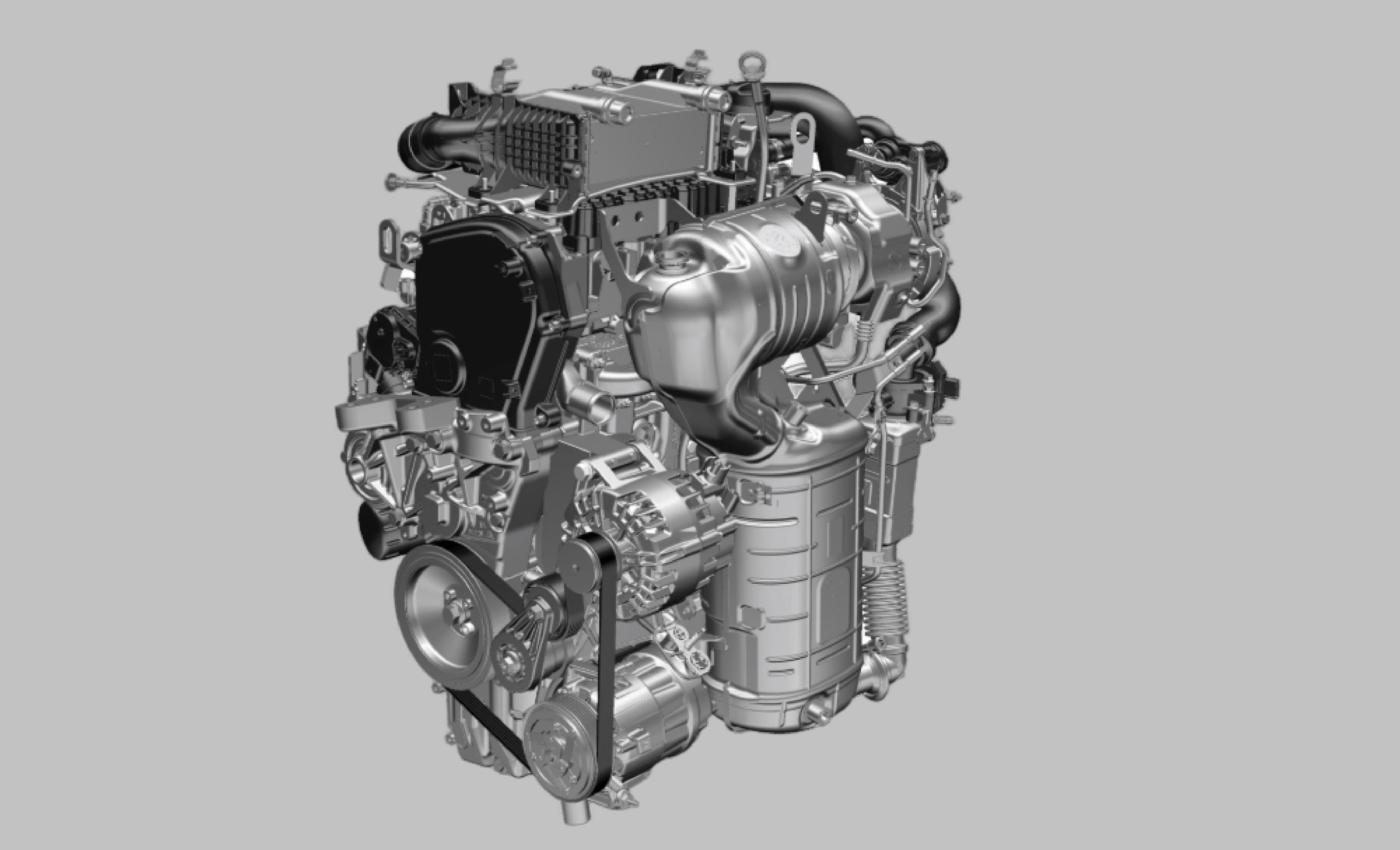
One of the most interesting fuels is HVO100 (HVO being hydrogenated vegetable oil), also known as renewable diesel and a hydrocarbon fuel similar to conventional fossil diesel in that respect. Biodiesel is a different animal, and although it, too, is made from renewable materials, it’s a product of fatty acid methyl ester (FAME). That makes it less compatible, which is why it’s blended in UK fuel in small amounts, generally 7 percent. Last year, Stellantis fully validated its diesel engine range for use with HVO and said many of its Euro 5 and 6 engines were already compatible.
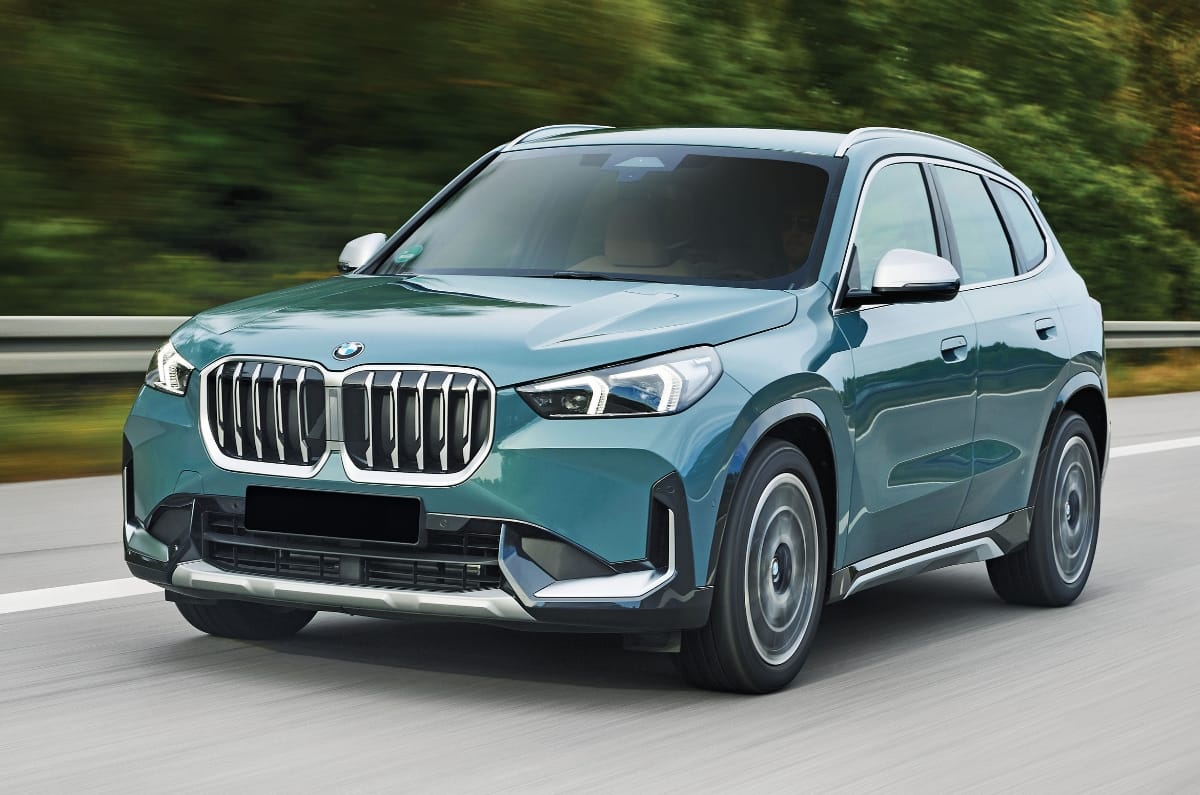
In October, BMW demonstrated to fleet operators how they could reduce the carbon footprint of their fleets by using carbon-neutral fuels as well as EVs. The message to the operators echoed the point at the start of this story: with 250 million vehicles in Europe, their CO₂ footprint could quickly be improved if the proportion of renewable fuel they burn is increased.
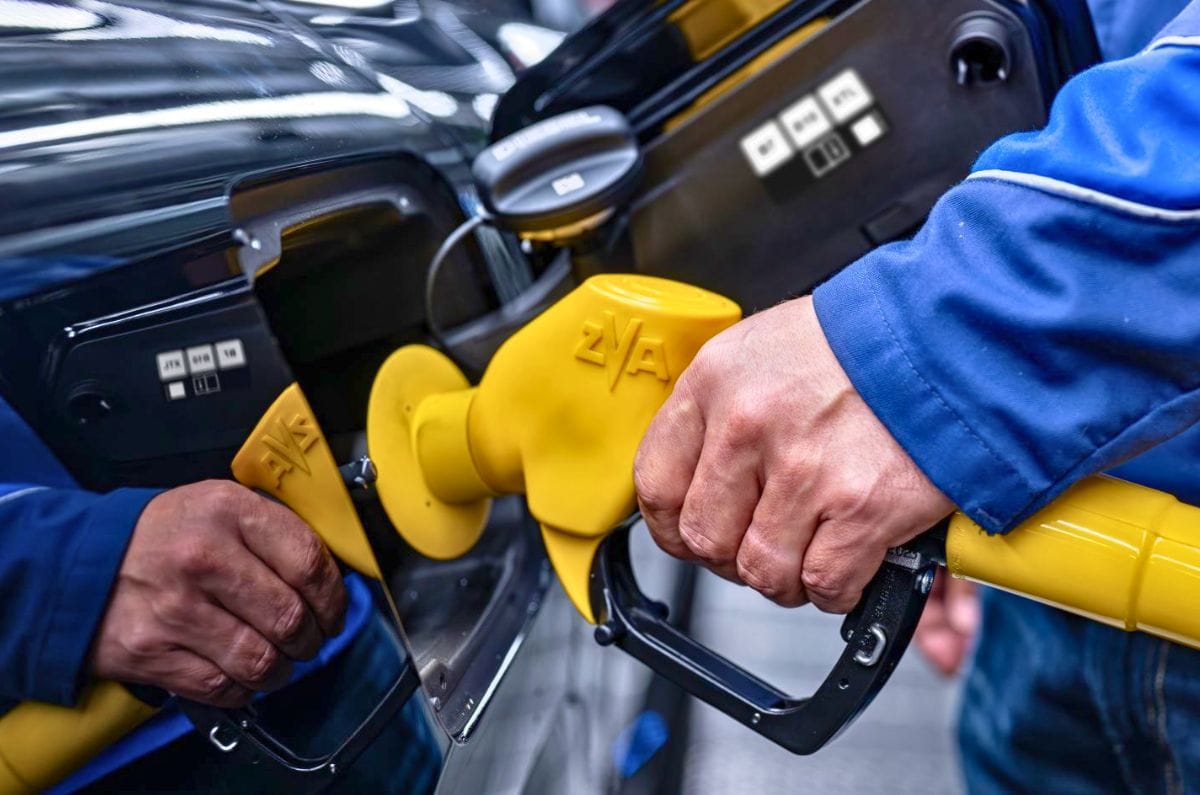
As of January this year, all diesel BMWs produced in Germany are being filled with five to eight litres of HVO100 (depending on the model) before being delivered to dealers. The fuel BMW uses is produced by Finnish manufacturer Neste MY and, on a well-to-wheel basis, gives a 90 percent reduction in CO₂ emissions compared with conventional fossil diesel.
Well-to-wheel takes into account greenhouse gas emissions not only from the fuel being burned throughout a vehicle’s entire life but also from the extraction and production of raw materials, as well as fuel refining and logistics (such as transport) of the raw materials.
BMW has approved all of its diesel passenger cars manufactured from March 2020 for use with HVO100. Many other manufacturers have also certified diesels for use with the fuel, but like BMW, that’s usually conditional on dates of manufacture.