


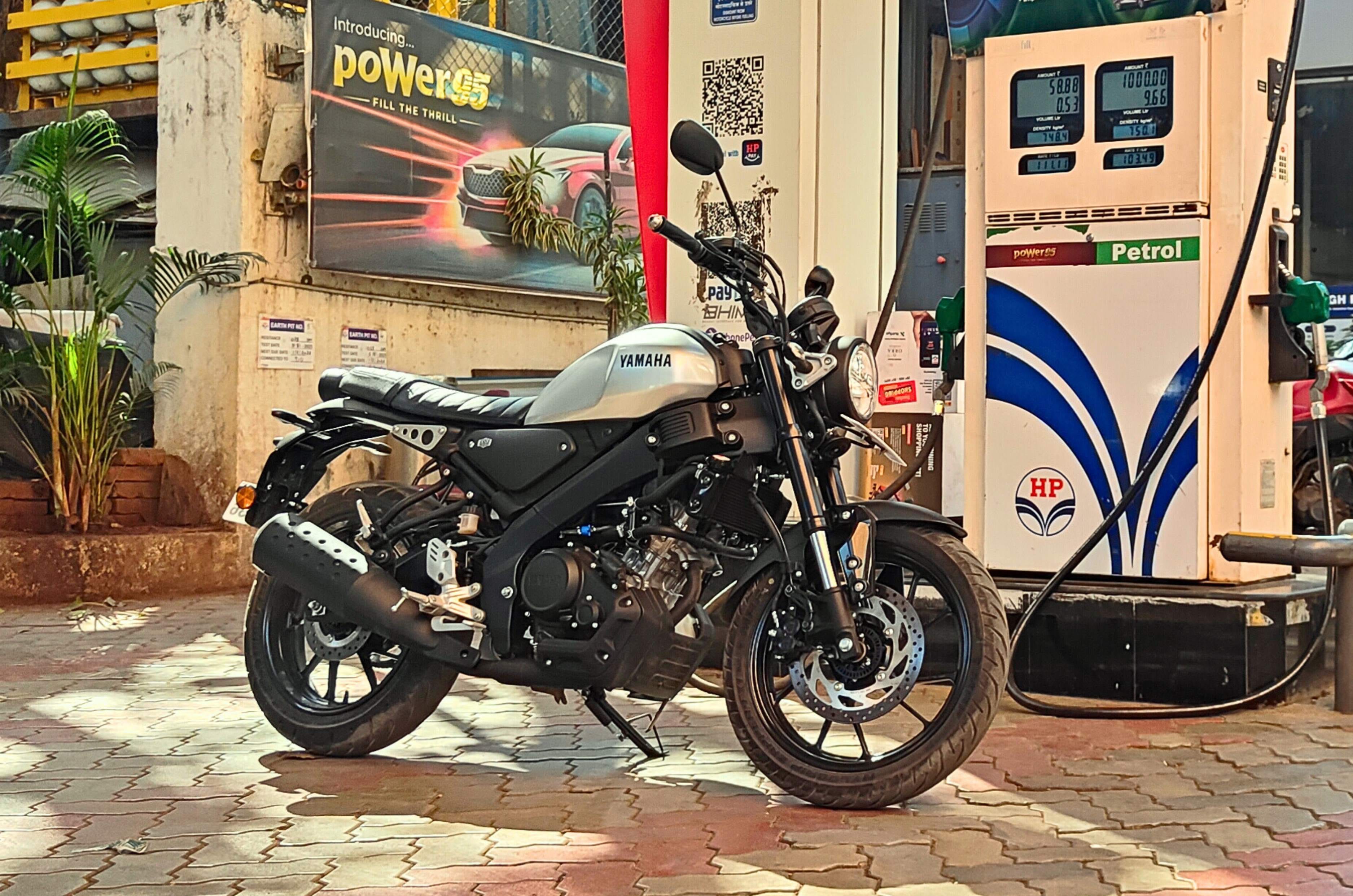
At long last, the Yamaha XSR155 is finally here and we have been able to put the bike through our routine fuel efficiency tests. Here’s how Yamaha’s sporty neo retro fared.
Yamaha XSR155 real world mileage
It averaged more than 50kpl in our tests
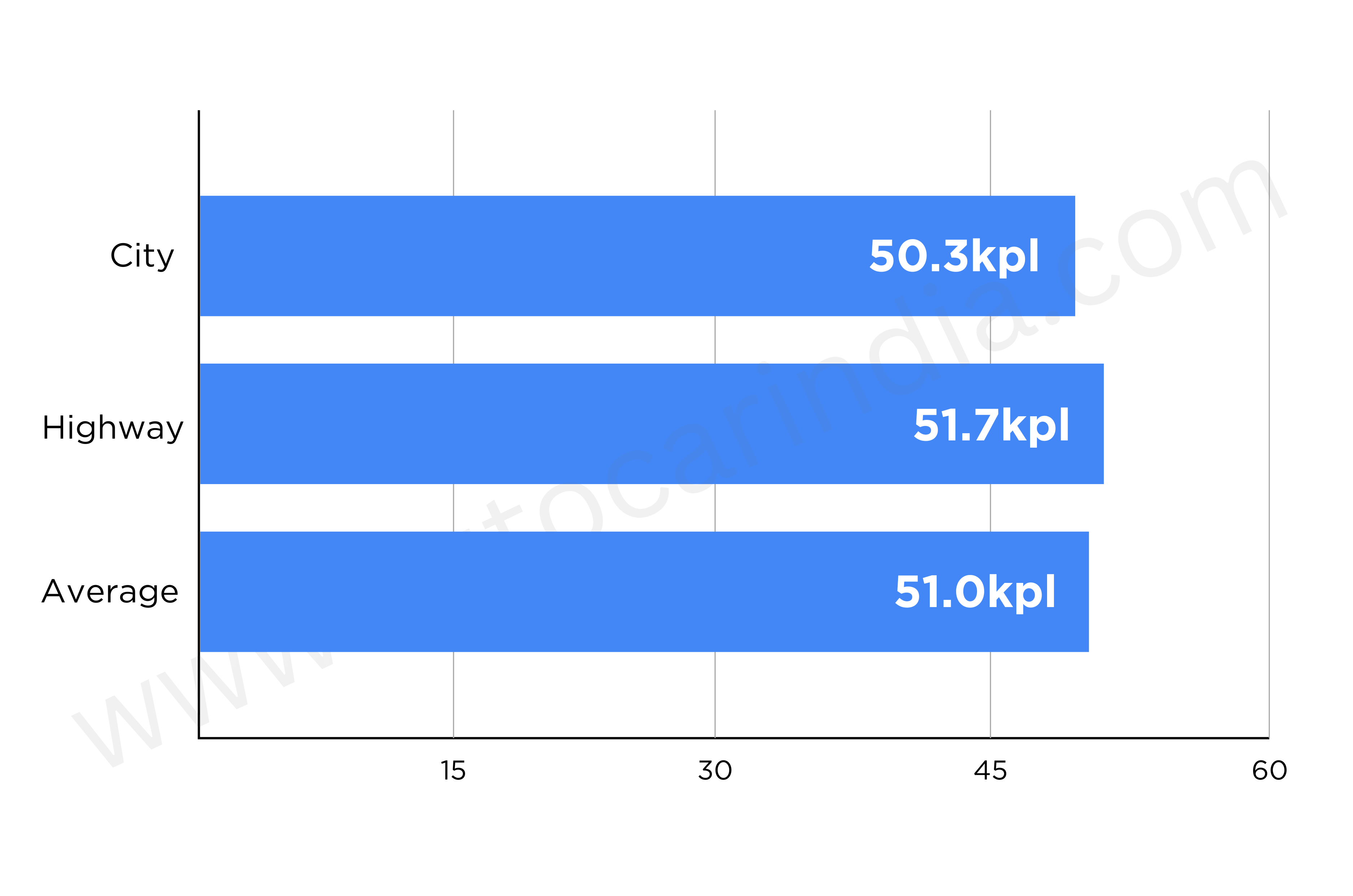
As is our policy, we first ran the neo-retro Yamaha XSR155 out on the highway for a little over 50km, after which it needed 1.1 litres of petrol for the tank to be brimmed again. Therefore, we arrived at a very respectable highway fuel economy of 51.7kpl.
Once that was completed, we headed to the traffic-riddled streets of South Mumbai, where we ran the XSR for a shade under 50km, after which it needed just 0.96 litres of petrol to top up the tank once more. Thus, we arrived at a great city fuel efficiency of 50.3kpl.
Yamaha XSR155 fuel economy analysis
XSR is the lightest liquid-cooled 155cc Yamaha motorcycle
The 155cc liquid-cooled Yamaha motorcycles have always had a reputation for being rather fuel efficient and it’s no surprise the XSR continues in that same vein. The XSR’s final drive gearing is the same as the MT-15 but at 137kg, it is 4 kilos lighter than its sharp-looking sibling, which is no doubt helping its great fuel efficiency.
Its 6-speed gearbox has well spaced gears which keep the engine in its sweet spot when cruising on the highway around the 80kph mark – the legal limit on the stretch where we conduct our tests – and this helps its case too.
Autocar India’s fuel-efficiency testing
Our fuel-efficiency testing routine starts by first brimming the tank and ensuring the bike is running the manufacturer’s recommended tyre pressures. The bike is then ridden on fixed city and highway routes, where we maintain average speeds that best mimic real-world scenarios as well as keeping speed limits in mind. The payload on the bikes is kept constant by balancing rider weights and ballast, ensuring consistency across different vehicles and riders. At the end of the test cycle, the fuel tank is once again filled to the brim, giving us an accurate figure of how much fuel has been consumed against the trip meter reading.